As parents, our deepest wish is often quite simple: we want our children to be happy. We want to see them smile, hear their laughter, and watch them approach the world with wonder and delight. However, true happiness in the early years goes beyond fleeting moments of joy. It is about building a foundation of emotional well-being, resilience, and security that will support them throughout their lives.
At Children’s Choice, we understand that happiness is not a constant state of euphoria, but rather a sense of belonging and confidence. It comes from knowing they are loved, understanding they can overcome challenges, and having the freedom to explore their environment. Fostering this kind of deep-seated happiness requires intention, patience, and a supportive community. In this guide, we will explore practical ways to nurture your child’s emotional health, creating a joyful environment where they can thrive both at home and in their early learning journey.
The Foundation of Happiness: Emotional Connections
The most critical factor in a child’s happiness is the quality of their relationships. Strong, secure emotional connections with parents, caregivers, and educators provide the safety net children need to explore the world. When a child feels securely attached, they are more likely to be confident, empathetic, and resilient.
Building this connection doesn’t require grand gestures. It happens in the quiet, everyday moments. It is found in active listening,getting down to their eye level, putting away distractions, and truly hearing what they have to say, whether it’s a story about a ladybug or a complaint about a scraped knee. Spending quality time together, free from the pressure of schedules, signals to your child that they are valued and worthy of attention. These deposits into their “emotional bank account” build a reserve of trust and happiness that they can draw upon when things get tough.
Creating a Positive Environment
Children are incredibly perceptive; they absorb the energy of the environments they inhabit. Creating a positive atmosphere involves more than just cheerful decor; it is about the mindset we model. While we cannot protect children from every disappointment, we can teach them how to frame their experiences constructively.
Encouraging a growth mindset is a powerful tool for happiness. Instead of praising intelligence (“You’re so smart”), praise effort and perseverance (“I love how hard you tried to solve that puzzle”). This shift helps children understand that challenges are opportunities to learn, not failures. When a child views a setback as a stepping stone rather than a roadblock, they remain happier and more motivated to keep trying. Reframing negative situations,”We can’t go to the park because of the rain, but now we can build a massive blanket fort”,teaches flexibility and optimism.
The Power of Play
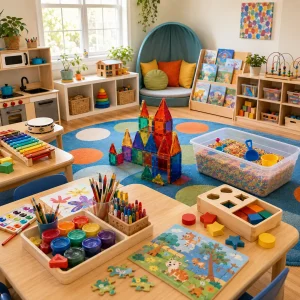
In our busy lives, we sometimes forget that play is the work of childhood. It is the primary way children make sense of the world, process their emotions, and develop social skills. Unstructured play is particularly vital for fostering happiness. Unlike organised sports or structured lessons, unstructured play allows children to follow their own curiosity and imagination.
When children direct their own play, they experience a sense of autonomy and control, which is deeply satisfying. Whether they are pretending to be astronauts, building complex block towers, or simply running around outside, they are developing creativity and problem-solving skills. Play also releases endorphins, the body’s natural “feel-good” chemicals. By prioritising playtime, you are directly prioritising your child’s mental health and joy.
Building Confidence and Self-Worth
A happy child is one who feels comfortable in their own skin. Building self-worth starts with validation. It is essential to acknowledge and validate your child’s feelings, even the difficult ones. When a child feels understood,”I can see you are frustrated that we have to leave”,they feel respected and safe. Dismissing feelings, even with good intentions (“Don’t cry, it’s not a big deal”), can lead to confusion and self-doubt.
Fostering a strong sense of self also involves encouraging independence. allowing children to make age-appropriate choices, like picking out their clothes or choosing a snack, builds confidence. When we trust them to manage small tasks, they learn to trust themselves. This self-assurance is a key component of long-term happiness, as it reduces anxiety and fosters a “can-do” attitude.
Healthy Habits for a Happy Child
Physical well-being and emotional happiness are deeply intertwined. A tired or hungry child is rarely a happy one. Establishing healthy habits is a practical way to support your child’s mood and development. This includes ensuring they get enough sleep, eat balanced meals, and engage in regular physical activity.
Movement is essential. Active play not only keeps bodies healthy but also regulates emotions. Furthermore, introducing simple mindfulness practices can help children manage stress. This could be as simple as taking three deep “balloon breaths” when they feel overwhelmed or noticing five things they can see and hear on a walk.
Finding the right environment for these habits is also crucial. For example, a leading childcare centre Raceview parents recommend will always integrate physical activity and nutritional education into their daily rhythm, ensuring that healthy habits formed at home are reinforced during care.
Setting Expectations and Boundaries
It might seem contradictory, but children are happiest when they have clear boundaries. Rules and routines provide a sense of predictability and safety. When a child knows what to expect, their anxiety decreases, and they feel more secure to explore within those safety limits.
Setting age-appropriate expectations is key. We cannot expect a toddler to have the impulse control of a ten-year-old. Boundaries should be firm but kind. It is about guiding behavior rather than controlling it. When searching for the best childcare centre Ipswich offers, look for educators who understand this balance,providing a structured environment that feels safe, yet flexible enough to accommodate the individual needs and emotions of each child.
Modelling Kindness and Compassion
Happiness is rarely a solitary pursuit; it is often found in our connection to others. Teaching children kindness, empathy, and gratitude can significantly boost their own well-being. When children perform acts of kindness, they experience a “helper’s high,” a rush of positive feelings.
Modelling this behavior is the most effective way to teach it. Let your children see you helping a neighbor, speaking kindly to service workers, and expressing gratitude for the good things in your life. This fosters a sense of social responsibility. Families looking for the best childcare centre Raceview has available often prioritise centres that embed these values into their curriculum, teaching children that their actions have a positive impact on the community around them.
Children’s Choice: Nurturing Happiness Through Play-Based Learning
At Children’s Choice, we believe that the early years should be filled with wonder, discovery, and joy. Our philosophy is grounded in the belief that happy children are better learners. We provide safe, nurturing childcare and play-based early learning that supports children’s development and school readiness.
Our educators are trained to build strong, secure attachments with every child, ensuring they feel seen and valued. We create environments that invite exploration and foster independence, allowing children to discover their passions. By integrating social-emotional learning with academic foundations, we help children develop the resilience and confidence they need to transition successfully to school and beyond. We don’t just watch children grow; we actively nurture the happiness that helps them bloom.
Fostering Lasting Happiness
Fostering happiness in early childhood is not about eliminating all difficulties or buying the most expensive toys. It is about presence, connection, and creating a supportive environment where children feel safe to be themselves. By focusing on emotional connections, encouraging play, establishing healthy boundaries, and modelling kindness, we lay the groundwork for a fulfilling life.
Remember, you don’t have to do it alone. Partnering with a supportive early learning provider like Children’s Choice ensures that the values of joy and well-being are consistent across your child’s world. Together, we can raise a generation of children who are not only ready for school but ready for a happy, healthy life.
Frequently Asked Questions
Why is play-based learning important for a child’s happiness?
Play is the natural language of children. Through play, children process emotions, build friendships, and experience the joy of discovery. Unlike rigid academic structures which can cause stress in early years, play-based learning fosters a love for education. It allows children to learn at their own pace, building confidence and autonomy, which are essential ingredients for true happiness.
How does Children’s Choice support emotional development?
Children’s Choice prioritizes emotional security above all else. Our educators are trained to practice active listening and emotion coaching. We create a “yes” environment where children’s feelings are validated. By helping children name their emotions and navigate social conflicts with empathy, we provide them with the emotional toolkit they need to maintain happiness and resilience in the face of challenges.
Can a structured routine really make my child happier?
Absolutely. While children love to play, the world can feel big and overwhelming to them. Predictable routines regarding meals, naps, and activities provide a safety framework. When children know what is coming next, their cortisol (stress) levels drop, and they feel safer. A leading childcare centre Raceview families trust will always have a consistent rhythm to the day, helping children feel secure and relaxed.
What should I look for in a centre to ensure my child will be happy?
Look for an environment where the educators are engaged on the floor with the children, not just supervising from afar. Observe if the children seem comfortable expressing themselves. You want a centre that balances safety with freedom of exploration. For example, a leading childcare centre Raceview parents love will have outdoor spaces that encourage physical play and indoor spaces that allow for quiet, creative focus.
How does Children’s Choice prepare children for school without adding pressure?
We believe school readiness is about more than just counting and ABCs; it is about social and emotional readiness. Children’s Choice integrates school preparation into everyday play. We foster skills like independence (opening their own lunchbox), social cooperation (taking turns), and emotional regulation. This approach builds a child’s confidence so they start school feeling excited and capable, rather than anxious.