Entrusting your child to the care of others is one of the most significant decisions a parent makes. It involves a leap of faith and a deep desire to ensure that your little one is safe, happy, and thriving while you are away. However, early learning is about much more than simply finding a place for your child to stay during the day; it is about finding a community that extends the warmth and values of your own home.
When parents and educators work together, the result is a powerful support system that enhances a child’s emotional security and developmental progress. This collaboration transforms a childcare centre from a service provider into a partner in raising your child. It ensures that the transition between home and care is seamless, allowing children to feel confident to explore, learn, and grow.
At Children’s Choice, we understand the weight of this trust. We believe that the foundation of exceptional care lies in the relationships we build with families. Children’s Choice provides safe, nurturing childcare and play-based early learning that supports children’s development and school readiness. By prioritizing the connection between home and our centres, we create an environment where every child feels seen, understood, and valued.
The Significance of Parent-Childcare Partnerships
Family engagement is a cornerstone of high-quality early childhood education. Research consistently shows that when parents are actively involved in their child’s early learning journey, the outcomes are overwhelmingly positive. Children demonstrate better social skills, higher emotional resilience, and an increased enthusiasm for learning. This partnership acts as a bridge, linking the two most important worlds in a child’s life: their family and their learning environment.
A collaborative approach means that educators and parents share insights, goals, and strategies. Educators bring their professional knowledge of child development, while parents bring their unique expertise on their own child’s personality, preferences, and history. When these two perspectives merge, the child benefits from a holistic approach to care that supports their wellbeing on every level.
How can you improve parent-childcare partnerships?
Building a strong partnership doesn’t happen overnight, but small, consistent actions make a big difference. It starts with viewing educators as allies rather than just service providers. Ask questions about your child’s day that go beyond “did they eat?” and inquire about who they played with or what captured their interest. Share details about what is happening at home, whether it’s a poor night’s sleep or a new fascination with dinosaurs. These details help educators tailor their care to meet your child’s immediate needs.
Children’s Choice – Prioritising Parent Childcare Partnerships
At Children’s Choice, we view families as the primary educators of their children. We actively seek to involve parents in our programs because we know that a connected community creates the best outcomes for children. We strive to make our centres a welcoming extension of your family, ensuring that your values and goals for your child are respected and integrated into our daily practice.
Communication: The Key to Strong Relationships
Open, honest, and regular communication is the heartbeat of any strong relationship, and the parent-educator bond is no exception. Effective communication ensures that everyone is on the same page regarding the child’s development, health, and happiness. It dispels anxiety and builds a layer of trust that comforts both the parent and the child.
Communication Strategies for a Strong Connection
To maintain a strong connection, utilize the various channels your centre offers. This might include:
- Daily Updates: meaningful conversations at drop-off and pick-up times allow for the exchange of vital information.
- Digital Platforms: Many centres use apps to share photos, observations, and updates on daily routines like meals and naps.
- Formal Meetings: Scheduled parent-teacher conversations provide a dedicated time to discuss long-term development goals and school readiness.
- Newsletters and Noticeboards: These keep you informed about centre-wide events, policy changes, and community news.
By engaging with these methods, you ensure that you are always an active participant in your child’s daily life, even when you cannot be there physically.
Creating a Consistent Environment
Children crave predictability. Knowing what to expect gives them a sense of control and safety in their world. When the environment at childcare mirrors the consistency found at home, children settle in faster and are more open to learning experiences.
How consistency benefits children
Consistency between home and care reduces confusion and anxiety. If a child knows that kindness is valued in both places, or that handwashing happens before meals in both places, they internalize these habits and values more deeply. Strategies to align routines include sharing your home schedule with educators so they can try to mirror nap times or comfort rituals. Similarly, adopting some of the positive guidance strategies used by educators at home can help manage behaviour effectively. This alignment creates a harmonious flow to the child’s day, reducing the stress of transitions.
Parental Involvement and Engagement
Being involved in your child’s care doesn’t necessarily mean spending hours at the centre every week. Engagement is about showing an interest and being present in the community in whatever way fits your lifestyle. When children see their parents interacting positively with their educators and peers, it signals to them that this is a safe and happy place to be.
How Parents Can Actively Participate in Childcare Activities
There are many ways to contribute to the childcare environment:
- Share Your Culture: If your family celebrates specific cultural festivals or speaks a language other than English, share this with the centre. It enriches the diversity of the program.
- Volunteer Skills: Do you play an instrument, garden, or have an interesting job? Visiting to share your skills can be a highlight for the children.
- Attend Events: Make an effort to attend morning teas, holiday celebrations, or working bees.
- Donate Resources: Recycled materials for craft or old books can be valuable resources for a centre.
Addressing Concerns and Building Trust
Even in the best partnerships, concerns or misunderstandings can arise. The strength of the relationship is defined by how these moments are handled. Approaching these conversations with a solution-focused mindset is essential.
The significance of empathy, transparency, and responsiveness
Building trust requires empathy from both sides. Parents need to feel that their worries are heard and validated, while educators need to feel respected for their professional judgement. Transparency is key; nothing erodes trust faster than feeling like information is being withheld. Whether it is an incident report or a behavioural concern, open dialogue is crucial. Responsiveness,acting on feedback and following through on agreed plans,demonstrates a commitment to the child’s best interests and solidifies the bond of trust.
Children’s Choice: A Partner in Your Child’s Development
We are dedicated to being more than just a childcare provider; we are partners in your child’s growth. Our philosophy is rooted in the belief that every child deserves the best start in life, and that starts with a supportive network around them.
Creating Safe Play-Based Learning Environment
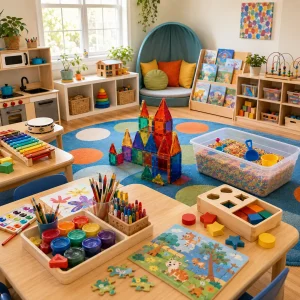
Our centres are designed to be safe havens where curiosity is encouraged. We focus on play-based learning because we know that children learn best when they are engaged and having fun. Whether you are searching for the best childcare centre Raceview has to offer, or a leading childcare centre Raceview families recommend, our commitment remains the same. We provide safe, nurturing childcare and play-based early learning that supports children’s development and school readiness. Our environments are intentionally set up to foster independence, social skills, and cognitive growth, preparing your child not just for school, but for life.
Nurturing Childcare Together
The connection between parents and childcare providers is the safety net that supports a child’s early years. It is a relationship built on mutual respect, shared goals, and a deep love for the child. When we work together, communicating openly and valuing each other’s roles, we create an environment where children can truly flourish. By choosing a partner like Children’s Choice, you are ensuring that your child receives not just education and care, but a nurturing extension of your own family unit.
FAQs
What makes a play-based learning approach so effective?
Play-based learning allows children to explore, experiment, and solve problems at their own pace. It fosters creativity and social skills naturally. At Children’s Choice, we use this method to help children develop critical thinking and emotional resilience in a joyful, low-pressure environment.
What should I look for in the best childcare centre Ipswich offers?
Look for a centre that prioritizes relationships. The best centres have warm, responsive educators who engage deeply with the children. Clean, stimulating environments and a clear curriculum for development are also key indicators of high-quality care that supports your child’s growth.
How does Children’s Choice handle separation anxiety?
We approach separation anxiety with patience and empathy. Children’s Choice educators work with you to create drop-off rituals that comfort your child. We provide extra cuddles and distraction through engaging play, and we keep you updated so you know exactly when your child has settled and is happy.
What defines a leading childcare centre Raceview families trust?
A leading centre is defined by its community reputation and staff retention. Families trust centres that offer consistent, high-quality care and transparent communication. A strong focus on safety, combined with a nurturing educational program, creates the trust essential for a leading local centre.
How can I help my child prepare for the transition to school?
School readiness is about more than reading and writing; it is about independence and social confidence. You can help by encouraging self-help skills like dressing and packing bags. We support this by integrating school-readiness activities into our daily play, building their confidence for the big step.