Receiving a phone call from daycare stating that your child has bitten one of their friends can be heart-stopping. Immediately, feelings of embarrassment, guilt, and worry flood in. You might wonder if this signals a behavioural issue or if you have done something wrong as a parent. Conversely, if your child comes home with a bite mark, you likely feel protective and concerned about their safety.
It is important to take a deep breath and remember: you are not alone. Biting is a surprisingly common, albeit distressing, part of early childhood development. It is rarely an act of malice; rather, it is often a clumsy attempt at communication or a reaction to big feelings.
At Children’s Choice, we understand that navigating these bumpy developmental stages requires patience and partnership. We provide safe, nurturing childcare and play-based early learning that supports children’s development and school readiness, which includes helping families manage complex behaviours like biting with empathy and expertise.
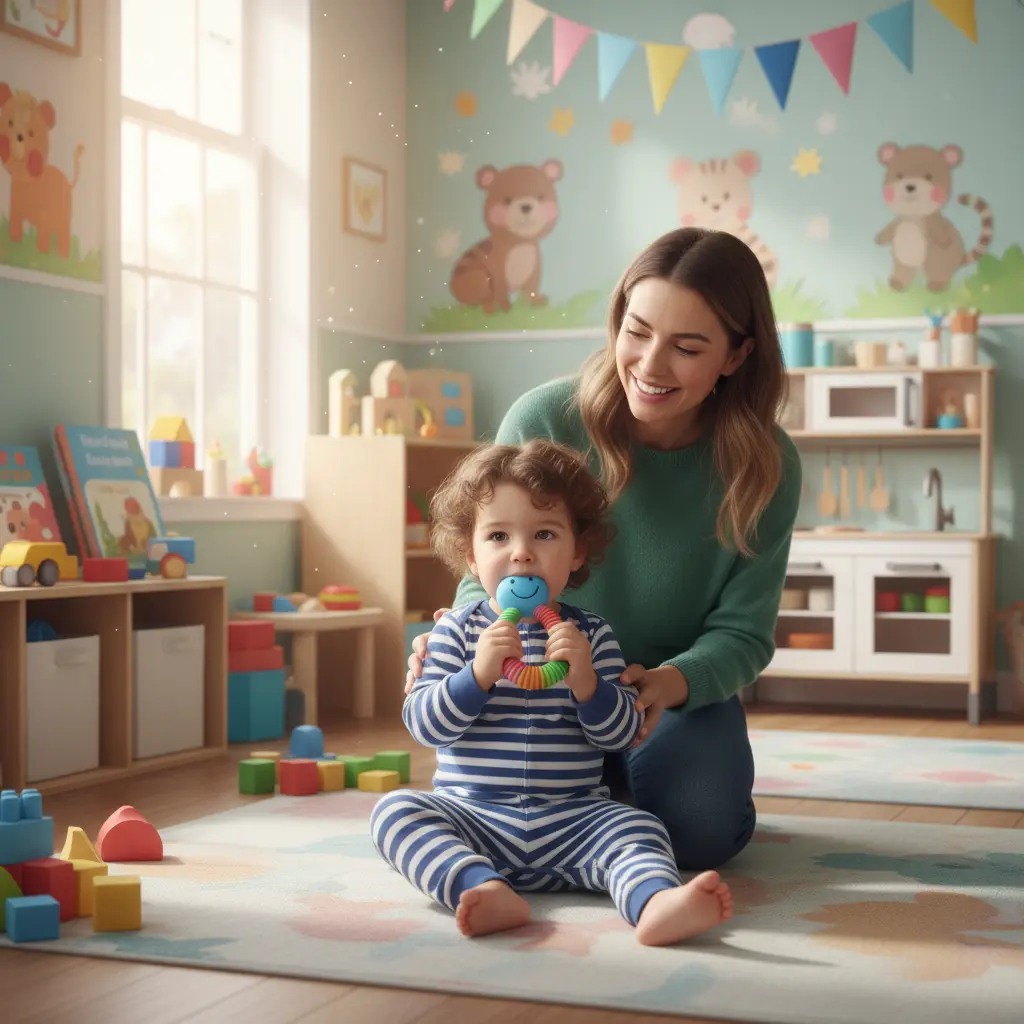
Common Reasons for Biting Behaviour
To manage biting, we first have to understand the motivation behind it. Toddlers do not have the impulse control or the vocabulary to say, “I am feeling overwhelmed,” or “I want that toy.” Instead, they act physically.
Here are some of the most common reasons biting occurs in early learning settings:
Communication and Frustration
Young children, particularly those under the age of three, are still developing their language skills. When they cannot express their needs or frustrations verbally, they may resort to biting to get a reaction or to defend their space. It is a quick, effective way to make something happen, even if the result is negative.
Sensory Exploration and Teething
For infants and younger toddlers, the mouth is a primary tool for exploring the world. Biting can sometimes be an experiment in cause and effect, “What happens when I do this?” Additionally, the discomfort of teething can lead children to bite on objects, and occasionally, other people, to relieve gum pressure.
Overstimulation
Childcare environments are busy, vibrant places. Sometimes, the noise, lights, and social interactions can become too much for a developing nervous system. When a child feels overwhelmed or overstimulated, biting can occur as a “fight or flight” reaction, a way to create space or express that they have reached their limit.
Strategies for Managing Biting: The Sigh, See, Start Framework
When biting becomes a concern, having a consistent strategy helps both educators and parents respond effectively. A helpful approach recommended by paediatric experts is the “Sigh, See, Start” framework. This method focuses on co-regulation, calming yourself so you can help calm the child.
Sigh
Before reacting, take a deep breath. Let it out slowly. This helps you manage your own stress response. Children are highly attuned to adult emotions; if you are frantic or angry, it can escalate their distress. By calming your own body, you model emotional regulation for the child.
See
Take a moment to observe the situation. Look for the “why.” Was the child defending a toy? Do they look tired? Is the environment chaotic? “Seeing” the child means looking past the behaviour to the underlying need. This helps move away from labeling the child as “bad” and toward understanding the trigger.
Start
Once you are calm and have observed the context, you can intervene.
- If the child is overwhelmed: Focus on connection. Speak calmly, offer a hug if they are receptive, or move them to a quiet space to settle down.
- If the child was testing limits: Calmly set a boundary. Get down to their level and firmly, but gently, say, “No biting. Biting hurts.” Keep the instruction simple; toddlers cannot process long lectures about empathy in the heat of the moment.
Creating a Supportive Environment
Prevention is always better than cure. In a high-quality early learning environment, educators structure the day and the space to minimise triggers for biting.
This involves ensuring there are enough resources so children don’t feel the need to fiercely guard toys. It also means creating “quiet corners” where children can retreat if they feel the room is getting too loud or busy. By recognising the signs of a child who is becoming dysregulated, such as becoming withdrawing or acting wildly,educators can step in and redirect them to a calming activity before a bite occurs.
Children’s Choice Approach to Biting Behaviour
At Children’s Choice, we view biting as a developmental hurdle, not a character flaw. We do not label children as “biters,” as negative labels can be damaging and unhelpful. Instead, we focus on supportive guidance.
Our approach involves strict supervision and “shadowing” children who may be going through a biting phase, allowing us to intervene before an incident happens. We focus on positive reinforcement when the child plays gently and uses their words. Most importantly, we maintain open, non-judgmental communication with families. We work together to identify triggers, whether it is a lack of sleep, a new sibling at home, or teething,and create a consistent plan between home and the centre.
Finding the Right Support for Your Family
Choosing the right childcare centre is crucial when dealing with developmental challenges. You need a team that is experienced, patient, and capable of handling these behaviours with care.
Best Childcare Centre Raceview and Heritage Park
If you are located in the Raceview area, you might be searching for the best childcare centre Raceview has to offer. Parents here need educators who are trained to look for the root causes of behaviour rather than simply punishing the child. Similarly, families further south looking for the best childcare centre Heritage Park provides should look for environments that prioritise emotional safety and open communication with parents.
Leading Childcare Centre Raceview and Heritage Park
When you choose a leading childcare centre Raceview or a leading childcare centre Heritage Park, you are choosing a partner in your child’s development. Leading centres invest in professional development, ensuring their staff understand the neuroscience behind toddler behaviour. They know that a child who bites is often a child who is struggling to cope, and they have the tools to help that child learn better ways to express themselves.
Best Childcare Centre Ipswich
For families across the broader region, finding the best childcare centre Ipswich means finding a place where your child is understood. It means looking for a service that provides nurturing, play-based learning that supports children’s development and school readiness, ensuring every child feels secure enough to learn and grow out of these challenging phases.
Partnering for Your Child’s Success
Biting is a phase that eventually passes as children develop better language skills and impulse control. However, how the adults around them respond makes a significant difference in how quickly they move through it.
By staying calm, observing triggers, and maintaining a consistent, caring approach, we can help children learn to manage their big feelings without hurting others. At Children’s Choice, we are committed to walking this path with you, ensuring your child feels safe, loved, and supported every step of the way.
FAQs
What should I do if my child is bitten at daycare?
First, comfort your child. Trust that the educators have handled the situation and applied first aid. Avoid blaming the other child or their parents; remember that toddlers are still learning impulse control. Ask the centre about their strategies to prevent future incidents.
What are the common reasons for biting in childcare settings?
Biting is often a result of limited communication skills. Toddlers may bite because they are teething, overstimulated, frustrated, or simply exploring cause and effect. It is rarely malicious and is often a sign that the child is overwhelmed or cannot express a need verbally.
How does Children’s Choice handle biting incidents?
Children’s Choice uses a supportive, non-punitive approach. We focus on prevention by shadowing children who are prone to biting and identifying their triggers. We do not use negative labels. Instead, we redirect behaviour and work in close partnership with families to support the child’s emotional growth.
What strategies can parents and educators use to prevent biting?
Consistency is key. Use the “Sigh, See, Start” method to stay calm and co-regulate with the child. Ensure the child has enough personal space and isn’t overstimulated. At Children’s Choice, we also encourage parents to praise gentle behaviour to reinforce positive social interactions.
How can I support my child’s emotional development to reduce biting?
Help your child label their emotions. When they are calm, read books about feelings. If they are frustrated, say, “I see you are mad,” offering them words (or signs) to use instead of biting helps bridge the gap between their feelings and their ability to communicate them.