Dropping your little one off at care can feel like a huge step for any parent. You entrust the most important person in your world to someone else, hoping they will be safe, happy, and loved. It is natural to wonder who these people are and what role they actually play in your child’s life. Are they just supervising, or is there something deeper happening?
The truth is, early childhood educators are much more than supervisors. They are your child’s first teachers outside the home, acting as partners in raising confident and capable children. They are the architects of the environment where your child learns to make friends, solve problems, and understand the world.
At Children’s Choice, we understand the weight of this responsibility. Children’s Choice provides safe, nurturing childcare and play-based early learning that supports children’s development and school readiness. In this guide, we will explore the vital role educators play and how their influence shapes your child’s future.
Key Responsibilities of Childcare Educators
The role of an educator is diverse and skilled. While it might look like simple fun and games from the outside, there is intentionality behind every interaction. Educators are trained to balance care with education, ensuring every child’s needs are met.
Creating a Safe and Nurturing Environment
Before any learning can happen, a child must feel safe. Educators are responsible for creating a “home away from home” where children feel secure enough to explore. This goes beyond physical safety, though that is paramount,to emotional safety. By building strong, trusting relationships, educators help children feel valued and understood. When a child knows they have a secure base to return to, they are more confident to try new things.
Designing and Implementing Learning Programs
Educators observe each child to understand their unique interests and developmental stage. They then design learning programs that cater to these specific needs. This isn’t about rote learning; it is about creating opportunities. If a child loves dinosaurs, an educator might set up a sensory bin with fossils to encourage fine motor skills and curiosity. These tailored programs ensure that every child is challenged just enough to grow.
Facilitating Social and Emotional Development
One of the biggest benefits of childcare is socialisation. However, children don’t automatically know how to share or manage big feelings. Educators are essential coaches in this area. They model kindness, help navigate conflicts between friends, and teach children how to identify their emotions. These early lessons in empathy and resilience are foundational life skills.
The Impact on Academic Readiness
While we often focus on the social side of care, educators also lay the groundwork for future academic success. They introduce concepts that make the transition to formal schooling much smoother.
Language and Literacy Skills
Educators bathe children in language throughout the day. Through storytelling, singing songs, and simple conversations, they expand your child’s vocabulary. They ask open-ended questions that encourage children to think and speak in sentences. This rich language environment is crucial for literacy development, helping children understand the structure of sounds and words long before they pick up a pencil.
Cognitive Development
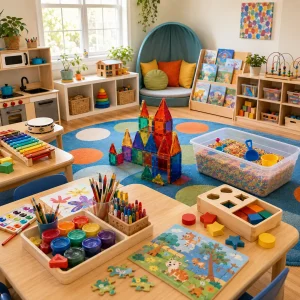
Early learning environments are full of puzzles, building blocks, and sorting games. Educators use these tools to teach problem-solving and logic. When an educator sits with a child and helps them figure out why a tower keeps falling, they are teaching physics, maths, and perseverance all at once.
School Readiness
School readiness is about more than writing a name or counting to ten. It is about independence. Educators support children in learning to open their own lunchboxes, put on their shoes, and follow multi-step instructions. These practical skills give children the confidence to walk into a prep classroom ready to learn.
The Importance of Play-Based Learning
You might hear the term “play-based learning” often. It is the gold standard in Australian early childhood education. But why is it so important?
For young children, play is work. It is how they process the world. Educators act as facilitators of play. They might set up a pretend grocery store, not just for fun, but to teach concepts of money, food groups, and social roles. By engaging in play, children are motivated to learn because it is enjoyable. Educators know exactly when to step in to extend the learning and when to step back and let the child lead.
Children’s Choice: Setting the Standard in Childcare
Choosing the right centre often comes down to the quality of the educators. You want a team that is passionate, qualified, and genuinely cares about your family.
Whether you are searching for the Best childcare centre Raceview has to offer, the standard of education provided is what makes the difference. At Children’s Choice, our educators are selected for their dedication to early learning. We believe that high-quality educators are the heart of a high-quality service. They are the ones who turn a building into a community and a routine into an adventure.
Addressing Common Misconceptions
There is a long-standing myth that childcare is simply “babysitting.” This undervalues the qualifications and skills required to be an educator. Modern early childhood educators hold certificates, diplomas, or university degrees in early childhood education. They study child psychology, health, and curriculum planning.
Another misconception is that educators are just there to watch the children play. In reality, they are constantly documenting learning, planning future activities, and assessing development. They are professionals who are deeply invested in the growth of every child in their care.
The Enduring Value of Childcare Educators
The impact of a great educator lasts a lifetime. They are the ones who wipe away tears, celebrate the first time a child writes their name, and offer a reassuring smile to nervous parents. They build the foundation for a love of learning that your child will carry into school and beyond.
At Children’s Choice, we are proud of our team and the incredible work they do every day. By partnering with families, our educators ensure that every child is given the best possible start in life. When you choose a centre with dedicated professionals, you aren’t just finding care; you are finding a community that champions your child’s potential.
Frequently Asked Questions
Do childcare educators need specific qualifications?
Yes. In Australia, educators must hold or be actively working towards an approved qualification. This ranges from a Certificate III in Early Childhood Education and Care to a University Degree for Early Childhood Teachers, ensuring expert care.
How do educators support children with additional needs?
Educators work closely with families and specialists to create inclusion plans. They adapt the environment and activities to ensure every child can participate fully. At Children’s Choice, we focus on the unique strengths of every child to support their journey.
What role do educators play in identifying developmental delays?
Because educators observe your child daily, they are often the first to notice if a milestone is missed. They document development carefully and can have gentle, supportive conversations with parents to recommend further professional assessment if needed.
How does Children’s Choice ensure a safe environment?
Children’s Choice follows strict safety protocols and National Regulations. Our educators conduct daily safety checks, supervise actively, and hold current First Aid and CPR certifications to ensure your child is always protected while they learn.
How can parents support their child’s learning at Children’s Choice?
Communication is key. Share your child’s interests with us so we can incorporate them into the program. engaging with the daily updates and continuing the learning at home,like reading a book we read in class,helps bridge the gap between home and care.