It’s Saturday morning, and across Australia, parks are filled with the sounds of whistles blowing, parents cheering, and children chasing a black and white ball. Soccer is one of the most popular sports for kids in our country, and for good reason. It’s more than just a way to burn off energy; it’s a powerful tool for holistic development.
For many parents, signing a child up for sport is about fitness or making friends. But the benefits extend far deeper. Engaging in team sports like soccer nurtures physical health, sharpens young minds, and builds the emotional resilience children need as they grow. It offers a unique environment where physical activity meets social learning, creating a foundation for a happy, healthy childhood.
At Children’s Choice, we believe in the power of play to shape a child’s future. Our philosophy centers on providing safe, nurturing childcare and play-based early learning that supports children’s development and school readiness. Whether on the field or in the classroom, we know that children learn best when they are moving, interacting, and having fun. In this guide, we will explore how a simple game of soccer can help your child develop the skills they need for life.
Physical Health Benefits
In an age where screens compete for our children’s attention, finding activities that get them moving is vital. Soccer is fantastic because it provides a full-body workout that feels like play rather than exercise.
Cardiovascular Health
Soccer is a game of constant movement. Whether they are dribbling the ball, running back to defend, or jogging into position, children are engaging in aerobic activity. This strengthens the heart and lungs, improves circulation, and helps establish healthy habits that can reduce the risk of health issues later in life.
Motor Skill Development
For younger children, learning to control their body is a major developmental milestone. Soccer requires coordination between the eyes and feet,a complex skill for a developing brain. As they practice dribbling, kicking, and stopping the ball, they are refining their gross motor skills, balance, and agility. These skills are transferable, helping them with everyday movements and other physical activities.
Building Strength and Endurance
While it might look like just running around, the stop-start nature of soccer builds muscular strength, particularly in the legs and core. Over time, regular play increases endurance, meaning your child will have more energy for their daily adventures, whether that’s at school, at home, or at their local childcare centre.
Cognitive Development Benefits
You might not associate running around a field with brain training, but soccer is surprisingly cerebral. It requires quick thinking and constant awareness, which helps sharpen cognitive abilities.
Enhances Concentration and Memory
To play the game, children need to remember the rules, recall strategies, and track the position of the ball and other players. This exercise in focus strengthens their attention span,a skill that translates directly to the classroom environment.
Improves Problem-Solving Abilities
Soccer is dynamic; the situation on the field changes every second. Children constantly have to decide: Should I pass or shoot? Is there a gap in the defense? Where is my teammate running? Making these split-second decisions nurtures critical thinking and adaptability.
Stimulates Critical Thinking
Understanding the flow of the game requires spatial awareness and anticipation. Children learn to predict where the ball is going next, rather than just reacting to where it is now. This forward-thinking approach encourages a mindset of planning and strategy.
Social and Emotional Benefits
The playground and the sports field are often where children learn their most important social lessons. Soccer provides a structured yet emotionally rich environment to navigate relationships.
Teaches Teamwork and Cooperation
There is no “I” in team, and soccer reinforces this beautifully. Children quickly learn that they cannot win alone; they must pass the ball and trust their teammates. This fosters a sense of community and teaches the value of working together toward a shared goal, a crucial skill for school and future relationships.
Develops Communication Skills
On the field, communication is key. Children learn to call for the ball, offer encouragement, and listen to their coach. These interactions help them develop verbal and non-verbal communication skills, teaching them how to express their needs and listen to others respectfully.
Builds Resilience and Mental Toughness
Sport teaches us how to win with grace and lose with dignity. Missing a goal or losing a match can be disappointing, but it teaches resilience. Children learn that setbacks are temporary and that improvement comes with practice. This “growth mindset” helps them handle challenges in other areas of life with confidence.
Soccer and Academic Performance
It is a common worry for parents that extracurricular activities might distract from schoolwork. However, research often suggests the opposite: active children tend to be better learners.
Discipline and Work Ethic
Attending training regularly and listening to a coach requires discipline. Children learn that showing up and putting in the effort leads to improvement. This work ethic often spills over into their academic life, where they apply the same dedication to learning new subjects.
Time Management Skills
Balancing school, homework, family time, and sport introduces children to the concept of time management. With your guidance, they learn to structure their day, ensuring they have time for both their responsibilities and their passions.
Children’s Choice: Nurturing Development Through Play
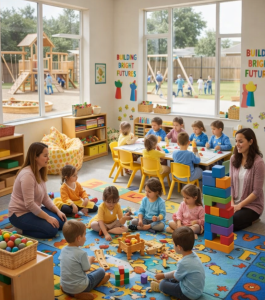
At Children’s Choice, we understand that children learn instinctively through play. We incorporate physical activities and movement into our daily programs because we know how essential they are for healthy development.
Our approach focuses on play-based learning and holistic development. This means we look at the whole child,their physical, emotional, social, and cognitive needs. While we may not run a professional soccer league, the fundamental skills of the game,running, coordination, teamwork, and fair play,are woven into our outdoor play sessions. We provide spaces where children can run freely, engage in ball games, and learn to interact with their peers in a supportive, safe environment.
Addressing Concerns and Misconceptions
It is natural for parents to have questions before starting a new sport. Here is a reassuring look at some common concerns.
Injury Prevention in Soccer
Safety is always a priority. Fortunately, soccer is generally a low-contact sport for young children. Most youth leagues emphasize safety rules and proper technique to minimize risks. Ensuring your child has the right gear, such as shin guards and appropriate footwear, further enhances their safety.
Balancing Soccer with Other Activities
Overscheduling can be stressful for both parents and children. The key is balance. Start slow, perhaps with one practice and one game a week. Listen to your child; sport should be a source of joy, not stress. If they are having fun and still have time for unstructured play and rest, you have found the right balance.
Why Choose Children’s Choice for Your Child’s Development?
Choosing the right environment for your child’s early years is one of the biggest decisions you will make. You want a place that feels like a home away from home,a place that values their growth as much as you do.
Safe and Nurturing Environment
At Children’s Choice, safety and care are our foundation. We create warm, welcoming spaces where every child feels secure enough to explore, take risks, and learn.
Play-Based Early Learning
We believe childhood should be filled with wonder. Our curriculum is built around play, allowing children to follow their interests while educators guide their learning. This approach ensures they develop a genuine love for learning.
Support for School Readiness
Our goal is to prepare your child not just for school, but for life. By focusing on social skills, emotional regulation, and physical development, we ensure they walk into their first day of school with confidence. If you are looking for the Best childcare centre Raceview or the Best childcare centre Heritage park, we are here to support your family’s journey.
Children’s Choice
Whether it is scoring a goal on the soccer pitch or mastering a puzzle in the classroom, every achievement builds your child’s confidence. Soccer offers a wonderful blend of physical activity and life lessons, helping children grow into healthy, resilient, and collaborative individuals.
At Children’s Choice, we are committed to walking alongside you in this journey. We provide safe, nurturing childcare and play-based early learning that supports children’s development and school readiness. By encouraging active play and fostering a supportive community, we help your child unlock their full potential.
Frequently Asked Questions
Is soccer safe for young children?
Yes, soccer is generally considered very safe for young children. Introductory programs focus on fun, basic skills, and coordination rather than contact or competition. Using age-appropriate equipment (like smaller balls and shin guards) and playing on grass surfaces helps keep the risk of injury very low.
How does soccer help with cognitive development?
Soccer is a fast-paced game that acts as a workout for the brain. It requires children to make quick decisions, anticipate the movement of the ball, and understand spatial relationships between players. This stimulates neural pathways related to problem-solving, concentration, and strategy, which can support learning in the classroom.
Does Children’s Choice incorporate soccer into its curriculum?
At Children’s Choice, we focus on play-based learning and holistic development. While we may not have formal soccer training, we incorporate fundamental movement skills and ball games into our outdoor play programs. We encourage activities that build coordination, teamwork, and gross motor skills, which align perfectly with the developmental benefits of soccer.
What age is appropriate to start soccer?
Many community programs offer “toddler soccer” or introduction classes for children as young as two or three years old. At this age, the focus is entirely on fun, following simple instructions, and basic coordination. However, organized team play usually begins around age five or six. It is never too early to start kicking a ball around in the backyard!
Can soccer improve my child’s academic performance?
Surprisingly, yes. Physical activity increases blood flow to the brain, which can improve focus and memory. Furthermore, the discipline required for training,listening to a coach, practicing skills, and managing time,often translates into better work habits at school.