Navigating the early years of your child’s education can feel like learning a new language. You hear terms like “preschool,” “kindy,” “early learning,” and “school readiness” tossed around, often interchangeably. If you are finding it difficult to pinpoint exactly where one stage ends and the next begins, you are certainly not alone.
Understanding the difference between preschool and kindergarten is one of the most common queries we hear from parents. In Australia, these terms can sometimes blur depending on your state or territory, but the core distinction lies in the developmental focus and the structure of the day. Is it just about play? When does “real” learning start? And most importantly, which environment is right for your child right now?
This guide will walk you through the key differences between preschool and kindergarten, helping you understand how each stage supports your child’s unique developmental journey. At Children’s Choice, we believe that whether your child is exploring in preschool or preparing for school in kindergarten, the goal remains the same: fostering a lifelong love of learning.
What is Preschool?
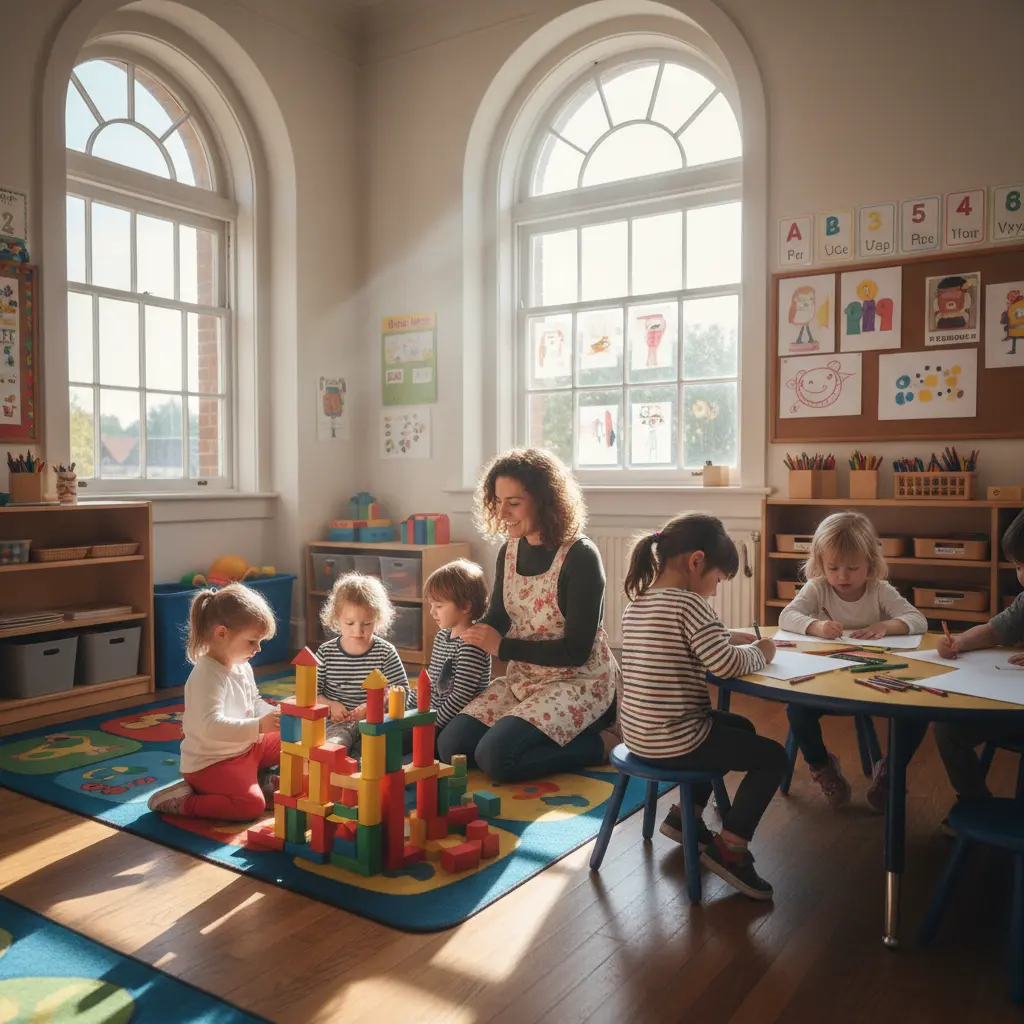
Preschool is often the first step a child takes into the world of education outside the home. It is a time of immense discovery, where the primary goal is not academic drilling, but rather social and emotional development.
A Foundation of Social Interaction
In an Australian context, preschool programs generally cater to children aged between 3 and 5 years old. The environment is designed to be warm, welcoming, and flexible. Here, children learn the “soft skills” that form the bedrock of their future interactions. They learn how to share toys, how to take turns, how to express their feelings with words, and how to make friends.
Learning Through Play
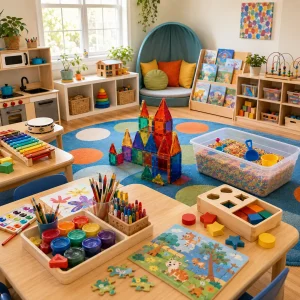
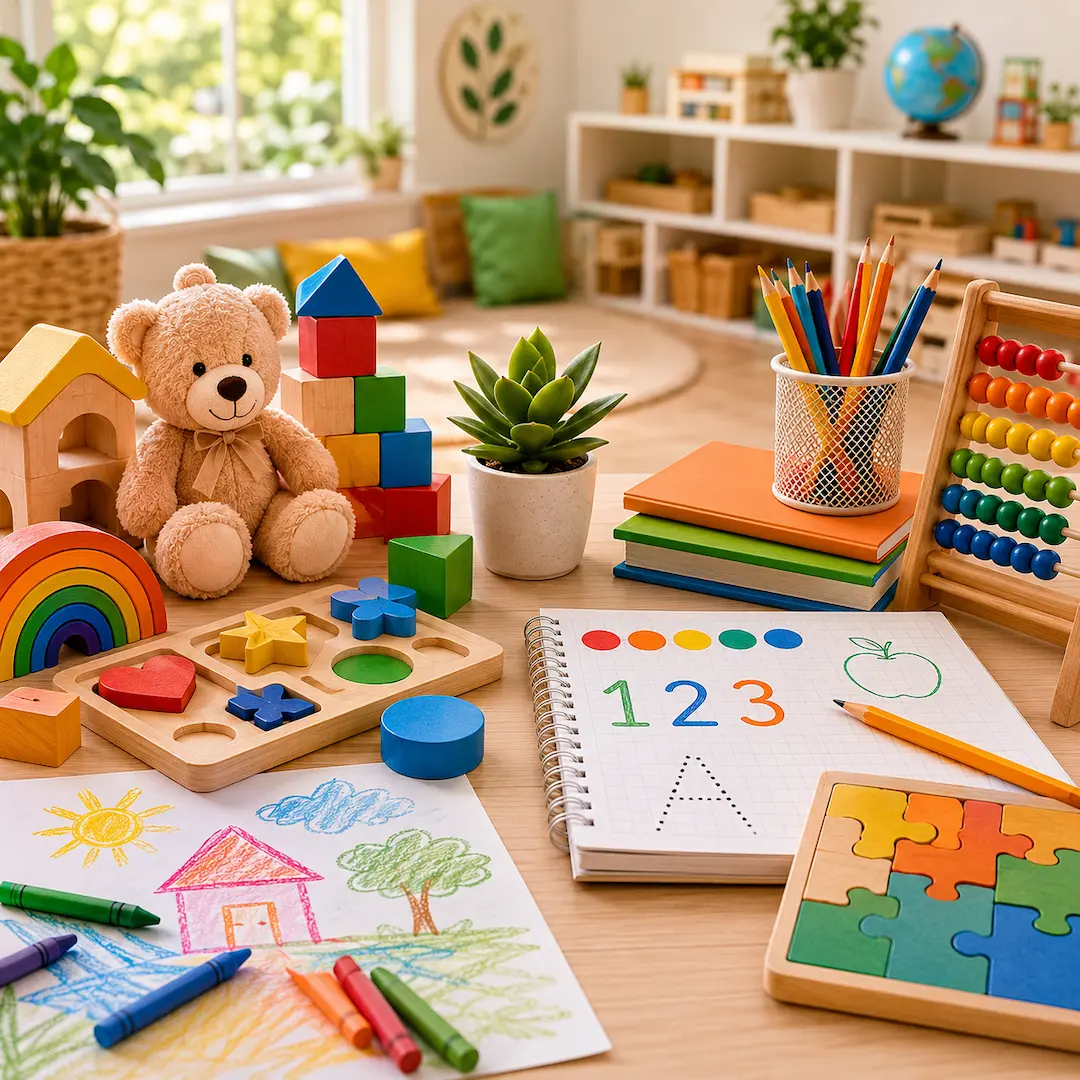
The curriculum in preschool is predominantly play-based. To an observer, it might look like children are “just playing” with blocks, dressing up, or digging in the sandpit. However, this is where deep learning happens. Through play, children develop problem-solving skills, creativity, and fine motor skills. For example, threading beads helps with hand-eye coordination (needed later for writing), while role-playing in a pretend kitchen fosters language development and empathy.
At Children’s Choice, our preschool programs are centred around this philosophy. We know that young children learn best when they are engaged, happy, and following their own curiosity.
What is Kindergarten?
In many parts of Australia, “Kindergarten” (often called “Kindy” or “Pre-Prep” depending on your state) refers to the year immediately preceding primary school. It serves as a vital bridge between the unstructured play of early childhood and the more formal environment of school.
Transitioning to Structure
Kindergarten programs typically target children aged 4 to 6 years. While play remains a central component, the day often includes more structured activities designed to prepare children for the rhythm of a school day. This might involve longer group times, more focused project work, and routines that encourage independence, such as looking after their own belongings.
Literacy, Numeracy, and Inquiry
While we don’t expect kindergarteners to be reading novels, the focus shifts slightly towards early literacy and numeracy concepts. Children might engage in activities that help them recognize sounds and letters, count objects with purpose, and explore patterns. They also begin to develop the social maturity required for school, such as listening to instructions, focusing on a task for a longer period, and working collaboratively in groups.
Key Differences Between Preschool and Kindergarten
To help you visualize the distinction, it is helpful to look at a few specific areas where these two stages differ.
Curriculum: Play-Based vs. Academic Readiness
- Preschool: The curriculum is emergent, meaning it often follows the children’s interests. If the class is fascinated by bugs, the week’s learning might revolve around insects. The focus is on exploration and sensory experiences.
- Kindergarten: While still play-based, the curriculum is more intentional regarding school readiness outcomes. Educators plan activities that specifically target skills needed for the Australian school curriculum, such as recognizing their name or understanding basic mathematical concepts.
Structure: Flexible vs. Structured
- Preschool: Routines are fluid. Meals and naps might happen according to the child’s needs or in small groups. Transitions are gentle and unhurried.
- Kindergarten: The day follows a more predictable schedule similar to school. There are set times for eating, group learning, outdoor play, and rest. This helps children adapt to the concept of a timetable.
Teacher Qualifications
- Preschool: Led by qualified early childhood educators who specialize in the development of toddlers and young children.
- Kindergarten: In Australia, approved kindergarten programs are delivered by degree-qualified Early Childhood Teachers (ECTs). These teachers have specific training in bridging the gap between early learning and primary education.
Schedule options
- Preschool: Often offered within long day care settings, providing flexibility for working parents with hours ranging from early morning to late afternoon, year-round.
- Kindergarten: Can be offered in long day care (like Children’s Choice) or as sessional programs that run during school hours and school terms only.
Children’s Choice: Bridging the Gap
At Children’s Choice, we understand that the transition from preschool to kindergarten should not be a leap, but a gentle step. We integrate the best of both worlds to ensure your child feels supported at every stage.
Our programs are designed to be fluid. We use play-based learning as the vehicle for education in both preschool and kindergarten, but we adjust the complexity and structure as your child grows. In our preschool rooms, you will see nurturing care and sensory exploration. As children move into our kindergarten program, you will see those same children taking on more responsibility, engaging in complex projects, and building the confidence they need to walk through the school gates on their first day.
Children’s Choice provides safe, nurturing childcare and play-based early learning that supports children’s development and school readiness. We ensure that no matter the age group, the environment is supportive and responsive to your child’s needs.
Making the Right Choice
Deciding when to move your child to the next stage is a personal decision that depends on more than just their birth date.
Consider Development and Temperament
Is your child ready for more structure? Do they crave social interaction with peers? Every child develops at their own pace. Some three-year-olds are ready for complex group play, while some four-year-olds still need the comfort of a smaller, quieter preschool environment.
Parental Involvement
Communication is key. Talk to your centre director or lead educator. They see your child in a learning environment every day and can offer valuable insights into their readiness. At Children’s Choice, we view parents as partners. We encourage open dialogue to ensure we are meeting your child where they are.
Why Choose Children’s Choice for Early Learning?
Choosing the right childcare centre is a significant decision for parents. You want to know that your child is safe, happy, and learning every day. Whether you are looking for the Best childcare centre Raceview, the quality of care remains our top priority.
Children’s Choice excels in providing a holistic approach. We don’t just focus on A’s, B’s, and C’s; we focus on resilience, kindness, and curiosity. Our play-based early learning approach sets children up for success in school and beyond by fostering a genuine love for discovery.
Ultimately, Children’s Choice provides safe, nurturing childcare and play-based early learning that supports children’s development and school readiness.
Investing in Your Child’s Future with Children’s Choice
Early childhood education is about more than just preparation for the next step; it is about celebrating the wonder of childhood right now. By understanding the differences between preschool and kindergarten, you can feel confident that you are providing the right support for your child’s current developmental stage.
At Children’s Choice, we are honoured to be part of that journey with you.
FAQs
What is the ideal age for starting preschool at Children’s Choice?
There is no single “perfect” age, as every child is different. However, many children start a preschool program around age 3. This is when social curiosity often peaks, and children begin to benefit significantly from peer interaction. At Children’s Choice, we offer programs for various age groups to ensure that whenever you choose to start, the environment is developmentally appropriate.
How does kindergarten prepare children for primary school?
Kindergarten prepares children by introducing the routines and social expectations of school in a low-pressure environment. Children learn to follow multi-step instructions, manage their own belongings, interact respectfully with peers, and engage in focused learning tasks. This social and emotional readiness is often more important for a smooth school transition than academic skills like reading.
What are the key social skills learned in preschool?
Preschool is the training ground for social life. Key skills include cooperation (working together to build a tower), negotiation (deciding who gets to be the doctor in role-play), empathy (comforting a friend who is sad), and conflict resolution. These skills help children build and maintain friendships, which is crucial for their emotional well-being.
Does Children’s Choice offer programs for both preschool and kindergarten-aged children?
Yes, we do. Children’s Choice provides safe, nurturing childcare and play-based early learning that supports children’s development and school readiness. We offer a seamless progression from our early learning rooms right through to our approved kindergarten programs. This allows your child to stay in a familiar, comforting environment with educators they trust as they grow and transition between stages.
How do I choose between preschool and kindergarten?
In Australia, this is often determined by age and state regulations regarding school starting ages. Generally, preschool is for 3-4 year-olds, and kindergarten is for the year before school (4-5 year olds). However, if you feel your child is on the cusp or you are unsure about their readiness, the best approach is to speak with an early childhood professional. If you are looking for a Leading childcare centre Raceview, our educators can assess your child’s development and recommend the best program placement.