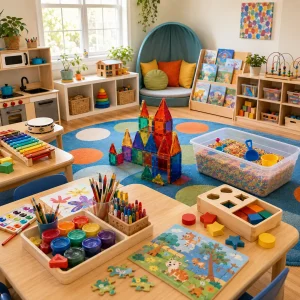
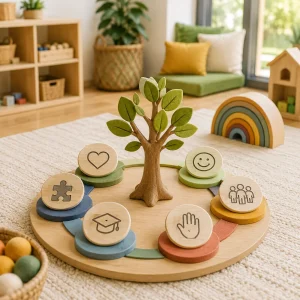
The benefits of play-based learning include stronger problem-solving, language, social and emotional skills, motor skills, creativity, confidence and school readiness.
Regents Park families choose early learning programs for school readiness, social and emotional skills, a love of learning, confidence, routine and local, subsidised access.
Before enrolling in Ipswich, ask about your Child Care Subsidy eligibility, your subsidy rate, your subsidised hours, applying, and your out-of-pocket cost.
Raceview parents should look for qualified educators, a strong NQS rating, play-based learning, a safe environment, good meals, convenient hours and fair fees.
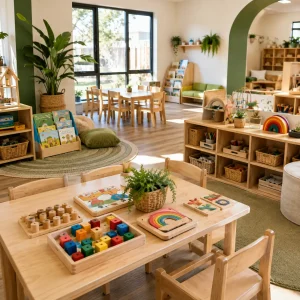
Signs of a quality early learning centre in Raceview include consistent educators, a strong NQS rating, play-based learning, a calm environment and happy children.
Raceview families love play-based early learning because it builds confidence, curiosity, social skills, thinking and school readiness the way young children learn best.
Educators support children's wellbeing across a long care day through responsive, consistent relationships, reading each child's cues and adapting care from morning to evening.
Calm evening routines support a child's emotional wellbeing by giving them predictability and security, which helps them regulate feelings and feel safe.
Childcare for parents working non-standard hours in Australia means extended hours care (typically 6am to 8pm) that fits shifts, backed by the Child Care Subsidy.
Raceview parents working non-standard hours can use extended hours childcare (6am to 8pm), which covers early, late, rotating and split-shift patterns.
Protect bedtime after late extended care by relying on the centre's evening wind-down, keeping the trip home calm, avoiding screens and following a consistent bedtime routine each night.
An early-morning drop-off becomes easier with a calm routine, good sleep, a familiar comfort item, a short confident goodbye and consistent educators who warmly welcome your child.
Balancing Ipswich Hospital shifts with school drop-offs and childcare is easier with extended 6am to 8pm care that covers early starts, late finishes and both children's daily routines.