Key Takeaways
Five reasons Raceview families value play-based early learning, and how learning through play supports young children’s development.
- Play is how young children learn best, and it is the foundation of Australia’s Early Years Learning Framework.
- Play-based learning builds confidence and social and emotional skills alongside academic ones.
- It sparks curiosity and creativity, giving children a genuine love of learning.
- Everyday play quietly develops problem-solving and thinking skills.
- It prepares children for school naturally, without pressure or drilling.
Why Raceview Families Choose Play-Based Early Learning
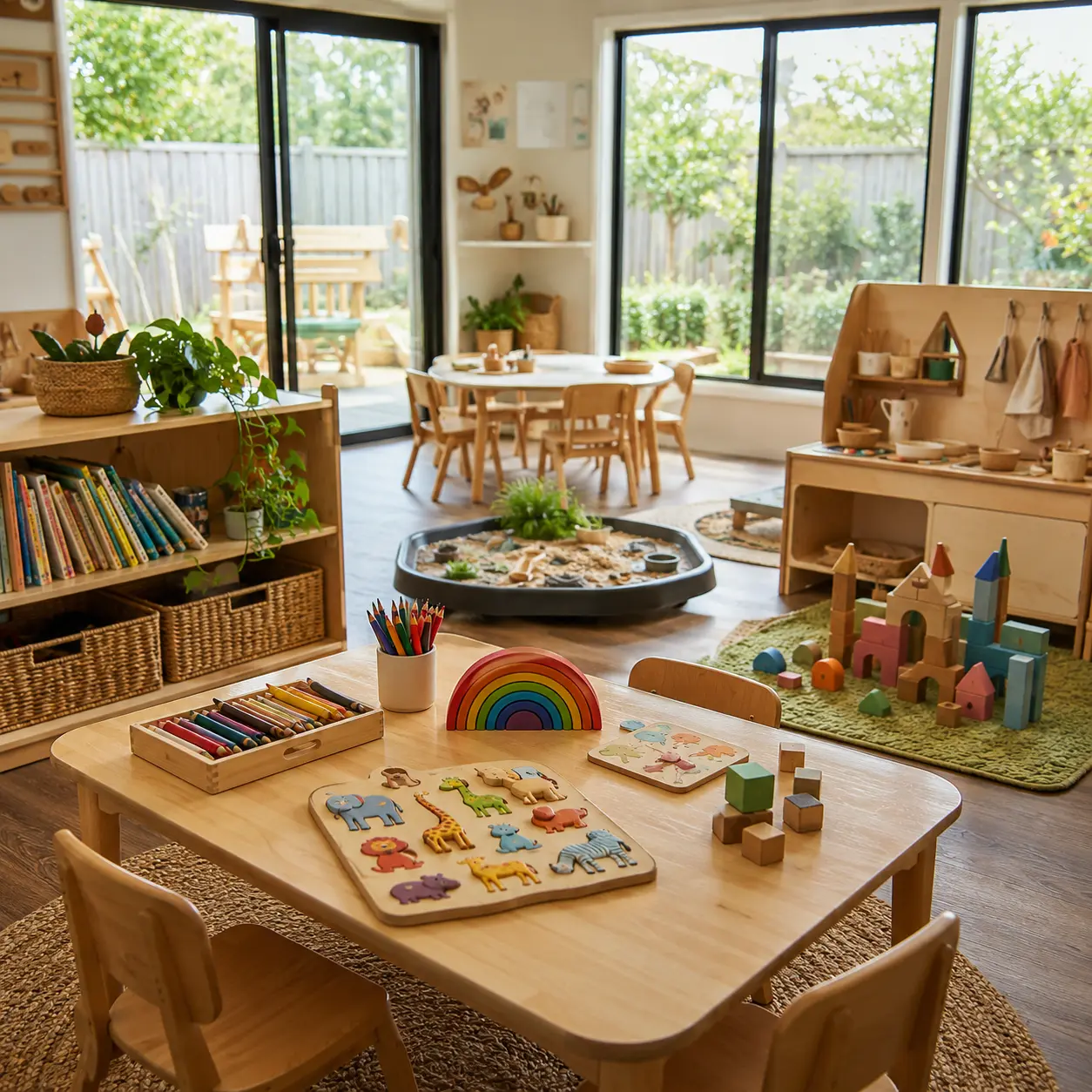
Walk into a quality early learning room in Raceview and it might look like the children are simply playing. Look closer and you will see something else entirely: children learning deeply, building skills and growing in confidence through that play. This is exactly why so many Raceview families love play-based early learning, and why it sits at the heart of the best early education.
Play-based learning is not a break from learning; it is the way young children learn best. This guide sets out five clear reasons Raceview families value it, from the confidence it builds to the way it prepares children for school. Whether your child is just starting out or approaching their first year of school, understanding these benefits helps you see the real value in what looks, on the surface, like play.
The approach is not a passing trend either. It is backed by Australia’s Early Years Learning Framework, the national framework guiding early education, and by decades of child development research. Our guide on play-based learning in childcare explains the foundations, and the five reasons below show why local families embrace it.
1. Play Is How Young Children Actually Learn
The first reason is the most important: play is the natural way young children learn, so play-based learning works with a child’s development rather than against it. A young brain is wired to learn through exploration, imitation and hands-on experience, which is exactly what play provides.
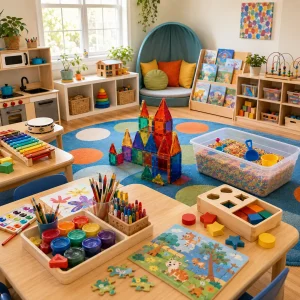
When a child stacks blocks, they are exploring balance, cause and effect, and early maths. When they play shops, they are practising language, numbers and social roles. This is not learning disguised as play; the play is the learning. Australia’s Early Years Learning Framework is built on this principle, recognising play as the primary vehicle for early development.
Raceview families notice the difference. Children come home engaged and excited, not drained by formal drilling. Our guide on nurturing growth through play-based learning explores how this natural approach supports the whole child.
2. It Builds Confidence and Social and Emotional Skills
The second reason is that play-based learning develops confidence and emotional skills alongside academic ones. Through play, children learn to take turns, share, negotiate, manage frustration and bounce back from setbacks, all in a safe, supported setting.
These social and emotional skills are the foundation everything else is built on. A confident child who can manage their feelings and get along with others is ready to learn, make friends and eventually thrive at school. Play gives children endless low-stakes chances to practise these skills, with educators guiding them gently along the way.
For Raceview families, this is often the benefit they value most. Confidence built early lasts, a theme our guide on how early learning builds confidence for big school covers in detail.
3. It Sparks Curiosity and a Love of Learning
The third reason is that play-based learning nurtures curiosity and creativity, giving children a genuine love of learning that lasts. When children follow their own interests through play, learning becomes something they want to do, not something imposed on them.
A play-based program lets a child chase what fascinates them, whether that is bugs, building, painting or pretend. Educators extend that interest with questions, materials and gentle challenges, so curiosity turns into deeper learning. This is how a lifelong love of learning takes root, long before formal schooling begins.
Children encouraged to explore become confident, curious learners. Our guide on how Raceview childcare encourages exploration shows how the local approach keeps that curiosity alive every day.
4. It Develops Problem-Solving and Thinking Skills
The fourth reason is that everyday play quietly builds problem-solving and critical thinking. A child working out how to make a tower stand, or how to share three toys between four friends, is doing real cognitive work, and enjoying it.
Play is full of these small, meaningful challenges. Children experiment, fail, adjust and try again, which is exactly how problem-solving develops. Because the child is motivated by the play itself, they persist far longer than they would with a worksheet. Those thinking skills transfer directly to later learning at school.
This is one of the most underrated benefits of play. Our guide on how play helps children develop critical thinking skills explains the science behind it in more depth.
5. It Prepares Children for School Without Pressure
The fifth reason is that play-based learning builds genuine school readiness naturally, without pressure or drilling. Children develop the language, social skills, focus, independence and confidence that school demands, all through engaging play rather than formal instruction.
This matters because school readiness is about far more than knowing letters and numbers. It is about a child who can separate from a parent, follow a routine, get along with others, manage their feelings and approach new challenges with confidence. Play-based learning builds every one of these, so children arrive at school ready and eager rather than anxious.
Raceview families appreciate that their children are being prepared for school in a way that protects their love of learning. To see how our program supports this, visit our Raceview centre page or explore our early learning programs.
What Play-Based Learning Looks Like Day to Day
To make these five reasons concrete, here is how a play-based approach shows up in everyday activities and what each one builds.
| Everyday play | What it looks like | What it builds |
| Block play | Building, balancing, knocking down | Maths, problem-solving, persistence |
| Imaginative play | Shops, doctors, families | Language, social roles, empathy |
| Outdoor and nature play | Digging, climbing, exploring | Physical skills, curiosity, confidence |
| Art and craft | Painting, drawing, making | Creativity, fine motor skills, self-expression |
| Group games | Turn-taking, simple rules | Cooperation, emotional regulation |
The table shows the common thread. What looks like ordinary play is, in a well-run program, purposeful learning guided by skilled educators.
A Note for Parents Weighing It Up
If you are new to play-based learning, it can feel counterintuitive to see play valued so highly. The honest answer is that the research and the national framework are clear: for young children, play is the most effective way to learn. That does not mean anything goes; quality play-based learning is intentional, guided and rich, not just free time.
For Raceview families, the appeal is simple. Children who learn through play are confident, curious and genuinely ready for school, without losing the joy of childhood along the way. If you would like to see it in action, you are welcome to reach out to Children’s Choice or contact our team to arrange a visit.
Frequently Asked Questions
What is play-based learning?
Play-based learning is an approach where young children learn through guided play rather than formal instruction. Building, imaginative play, art and outdoor exploration develop language, maths, social skills and problem-solving. It is the foundation of Australia’s Early Years Learning Framework, because play is how young children learn best.
Is play-based learning as effective as structured teaching for young children?
For young children, yes, it is generally more effective. Research and the Early Years Learning Framework recognise play as the primary way children under school age learn. Quality play-based learning is intentional and guided by educators, building the same skills as formal teaching while keeping children engaged and protecting their love of learning.
Does play-based learning prepare children for school?
Yes. Play-based learning builds genuine school readiness: language, social and emotional skills, focus, independence and confidence, all through engaging play. School readiness is about far more than letters and numbers, and play develops the whole set of skills a child needs to settle and thrive when they start school.
Why do Raceview families choose play-based early learning?
Raceview families value play-based learning because it builds confidence, curiosity, thinking skills and school readiness the way young children learn best. Children come home engaged rather than drained, develop strong social and emotional foundations, and are prepared for school naturally, without pressure or formal drilling.
What does a play-based day actually involve?
A play-based day involves guided activities like block play, imaginative play, art, outdoor exploration and group games, balanced with meals and rest. Educators follow children’s interests and extend them with questions and materials. Each activity looks like play but purposefully builds skills such as maths, language, cooperation and problem-solving.