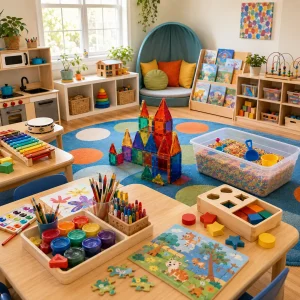
Dropping your little one off at childcare can sometimes feel like a big emotional hurdle, both for you and your child. It is a moment of change, shifting from the comfort of home to a busier environment filled with friends and activities. At Children’s Choice, we understand that these daily transitions are significant moments in a child’s day.
Whether it is the morning drop-off, moving from play time to lunch, or getting ready for a nap, how a child navigates these changes can deeply impact their sense of security and happiness. At Raceview Childcare, our educators are dedicated to making every transition as smooth and supportive as possible. By focusing on safe, nurturing childcare, we help children build the resilience and confidence they need to thrive.
Understanding the Significance of Daily Transitions
For adults, switching tasks is second nature. We move from answering emails to making dinner without much thought. However, for young children, transitions are major events. They involve stopping an activity they are enjoying, regulating their emotions, and adapting to a new set of expectations.
When transitions are handled with care, they become powerful learning opportunities. Smooth transitions are crucial for a child’s emotional and cognitive development. They help children learn how to predict what comes next, which fosters a sense of safety.
Research into early childhood development emphasizes that the first five years are transformative for a growing brain. During this time, the brain is building connections at a rapid pace. When a child feels secure during changes in their day, their brain is free to focus on exploring and learning rather than managing stress. A supportive environment during these times lays the groundwork for healthy emotional regulation later in life.
How Raceview Childcare Supports Seamless Transitions
At Raceview Childcare, we don’t just let transitions happen; we plan for them. Our educators use specific, gentle strategies to guide children through the rhythm of the day without making them feel rushed or overwhelmed.
One of the key methods we use is “signaling.” Rather than abruptly ending playtime, educators might give a five-minute warning, or use a specific song to signal that it is time to pack up. This gives children the mental space to finish what they are doing and prepare for the next activity.
We also emphasize flexibility and adaptability. We know that every child is unique. Some children might jump up ready for lunch the moment they hear the plates clattering, while others might need a quiet hand-holding moment or a little extra encouragement to move on from their block tower. By observing each child’s cues, our team adapts their approach to suit individual needs, ensuring no child feels left behind or anxious during the shift.
Creating a Predictable and Nurturing Environment
Predictability is the antidote to anxiety for young children. When the world makes sense and follows a pattern, children feel safer. This is why we place such a high value on consistent, yet flexible, daily routines.
A predictable environment acts as a safety net. When a child knows that washing hands is always followed by snack time, or that a story is read before nap time, they gain a sense of control over their world. This security allows them to relax and engage more deeply in their play-based learning.
We also recognize the vital role that family routines play in child development. The rituals you have at home,like a special goodbye handshake or a bedtime story,mirror the routines we establish at the centre. When these worlds align, it creates a bridge of consistency that supports the child’s overall development, making the day feel like a cohesive whole rather than a series of disjointed events.
Children’s Choice Approach to Supporting Daily Transitions
Children’s Choice integrates play-based learning into every aspect of the day, including transitions. We believe that moving from one activity to another doesn’t have to be a chore; it can be a game.
You might see our educators encouraging children to “hop like bunnies” to the bathroom or “tiptoe like mice” to the nap room. By turning the transition into a playful activity, we reduce resistance and make the change enjoyable. This approach aligns with our philosophy that play is the primary way children learn and make sense of their world.
Our nurturing childcare environment is designed to be a “home away from home.” We focus on building strong, trusting relationships between educators and children. When a child trusts their educator, a transition becomes less scary because they know they are being guided by someone who cares for them. This emotional safety is the foundation of the Children’s Choice approach, supporting school readiness by building emotional maturity and social skills.
Tips for Parents to Support Transitions
As a parent, you play a huge role in helping your child master transitions, especially the big one at the start of the day. Here are a few practical tips to help:
- Create a Goodbye Ritual: Consistency helps. Whether it’s two kisses and a high-five or a wave from a specific window, a predictable goodbye ritual signals to your child that you are leaving but that you will return.
- Talk About the Day: On the way to the centre, talk about what exciting things they might do. “I bet you’ll paint a great picture today” helps shift their focus to the fun ahead.
- Don’t Sneak Away: It can be tempting to slip out when your child is distracted to avoid tears, but this can actually increase anxiety. Always say a confident goodbye so your child learns to trust that you won’t just disappear.
- Plan Playdates: Encouraging friendships outside of care can make arriving at the centre more exciting. If they know their friend is waiting to play, the transition becomes something to look forward to.
Best Childcare Centre Raceview
Choosing the right care environment is one of the biggest decisions a parent makes. We strive to be the Best childcare centre Raceview offers by placing the child’s emotional well-being at the centre of everything we do.
Our unique quality lies in our staff. They are not just supervisors; they are partners in your child’s development. We offer a space that is physically safe but also emotionally expansive, allowing children to take risks, make mistakes, and learn in a supportive atmosphere. Our commitment to high-quality, play-based early learning ensures that children in Raceview are getting the best possible start in life.
Leading Childcare Centre Raceview
Our commitment to excellence extends beyond Raceview. For families further west, we are proud to be a Leading childcare centre raceview families trust. Our Raceview centre focuses heavily on the importance of early education and development.
In Raceview, we emphasize the same high standards of nurturing care and routine. We understand that early education is not just about learning ABCs; it is about learning how to be a person in the world,how to manage feelings, how to interact with others, and how to navigate change. By focusing on these foundational skills, we prepare children not just for school, but for life.
The Role of Daily Routines
Daily routines are the invisible framework that supports a child’s growth. Beyond just keeping the day organized, routines teach essential life skills.
Through routine, children begin to understand concepts of time and sequence (first we do this, then we do that). They begin to develop self-regulation as they learn to wait their turn or follow instructions during group times. These are the building blocks of executive function,the mental skills that help us get things done.
At Children’s Choice, our routines are designed to support children’s overall development physically, socially, and emotionally. They provide the repetition children need to master new skills, whether it is learning to put on their own shoes before outdoor play or learning to scrape their plate after eating.
Children’s Choice: Nurturing Children’s Growth and Development
At Children’s Choice, our mission is clear: to provide safe, nurturing childcare and play-based early learning that supports children’s development and school readiness.
We know that “school readiness” is about more than holding a pencil. It is about having the confidence to walk into a new room, the resilience to handle a change in plans, and the social skills to make a new friend. By supporting children through their daily transitions now, we are giving them the tools they need for the bigger transitions they will face in the future.
Raceview Childcare – Supporting Kids with Daily Transitions
Supporting children through daily transitions is about respect. It is about respecting their feelings, their pace, and their need for security. At Raceview Childcare, we take this responsibility seriously.
By combining predictable routines with genuine warmth and flexibility, we create an environment where children feel brave enough to explore. Children’s Choice is committed to walking beside your family on this journey, providing the safe, nurturing childcare that allows your child to blossom into a confident, happy learner.
Frequently Asked Questions
Why do some children struggle with transitions more than others?
Every child has a unique temperament. Some are naturally adaptable, while others need more time to process change. Factors like tiredness, hunger, or developmental leaps can also impact how a child copes. At Children’s Choice, we tailor our approach to support each child’s specific needs.
How does Children’s Choice help with separation anxiety at drop-off?
We encourage a consistent goodbye ritual and a quick, confident departure. Our educators will immediately comfort your child, often distracting them with a favourite toy or activity. We focus on building a strong bond so your child feels safe and secure with us quickly.
Should I keep my home routine exactly the same as the childcare routine?
It is not necessary to have an identical routine, but having similar times for meals and naps can help. The most important shared element is predictability. When children know what to expect in both environments, they feel more secure and settled.
What if my child cries during every transition?
Tears are a normal way for young children to express frustration or overwhelm. We validate their feelings (“I know you want to keep playing”) while gently guiding them to the next activity. Consistent, calm support usually helps children adjust over time as they learn the rhythm of the day.
How do daily transitions prepare my child for school?
School involves many transitions, from moving between classrooms to switching subjects. By mastering these shifts in a supportive early learning environment, children build resilience and adaptability. They learn to follow instructions and regulate their emotions, which are key skills for school readiness.