Choosing childcare is a big step. For many parents, it comes with a mix of relief, hope, and worry. You want your child to feel happy and settled, but you also want to know they are safe, supported, and cared for every moment they are there.
When you visit childcare centres, it helps to know what to look for beyond a friendly smile and a neat room. True safety includes physical security, clear health practices, trained educators, and the kind of emotional support that helps children feel calm and confident.
If you are looking for safe childcare centres in Heritage Park, this checklist will help you ask the right questions and notice the details that matter most. At Children’s Choice, we believe families deserve a childcare environment that protects children’s wellbeing while helping them learn, play, and grow.
Physical Security and the Learning Environment
A safe childcare centre should feel welcoming, but it should also feel secure. Children learn best when the environment around them is calm, clean, and thoughtfully designed.
One of the first things to check is how people enter and leave the centre. Strong security measures may include:
- PIN or coded entry systems
- Digital sign-in and sign-out procedures
- Clear visitor check-in processes
- Strict rules around who is authorized to collect each child
These systems help make sure only approved adults can access the centre. They also give parents peace of mind during drop-off and pick-up.
Cleanliness is another key sign of a well-run service. Toys, tables, bathrooms, sleep areas, and shared surfaces should be cleaned and sanitized on a regular schedule. Handwashing routines should also be built into the day, especially before meals, after toileting, and after outdoor play. Good hygiene does not just keep the centre tidy. It helps reduce the spread of illness and supports a healthier learning space for everyone.
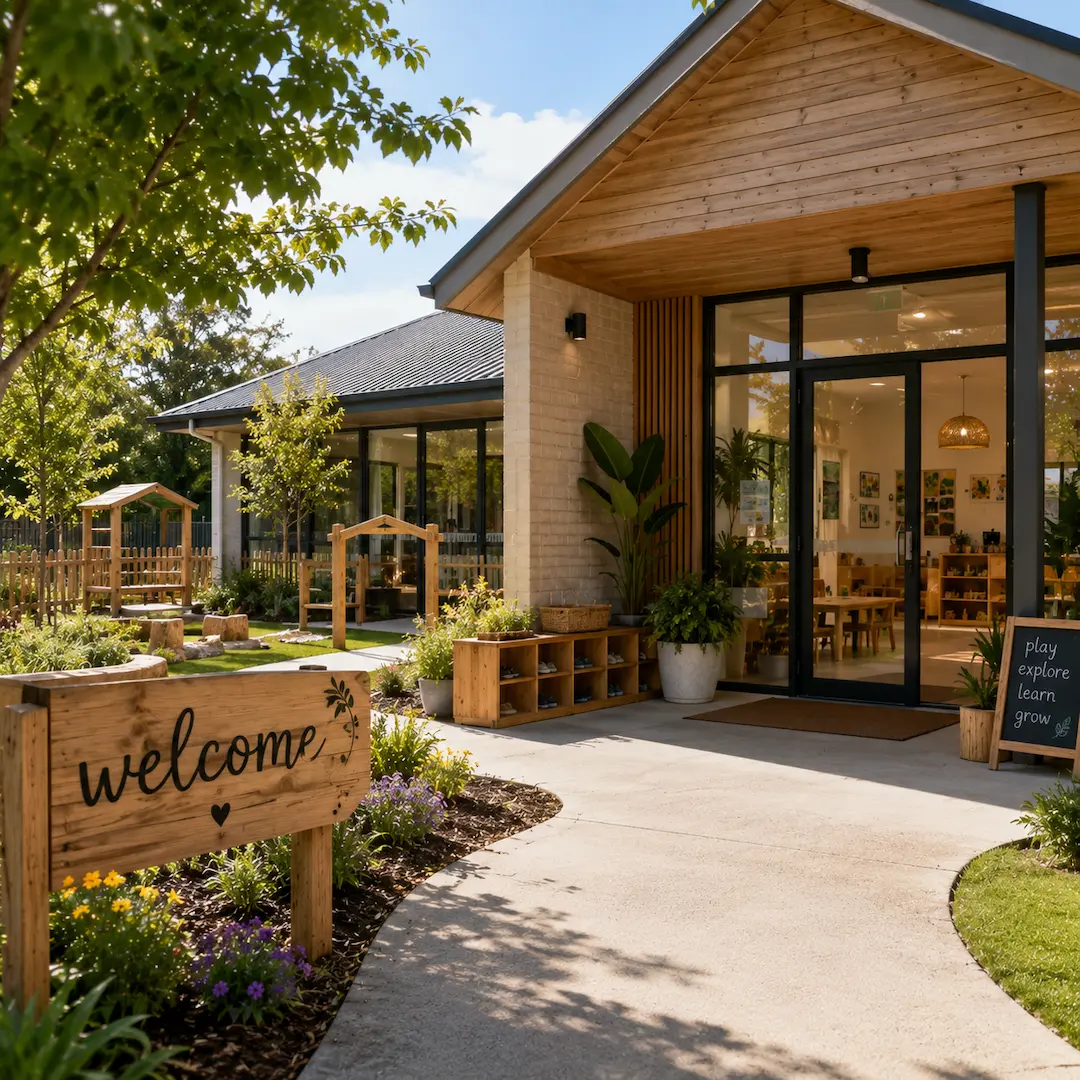
Outdoor areas deserve just as much attention as indoor rooms. Look for age-appropriate equipment, secure fencing, shaded play spaces, and soft fall surfaces under climbing areas. A quality centre should also check equipment often and remove risks before children use the space.
Quick parent checklist for the environment
Before you choose, ask:
- Is the entry point secure at all times?
- Are rooms and bathrooms clean and well maintained?
- Is outdoor equipment safe and suited to the children’s ages?
- Are there shaded areas and secure fences?
- Do the learning spaces feel calm, organised, and supervised?
Staff Qualifications and Active Supervision
The people caring for your child matter just as much as the building itself. Safe childcare centres in Heritage Park should have qualified educators who are well trained, properly screened, and present with children throughout the day.
Start by asking about educator-to-child ratios. These ratios are part of the National Quality Framework and help make sure each child gets enough attention and care. When ratios are maintained well, educators can respond faster, supervise more closely, and build stronger relationships with each child. You can review the standards in the ACECQA National Quality Standard guidelines.
Screening is another essential part of safety. In Queensland, educators should hold valid Working with Children Checks, often known as Blue Cards. Centres should also follow clear hiring processes that check qualifications, experience, and suitability to work with children.
Training matters too. A strong childcare team should be prepared for both everyday care and urgent situations. Ask whether staff are trained in:
- First Aid
- CPR
- Anaphylaxis management
- Asthma management
- Child protection
- Safe sleep and supervision practices
Just as important is how educators supervise children in real time. Active supervision means more than simply being nearby. It means educators position themselves so they can see and hear children, notice changes quickly, and step in early when needed. For example, during outdoor play, a strong team does not gather in one spot while children run across the yard. They spread out, stay alert, and engage with children while watching for risks.
What active supervision looks like
Here is a simple rule of thumb: children should be seen, heard, and supported at all times.
That often includes:
- Educators scanning the room and play areas often
- Staff moving with children instead of staying in one place
- Calm guidance during group play and transitions
- Quick responses to conflict, distress, or unsafe behavior
Health, Hygiene, and Emergency Preparedness
Health and safety procedures should be clear, consistent, and practiced regularly. Good centres do not wait for an emergency to figure out what to do. They prepare in advance and make those routines part of everyday operations.
Ask how the centre handles emergencies such as fire, evacuation, lockdown, or severe weather. Staff should know the procedures well, and children should take part in age-appropriate practice drills. The goal is not to frighten children. It is to help them respond calmly and safely if a real emergency happens.
Health plans are especially important for children with allergies, asthma, or medical needs. A quality centre should keep up-to-date records, medication plans, and clear instructions for staff. Educators should know which children have specific health needs and what steps to take if symptoms appear.
Illness management is another area where strong policies matter. If a child becomes unwell, parents should be contacted quickly. Centres should also have clear exclusion policies for contagious illnesses, along with strong cleaning routines to reduce spread. For more guidance, families can review the Queensland Government Health Guidelines for Early Childhood.
Questions to ask about health and emergencies
Before enrolling, check whether the centre can explain:
- How often emergency drills are practiced
- Where emergency plans are displayed
- How medications are stored and administered
- How allergy action plans are shared with educators
- When parents are contacted if a child is unwell or injured
These answers tell you a lot about how seriously a centre takes safety.
Communication, Policies, and Building Trust
Trust grows when communication is open, respectful, and consistent. Parents should never feel left in the dark about their child’s day, the centre’s policies, or how concerns are handled.
A quality childcare centre will explain its policies clearly from the start. This includes guidance on health, behavior support, sleep routines, sun safety, food handling, supervision, and incident management. These documents should be easy to access and easy to understand.
Incident reporting is especially important. Minor bumps and scrapes can happen in any active learning environment, but families should be informed promptly and respectfully. Staff should explain what happened, what care was given, and what steps were taken to prevent the issue from happening again.
Daily communication also matters. This could include updates at pick-up, app-based messages, notes about meals and sleep, or conversations about your child’s progress and wellbeing. When educators share both the joyful moments and the harder moments, it builds confidence and strengthens the parent-educator partnership.
Signs of strong communication
Look for a centre that:
- Welcomes questions from parents
- Shares policies openly
- Reports incidents clearly and promptly
- Communicates changes in routines or staffing
- Treats families as partners in care
At Children’s Choice, this kind of partnership helps create a sense of safety not just for children, but for parents too.
Weaving Safety Into the Curriculum
Safety is not only about gates, checklists, and policies. It should also be part of what children learn every day.
In quality early learning settings, educators teach safety through play-based learning. This means children build awareness in ways that feel natural, gentle, and age-appropriate. They might hear stories about safe choices, sing songs about handwashing, practice road safety in role play, or learn about sun safety before outdoor time.
This approach helps children build confidence without fear. Instead of making safety feel scary, educators make it practical and easy to understand.
Examples of safety learning in action
Children may explore topics such as:
- Protective behaviors and personal boundaries
- Road and pedestrian safety
- Water safety basics
- Handwashing and hygiene habits
- What to do if they feel unsafe or unsure
For example, an educator might read a story about asking for help from a trusted adult, then guide children through a simple discussion about who those trusted adults are. Another day, children may practice stop-and-look routines during outdoor bike play. These small lessons build lifelong awareness over time.
When safety becomes part of the curriculum, children do more than follow rules. They begin to understand why those rules matter. That supports independence, communication, and emotional security.
Final Thoughts
Finding safe childcare centres in Heritage Park takes more than a quick tour. It means looking closely at security, cleanliness, staff training, communication, and the way a centre supports children’s emotional wellbeing each day.
The right centre will help your child feel secure, valued, and ready to learn. It will also help you feel informed and confident as a parent. If you are exploring childcare options, trust your instincts and use this checklist to guide your questions.
If you would like to see how Children’s Choice supports children in a safe, caring, and nurturing environment, we invite you to book a tour at our Heritage Park centre.
FAQs
What should I look for in a safe childcare center?
Look for centers that are licensed, have strict safety protocols, qualified caregivers, clean facilities, and a transparent communication policy with parents.
How can I check if a childcare center is licensed?
You can verify licensing through your local government or childcare regulatory agency. Most reputable centers also display their certifications prominently.
What safety measures should a childcare center have in place?
Essential safety measures include secure entry systems, first-aid-trained staff, childproofed facilities, and clear emergency response plans.
How do I ensure caregivers are qualified?
Ask about caregiver qualifications, including certifications, training, and relevant experience, as well as how often staff undergo updates in education or skills.
What are signs of a nurturing childcare environment?
A nurturing environment features attentive staff, diverse activities for various age groups, a focus on emotional well-being, and a welcoming atmosphere for children and parents.
How can I evaluate cleanliness and hygiene standards?
Visit the facility to observe cleaning practices, inspect bathrooms and play areas, and ask about health policies for illness prevention and response.
What role does communication play in choosing a childcare center?
Effective communication ensures parents are informed about daily activities, incidents, and child development progress. Look for centers that prioritise regular updates and are responsive to questions or concerns.