Choosing a childcare centre is a big step for any family. You are trusting other people with your child’s safety, comfort, and daily care. That is why understanding childcare centre safety standards matters so much. These standards are not just about locked doors or clean toys. They shape the full experience your child has every day, from physical protection to emotional wellbeing and cultural inclusion.
When parents look closely at early childhood safety, they can make better, more confident decisions. A truly safe learning environment helps children feel secure enough to explore, learn, build friendships, and grow. In this guide, you will learn the key safety standards every parent should look for, what strong centres do differently, and how a provider like Children’s Choice can support children in a safe, nurturing setting.
The Physical Environment: Designing Spaces for Safe Exploration
A quality childcare centre should feel calm, organised, and welcoming from the moment you walk in. Physical safety is one of the most visible parts of childcare centre safety standards, but it should never feel harsh or restrictive. The best centres design spaces that protect children while still giving them freedom to play and learn.
Secure entry and clear visibility
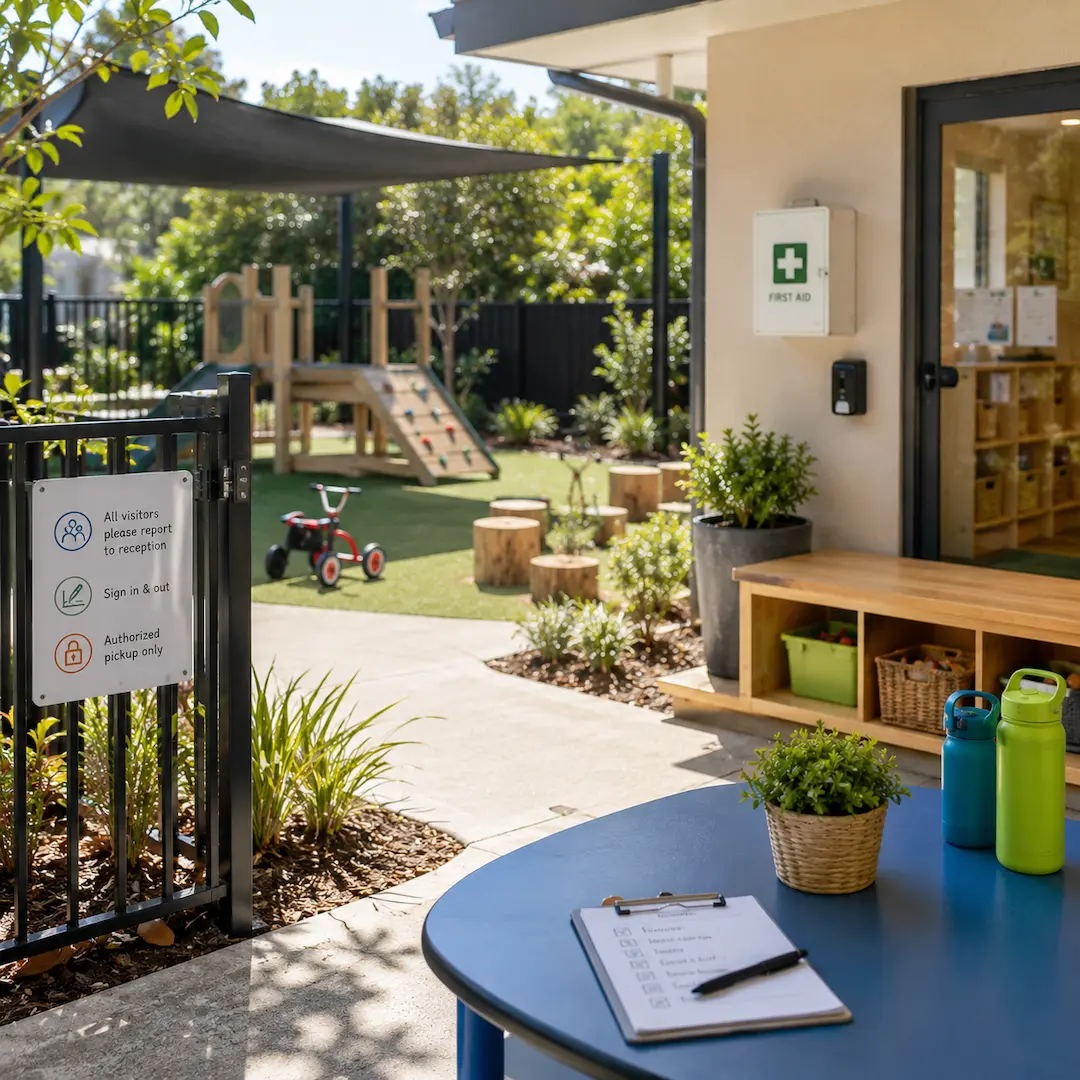
A safe centre controls who can enter the building. This may include secure gates, coded entry systems, sign-in procedures, and clear pick-up rules for authorized adults only. These measures reduce risk and help staff keep track of who is on site at any given time.
Visibility inside the centre matters just as much. Educators should be able to see children clearly across classrooms and outdoor spaces. Good supervision is not about hovering over every move. It is about being present, aware, and ready to respond before a small issue becomes a bigger one.
When you tour a centre, notice how the space is arranged. Are there hidden corners? Can staff observe both quiet play and active play areas? A strong setup supports early childhood safety by making supervision easier and more natural.
Thoughtful indoor and outdoor design
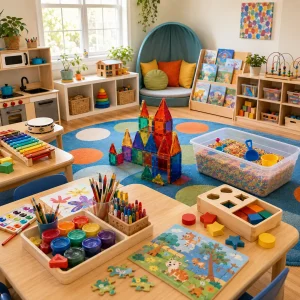
Young children learn by touching, climbing, testing, and moving. A safe learning environment does not stop that. It supports it through smart design. Indoors, that often means child-height furniture, covered power points, rounded edges, safe storage, and age-appropriate materials within easy reach.
Outdoors, playground design is especially important. Equipment should suit the children’s ages and stages of development. Soft-fall surfaces, shaded areas, secure fencing, and regular maintenance all reduce risk while still allowing active play. Children need physical challenges to build confidence, balance, and coordination, but those challenges should happen in a setting that has been planned with care.
Health and hygiene are part of the physical environment too. Clean bathrooms, handwashing routines, food-safe preparation areas, and clear illness policies all help protect children from avoidable harm. You can review broader health and safety guidance through the Australian Government Department of Education.
The People Who Care: Training, Ratios, and Qualifications
Buildings and equipment matter, but people are at the heart of child safety in childcare. The way educators respond, supervise, communicate, and prepare can make the biggest difference in a child’s daily experience. Strong childcare centre safety standards depend on well-trained staff who understand both prevention and response.
First aid and emergency preparedness
Parents should expect childcare educators to be trained in first aid, CPR, asthma management, and anaphylaxis response. These qualifications help staff act quickly and calmly when children need urgent support. Just as important, training should be refreshed regularly so knowledge stays current.
Emergency planning should also be part of daily operations. Centres need clear procedures for fire, lockdowns, evacuations, severe weather, and medical incidents. Staff should know their roles well, and children should be guided through drills in ways that are calm and age-appropriate.
This preparation creates stability. In a well-run centre, safety systems are built into the routine rather than added as an afterthought. That level of readiness gives families peace of mind and helps children feel secure.
Educator-to-child ratios
Ratios are one of the most important parts of childcare centre safety standards. When there are enough educators present, children receive more attention, better supervision, and faster support. Ratios also affect the quality of relationships. A child who feels seen and supported is more likely to settle well, communicate openly, and engage in learning.
In Australia, educator-to-child ratios are regulated as part of the National Quality Framework. You can learn more through the ACECQA National Quality Standard, which outlines expectations for quality and safety in early childhood education and care.
For parents, ratios are more than a compliance detail. They shape the rhythm of the day. If a room feels rushed, noisy, or stretched, that can be a sign that children are not getting the individual care they need. Children’s Choice recognises that strong staffing supports both safety and meaningful learning.
Thorough staff screening
Every staff member in a childcare centre should go through proper screening before working with children. This includes verifying qualifications, checking references, and completing the required Working with Children Check. In Queensland, for example, this is managed through Blue Card Services.
Screening is a key safeguard, but great centres go further. They look for educators who are patient, observant, respectful, and deeply committed to children’s wellbeing. Safety is not only about technical compliance. It is also about the values people bring into the room each day.
Emotional and Cultural Safety: Nurturing the Whole Child
A safe childcare centre protects more than a child’s body. It also protects their sense of self, belonging, and trust. Emotional and cultural safety are central to a child’s development. When children feel respected and included, they are more likely to build confidence, resilience, and strong social skills.
Empowering children to speak up
Children should be encouraged to express how they feel, ask for help, and say when something is wrong. This can start with simple daily moments. Educators may ask children about their preferences, help them name feelings, or support them in setting boundaries during play.
These practices matter because they teach self-advocacy. A child who feels heard is more likely to speak up when they are uncomfortable, confused, or upset. That is an important part of early childhood safety. It also supports emotional growth that extends well beyond the childcare years.
Parents can look for signs of this during a tour. Do educators speak respectfully to children? Do they listen carefully? Do they guide behavior without shaming? A safe learning environment should feel warm, steady, and responsive.
Cultural safety and inclusion
Children also need to feel safe being who they are. That includes their family structure, language, background, identity, and culture. A culturally safe centre does not treat inclusion as a box to tick. It builds it into daily practice through books, activities, celebrations, conversations, and respectful relationships with families.
This is especially important for Aboriginal and Torres Strait Islander children, who should see their cultures respected and meaningfully represented. It is also important for children from all backgrounds to learn in an environment that values diversity and fairness.
The National Principles for Child Safe Organisations from the Australian Human Rights Commission offer a strong framework for understanding how child-safe settings should support inclusion, participation, and cultural safety. These principles reinforce that true child safety in childcare includes emotional security and a sense of belonging.
Family Partnership: Transparency and Continuous Improvement
Parents should never feel shut out from safety conversations. The best centres treat families as partners. They explain policies clearly, welcome questions, and show how they review and improve their practices over time. Transparency is a strong sign that a centre takes childcare centre safety standards seriously.
Open communication and policy availability
A quality childcare provider should make safety policies easy to access and understand. This includes policies on supervision, pick-up and drop-off, incidents, medication, illness, allergies, emergency responses, and child protection. Families should know what the centre does, why it does it, and how concerns are handled.
Communication should also be ongoing. Daily updates, clear incident reporting, and regular conversations with educators help parents stay informed. If a centre is open and proactive, it is easier to build trust. Children’s Choice understands that parents feel more confident when communication is clear, respectful, and consistent.
Child-focused complaints processes
No centre is perfect, and strong centres do not pretend to be. What matters is how concerns are handled. A robust complaints process should be easy to access, fair, and focused on the child’s wellbeing. Families should know who to speak with, how issues are reviewed, and what steps follow if a concern is raised.
A centre that welcomes feedback often has a stronger safety culture. It shows confidence, accountability, and a real commitment to improvement. If staff become defensive or vague when you ask about complaints, that may be a sign to look more closely.
Parents can also review service information and regulatory details through the Starting Blocks government resource, which helps families understand what to look for in early learning and care settings.
Regular review of standards
Safety is never a one-time task. Children’s needs change, guidance evolves, and centres must keep improving. High-quality providers review incidents, update policies, refresh staff training, inspect environments, and reflect on family feedback. This process helps maintain a safe learning environment that stays strong over time.
Continuous improvement is one of the clearest signs of a mature, responsible childcare service. It shows that safety is part of the culture, not just a checklist used for compliance. When a centre is always looking for ways to do better, children benefit every day.
What Parents Should Look For During a Centre Tour
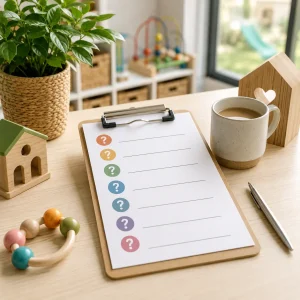
Once you know the basics, it helps to turn them into a simple checklist. During a visit, pay attention to what you see, hear, and feel.
Look for:
- Secure entry and sign-in systems
- Clean, well-maintained indoor and outdoor areas
- Educators actively supervising children
- Calm, respectful communication between staff and children
- Clear safety and emergency policies
- Age-appropriate equipment and learning materials
- Evidence of inclusion and cultural respect
- Staff who can answer questions with confidence and clarity
You can also ask direct questions. How are incidents reported to families? How often is staff training updated? What is the procedure if a child has an allergy or asthma attack? How does the centre support children who are settling in or feeling anxious?
These questions are not too much. They are part of making an informed choice. A centre that values safety will be happy to answer them.
Find a Nurturing Environment for Your Child
Understanding childcare centre safety standards helps you look beyond appearances and focus on what truly matters. A safe centre supports physical protection, emotional wellbeing, cultural inclusion, and strong family partnerships. Together, these elements create the kind of environment where children can feel secure, curious, and ready to learn.
When you visit childcare providers, trust both the details and your instincts. Ask questions, review policies, and observe how educators interact with children. The right centre will not only meet safety requirements but also create a warm, dependable place where your child can thrive.
At Children’s Choice, safety is part of the foundation for every child’s early learning journey. Book a tour to explore how the nurturing environment at Children’s Choice supports children through every stage of early learning.
FAQs:
What are the essential safety standards a childcare center should follow?
Childcare centers should adhere to local regulations concerning child safety, maintain secure premises, have appropriate caregiver-to-child ratios, and implement strict health and hygiene practices.
How can I assess the safety of a childcare center’s facilities?
Look for childproofed spaces, secure entry and exit points, age-appropriate furniture, and well-maintained outdoor play areas. Regular inspections and maintenance are also key indicators of safety.
What should I know about caregiver-to-child ratios in childcare centers?
The ideal caregiver-to-child ratio varies by age group. Ensure the center follows local guidelines, as a lower ratio allows for better supervision and attention to each child.
Are background checks required for childcare staff?
Yes, reputable childcare centers conduct thorough background checks on all their employees, including verifying qualifications, criminal records, and prior experience.
How do childcare centers handle emergencies?
Ask the center about their emergency preparedness plan, which should include fire drills, first aid training, clear communication procedures, and contact protocols for parents.
Why is staff training important in a childcare setting?
Trained staff are equipped to handle behavior management, developmental milestones, and emergency situations, ensuring a safer and more nurturing environment for children.
What health policies should a childcare center have in place?
A safe childcare center follows strict health policies, such as regular sanitization, vaccination requirements, illness reporting, and guidelines for administering medication