As parents, we often hear about the “magic” of routines, but when you’re in the thick of a chaotic morning or a bedtime battle, sticking to a schedule can feel impossible. Yet, establishing a consistent rhythm is one of the most powerful tools we have to support a child’s growth. Routines are more than just a schedule on the fridge; they are the invisible architecture of family life, offering children the stability they need to explore, learn, and thrive.
At Children’s Choice, we understand that every family is unique, but the need for predictability is universal for young minds. Whether you are looking for the best childcare centre in Raceview or simply trying to get out the door on time, understanding the “why” and “how” of routines can transform your daily life. This guide explores the deep impact of structure on child development and offers practical, stress-free ways to implement effective habits at home.
Why Routines Matter for Children
When children know what to expect, they feel safe. This sense of security is the foundation for all learning and development. Let’s look at the specific benefits of maintaining a consistent schedule.
Structure and Predictability
The world is a big, overwhelming place for a little person. Routines provide a consistent framework that helps them make sense of their environment. When a child knows that lunch follows play, or that brushing teeth happens before a story, the world becomes predictable. This predictability significantly reduces anxiety and stress, allowing their brains to focus on learning rather than worrying about what comes next.
Emotional Security and Well-being
Emotional security is closely tied to predictability. When life feels chaotic, children can become anxious or act out. Consistent routines act as a safety net, enhancing a child’s emotional security. Knowing that their needs, like food, rest, and connection, will be met at predictable times helps them feel secure and builds a solid foundation for healthy development.
Development of Essential Life Skills
Routines are the training ground for adulthood. By following a daily rhythm, children begin to understand concepts like time management, self-regulation, and responsibility. For example, a morning routine of getting dressed and packing a bag empowers children to become more independent. They learn that their actions have a sequence and a purpose.
Promotion of Healthy Habits
It is much easier to maintain good physical health when it is built into the schedule. Regular times for meals ensure proper nutrition, scheduled active play encourages exercise, and set bedtimes support the sleep necessary for growth. These are not just tasks; they are the building blocks of a healthy lifestyle that promotes good physical health and mental well-being.
Encouraging Social Interaction and Crucial Skills
Routines often involve interaction with others,family meals, saying goodbye at childcare, or sharing bath time with siblings. These daily touchpoints encourage social interaction and the development of crucial skills such as cooperation, patience, and empathy. Learning to take turns or wait for a specific time of day teaches emotional intelligence in a natural setting.
Organization of Time, Activities, and Events
Finally, a daily routine is essential for children as a way to help them organise their time, activities, and events. It helps them become more confident in themselves and the world around them. Instead of feeling dragged along by adult schedules, they understand the flow of the day and their place within it.
Creating Effective Routines: Practical Tips
Establishing a routine doesn’t mean you need to run your home like a boot camp. It’s about creating a rhythm that works for your unique family dynamic. Here are some practical tips to get started.
Be Consistent
Consistency is the golden rule. While flexibility is important, trying to stick to the same general order of events helps the routine stick. If bedtime is 7:30 pm on weeknights, try not to let it drift too far on weekends. This consistency reinforces the habit and makes transitions smoother.
Involve Your Child
Children are more likely to cooperate if they feel they have a say. Discuss the routine with them. Ask questions like, “Should we brush teeth before or after pyjamas?” Involving children in creating their routines gives them ownership and reduces power struggles.
Start Slowly
Don’t try to overhaul your entire life overnight. Start with one part of the day, like the morning drop-off or the bedtime wind-down. Once that becomes a habit, you can tackle other parts of the day. Suggest starting with small changes to build confidence and success.
Set Realistic Expectations
Toddlers will be toddlers, and preschoolers will test boundaries. Set realistic expectations for what your child can handle. A complicated 10-step morning routine might be too much for a three-year-old. Keep it simple and achievable.
Use Visual Cues
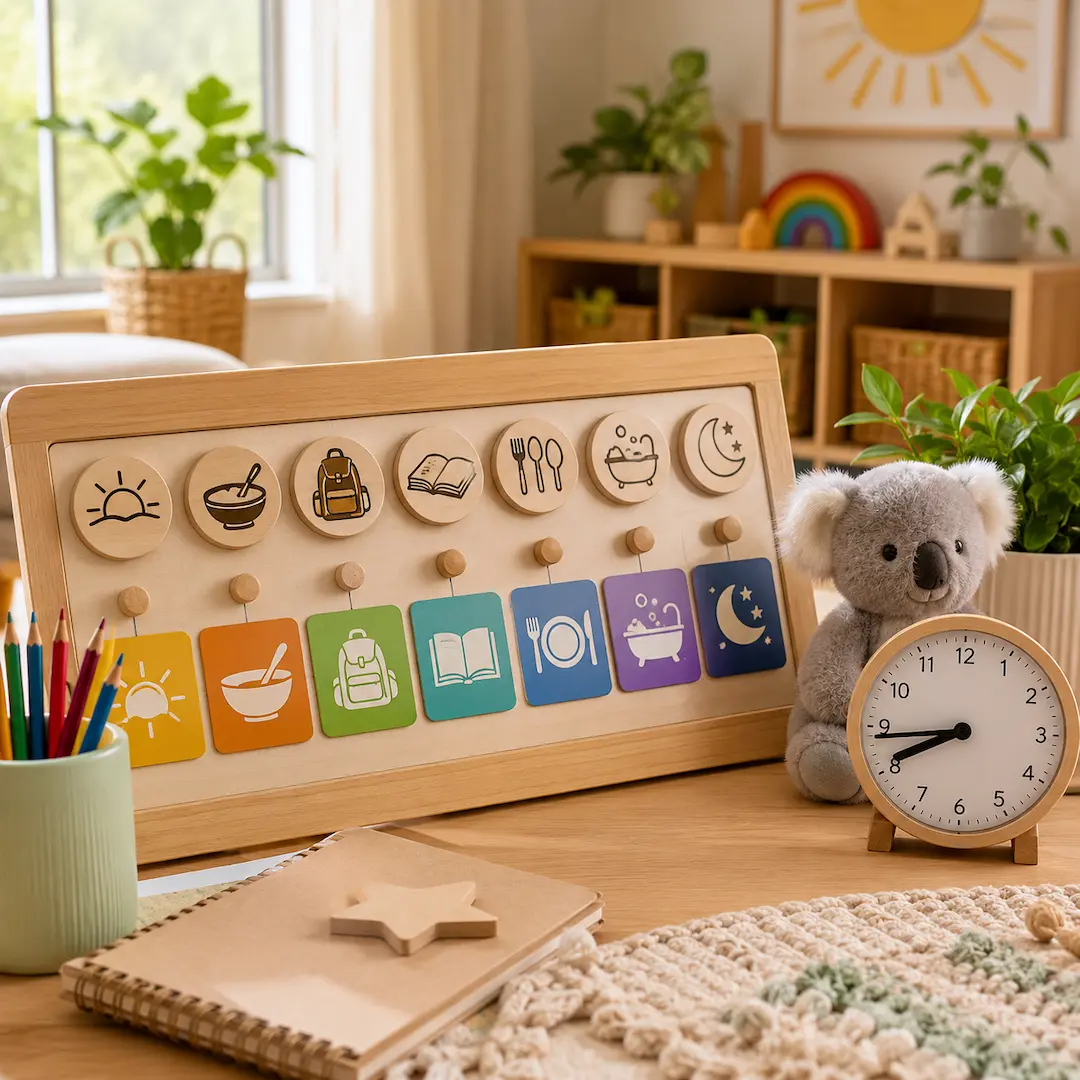
Young children often think in pictures, not clocks. Recommend using visual aids to help children remember their routines. A simple chart with pictures of a toothbrush, a bed, or a toy can help them understand what comes next without you having to repeat yourself constantly.
Establish Constructive Habits
Routines are the perfect vessel for teaching responsibility. From washing their hands when they come home from school to finishing homework every afternoon, a daily routine helps establish constructive habits. Over time, these actions become automatic, requiring less reminders from parents.
Children’s Choice: Supporting Routines in Childcare
At Children’s Choice, we view ourselves as partners in your parenting journey. We integrate consistent routines into our daily programs to mirror the stability children need at home. Our approach balances structured activities with the freedom of play.
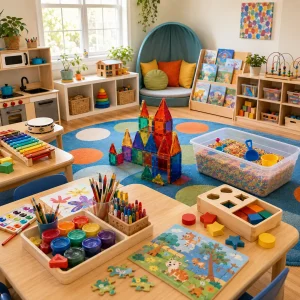
Our play-based early learning approach relies on a familiar daily rhythm. Children know when it is time to gather for a story, when it is time to run outside, and when it is time to rest. These routines act as steady anchors, providing structure, stability, and a sense of security. This consistency allows children to relax and fully engage in learning, knowing they are in a safe and nurturing environment.
Best Childcare Centre Raceview
Choosing the right care environment is one of the biggest decisions a parent makes. If you are searching for the best childcare centre Raceview, it is vital to look for a provider that values structure as much as affection.
Quality care is defined by experienced staff, stimulating environments, and a commitment to child development. Children’s Choice is proud to be a leading childcare provider in these areas. We offer spaces where routines are respected but never rigid, ensuring every child receives the individual attention they need to flourish.
Leading Childcare Centre Ipswich
For parents in the wider region, finding a leading childcare centre Ipswich means looking for a facility that prepares children for the transition to school. School readiness isn’t just about reading and writing; it’s about social skills, independence, and the ability to follow a routine.
Children’s Choice stands out as a top choice for childcare in Ipswich. Our qualified educators focus on enriching programs that build confidence. By emphasizing nurturing care and play-based learning within a structured day, we ensure children leave us ready for the next big step in their educational journey.
Children’s Choice: Partnering in Your Child’s Growth
Routines are not about restriction; they are about freedom. By removing the stress of the unknown, we give children the mental space to be creative, curious, and happy. Whether at home or in care, a consistent rhythm is the heartbeat of a happy childhood.
At Children’s Choice, we are committed to providing safe, nurturing childcare and play-based early learning that supports children’s development and school readiness. By working together to create effective routines, we can help the next generation grow into confident, capable, and well-adjusted individuals.
FAQs About Children’s Routines
How do routines benefit my child’s development?
Routines provide a sense of security and predictability, which is crucial for emotional regulation. They help children understand expectations, develop self-discipline, and master essential life skills like hygiene and time management. A consistent routine also supports cognitive development by reducing stress and allowing the brain to focus on learning new things.
Why is Children’s Choice considered a leading childcare centre in Raceview?
Parents consider Children’s Choice a leading childcare centre Raceview because of our balanced approach to early learning. We combine nurturing care with structured, play-based programs that respect a child’s need for routine. our experienced educators create an environment where children feel safe to explore, ensuring they develop the social and emotional skills necessary for future success.
Can a routine be too strict for a child?
Yes, a routine can be too strict if it doesn’t allow for flexibility or the child’s changing needs. While consistency is key, it is important to leave room for downtime, creative play, and the occasional spontaneous moment. A good routine should act as a guide, not a cage, adapting as your child grows and develops.
How does Children’s Choice support school readiness in Ipswich?
As a leading childcare centre Raceview and Ipswich, Children’s Choice integrates school readiness into our daily routines. We encourage independence through self-help skills (like packing bags and managing lunch boxes) and foster social skills through group activities. Our programs are designed to build the confidence and resilience children need to transition smoothly into a school environment.
What if my child resists the new routine?
Resistance is normal when introducing changes. To help, try to involve your child in the process by letting them make small choices (e.g., choosing a book for bedtime). Use visual charts to make the routine fun and easy to follow. Be patient and consistent; it takes time for a new habit to stick. Positive reinforcement, like praise for completing tasks, goes a long way.