Choosing a childcare centre is one of the biggest decisions a parent makes. You want to know that when you wave goodbye in the morning, your little one is stepping into a space that is not only fun and educational but, above all, safe.
In Australia, strict standards govern early childhood education and care, ensuring that every centre meets high safety requirements. But safety goes beyond just ticking boxes on a checklist. It’s about creating a culture of care where children feel secure enough to explore, take risks in their play, and build trusting relationships with the adults around them. At Children’s Choice, we understand that a truly safe environment is the foundation for all learning. When children feel safe, their minds are free to grow, discover, and thrive.
Key Aspects of a Safe Daycare Environment
Safety in childcare is multi-layered. It starts at the front door and extends to every corner of the playground, the kitchen, and the interactions between staff and children.
Strict Entry and Exit Procedures
The first line of defence in any childcare centre is controlling who comes in and who goes out. High-quality centres utilise secure entry systems, such as keypad access or digital sign-in kiosks, to ensure only authorised family members and staff can enter the premises. This prevents unauthorised access and ensures that children are only released to approved guardians.
Background Checks and Staff Training
The people caring for your child are just as important as the physical building. In Australia, all childcare educators must undergo rigorous screening, including Working with Children Checks. Beyond these initial checks, ongoing training is vital. Staff should be well-versed in child protection laws, supervision strategies, and emergency management to ensure they can handle any situation that arises.
Age-Appropriate Furniture and Equipment
A toddler explores the world very differently from a preschooler. Safe environments are tailored to the developmental stages of the children using them. This means ensuring that furniture is sturdy and anchored to prevent tipping, and that toys are free from small parts that could pose choking hazards for younger children.
Regular Cleaning and Disinfecting Practices
Young children share everything,including germs. To keep illnesses at bay, a rigorous cleaning schedule is essential. This involves daily sanitisation of toys, surfaces, and high-traffic areas, as well as strict hand-washing protocols for both staff and children throughout the day.
Creating a Physically Safe Space
A physically safe environment allows children to be adventurous without being exposed to unnecessary hazards. It involves a balance of “safe risks” (like climbing a small structure) and preventing serious harm.
Child-Proofing Measures
Just as you baby-proof your home, a daycare centre must be meticulously child-proofed. This includes installing safety gates at stairs and doorways, using outlet covers on all electrical points, and ensuring that cleaning supplies or medications are locked away in high cabinets, completely out of reach.
Safe Play Areas, Both Indoors and Outdoors
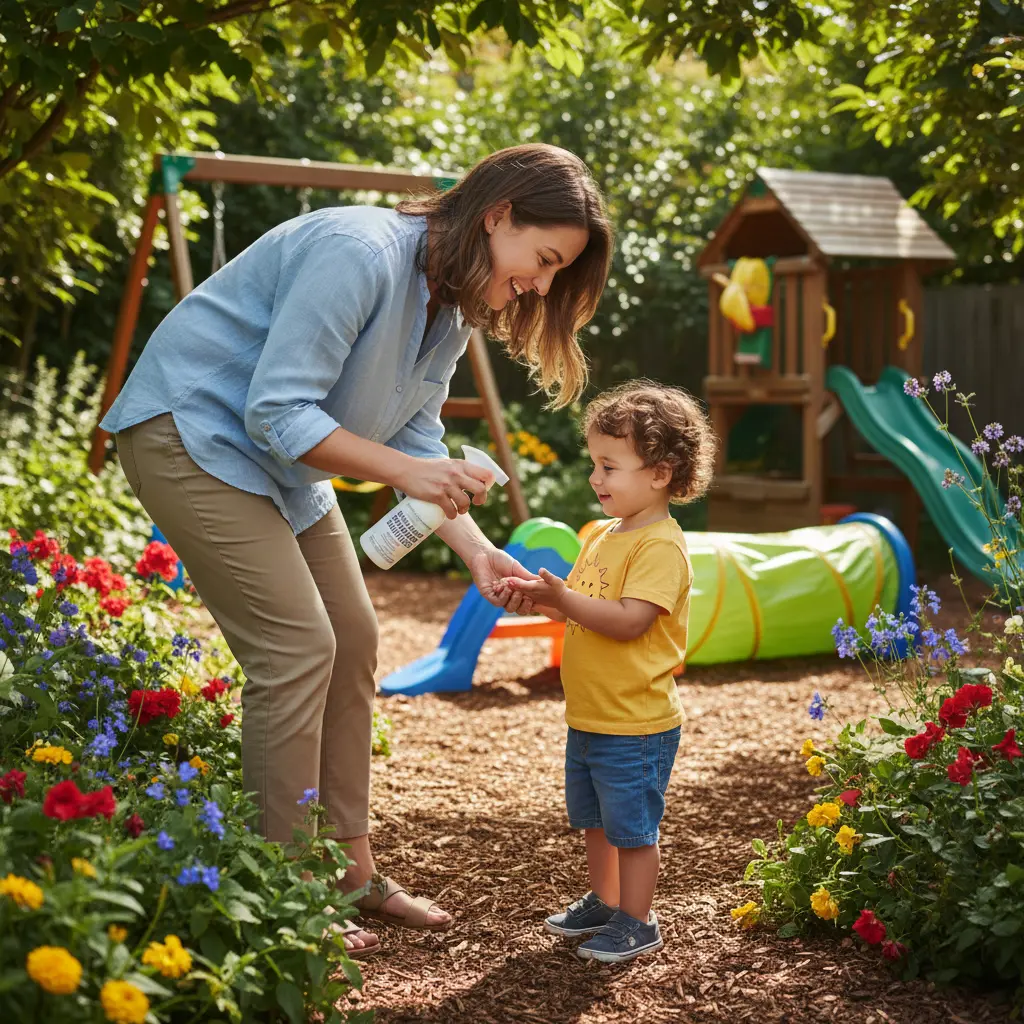
Play areas should be designed to absorb the inevitable tumbles of active play. Soft-fall surfaces under outdoor climbing equipment and rounded corners on indoor tables are standard safety features. Furthermore, outdoor spaces must be securely fenced and shaded to protect children from the harsh Australian sun.
Minimizing Clutter and Intentional Space Planning
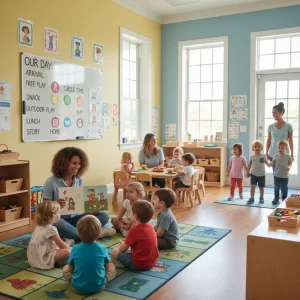
A chaotic room can lead to accidents. Intentional space planning involves organising the room so there are clear pathways for movement. By minimising clutter and defining specific zones for quiet reading, active play, or arts and crafts, educators reduce the risk of trips and falls while helping children feel calm and focused.
Health and Well-being Protocols
Safety isn’t just about preventing physical accidents; it’s also about managing health and well-being proactively.
First Aid and Emergency Procedures
Accidents can happen even in the safest environments. That’s why it is critical that all staff hold current First Aid, Asthma, and Anaphylaxis qualifications. Centres must have clearly displayed emergency evacuation plans and conduct regular drills so that both staff and children know exactly what to do in case of a fire or lockdown.
Managing Allergies and Dietary Restrictions
With food allergies becoming increasingly common, rigorous management plans are non-negotiable. This involves clear labelling of children’s food, nut-free policies where necessary, and ensuring all staff are aware of every child’s specific dietary needs and medical action plans.
Illness Prevention and Control
To protect the community, centres must have clear exclusion policies for sick children. If a child has a contagious illness, keeping them home prevents the spread of infection to other families and staff.
The Role of Trained and Caring Staff
The emotional safety of a child is just as important as their physical safety. A child who feels emotionally secure is more likely to engage in learning and social interaction.
Importance of Ongoing Professional Development
The field of early childhood education is always evolving. Leading centres invest in their teams, ensuring educators are up-to-date with the latest research on child development, safety regulations, and neurodevelopmental needs.
Promoting Positive Interactions and Relationships
Safety comes from connection. Educators who speak gently, listen actively, and validate children’s feelings create an “emotional safety net.” This allows children to express themselves freely without fear of judgment.
Engaging Families in the Learning Process
Parents are partners in safety. Open communication channels allow families to share changes in their child’s routine or health, helping educators provide consistent and responsive care.
Children’s Choice: A Commitment to Safety
At Children’s Choice, we believe that safety is not a static goal but a daily practice. We go above and beyond standard regulations to ensure our centres are sanctuaries for early learning.
Our commitment begins with our design philosophy, creating spaces that are open, visible, and secure and extends to our nurturing team of educators who treat every child with the same care they would their own. By adhering to the highest standards of safety, Children’s Choice provides safe, nurturing childcare and play-based early learning that supports children’s development and school readiness. We want you to feel complete peace of mind knowing your child is in the best possible hands.
Prioritising Safety in Early Childhood Education
Safety is the invisible thread that weaves through every high-quality early learning experience. It is the assurance that allows a child to climb a little higher, laugh a little louder, and learn a little deeper. By prioritising rigorous safety standards, creating nurturing environments, and fostering strong relationships, we prepare children not just for school, but for a healthy, happy life. When a child feels safe, the possibilities for their development are endless.
FAQ: Ensuring Your Child’s Safety
How do I know if a childcare centre is safe?
Look for security measures like keypad entry, clean and organised rooms, and happy, engaged staff. Ask about their staff-to-child ratios and check if they meet the National Quality Standard (NQS) ratings. A tour is the best way to get a “feel” for the environment,trust your instincts.
What is the best childcare centre Raceview has for safety?
When looking for the best childcare centre Raceview has to offer, look for a service that prioritises transparency. Top-rated centres in the area, like Children’s Choice, will happily show you their safety policies, introduce you to their qualified educators, and explain their emergency procedures during a tour.
How do centres handle medical emergencies?
All educators should be trained in First Aid, CPR, Anaphylaxis, and Asthma management. Centres must have First Aid kits readily available and specific medical action plans for children with known conditions. If a serious incident occurs, parents are contacted immediately, and an ambulance is called if necessary.
Is Children’s Choice the leading childcare centre Heritage Park families trust?
Many local families consider us the leading childcare centre Heritage Park has available because of our holistic approach to safety. We combine rigorous physical safety checks with a warm, emotionally supportive environment, ensuring children aren’t just safe from harm, but feel secure enough to thrive.
What are the staffing ratios in Australian childcare?
Ratios ensure adequate supervision. Generally, the ratio is 1 educator to 4 children for infants (0-2 years), 1 to 5 for toddlers (2-3 years), and 1 to 11 for preschoolers (3-5 years), though this can vary slightly by state. These ratios ensure that every child receives the attention and supervision they need to stay safe.