Starting “big school” is a huge milestone. It’s natural to feel a mix of excitement and nerves as your little one prepares for this next chapter. Many parents wonder if their child needs to know their ABCs or how to write their name perfectly before the first day. But true school readiness is about much more than academics,it’s about nurturing a confident, curious, and resilient learner.
At Children’s Choice, we believe that play is the most powerful tool for this preparation. Play-based learning isn’t just about having fun; it’s the serious business of childhood where essential life skills are built. By supporting your child’s development through play, you are laying the groundwork for a successful transition to school and a lifelong love of learning.
Understanding School Readiness
When we talk about school readiness, it’s easy to focus on literacy and numeracy. While recognizing letters and numbers is helpful, educators agree that social and emotional skills are often more critical for a smooth start.
School readiness means a child has the skills to manage the social demands of a classroom. This includes:
- Emotional Regulation: Being able to cope with big feelings and separate from parents without overwhelming distress.
- Social Skills: Taking turns, sharing resources, and communicating needs to teachers and peers.
- Independence: Managing personal belongings, opening a lunchbox, or using the toilet independently.
- Curiosity: Having an eagerness to explore and ask questions.
These soft skills form the foundation upon which academic learning is built. A child who feels secure and confident is a child who is ready to learn.
The Role of Play in Cultivating Essential Skills
Play is how children make sense of the world. It provides a safe environment to test ideas, solve problems, and practice social interactions. Here is how play directly translates to school skills:
Fostering Curiosity and Adaptability
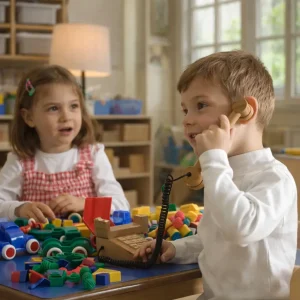
When children engage in unstructured play, they are constantly experimenting. Building a block tower that keeps falling over teaches resilience. Trying a new route on the playground fosters adaptability. These experiences teach children that making mistakes is part of learning, a vital lesson for the classroom environment.
Building Physical Strength
Sitting at a desk or holding a pencil requires physical stamina. Active play builds core strength, which is essential for posture and concentration. Meanwhile, activities like threading beads, squishing playdough, or using tongs to pick up small objects develop fine motor skills. These small movements strengthen the hand muscles necessary for writing and drawing later on.
Developing Social Intelligence
Role-playing games, like “shops” or “house,” are incredibly complex social exercises. Children must negotiate roles (“I’ll be the shopkeeper, you be the customer”), agree on rules, and navigate conflict. This type of cooperative play teaches empathy and communication far better than a worksheet ever could.
Practical Tips for Parents: Integrating Play-Based Learning at Home
You don’t need expensive educational toys to support your child’s readiness. The best learning opportunities often happen during everyday moments. Here are some simple ways to integrate play-based learning at home:
Turn Everyday Tasks into Games
Learning happens everywhere. At the grocery store, ask your child to find three red apples or count the items in the basket. While doing laundry, turn sorting socks into a matching game. These small interactions build numeracy and classification skills without feeling like a lesson.
Introduce New Flavors and Textures
School lunchboxes can sometimes be a source of anxiety. Prepare your child for handling new foods by making snack time an adventure. Have a “taste test” with different fruits or crunchy vegetables. Describe the textures and flavors together. This not only expands their palate but also builds the vocabulary needed to express their likes and dislikes.
Encourage Outdoor Exploration
Take regular trips to the local park or nature reserve. Climbing trees, balancing on logs, and running on uneven ground builds gross motor skills and confidence. Outdoor play also provides a sensory-rich environment where children can observe changes in weather, plants, and insects, sparking natural curiosity.
Foster Social Interactions
Arranging playdates is a great way to practice social dynamics. It gives children a chance to navigate sharing and turn-taking in a familiar setting. If conflict arises, guide them through it gently rather than solving it for them immediately. This helps them learn conflict resolution strategies they will use on the school playground.
Model Adventurous Behavior
Children learn by watching you. Show them that trying new things is exciting. Whether it’s attempting a new recipe or learning a new hobby, let them see you embrace challenges with a positive attitude. Your enthusiasm for learning will be contagious.
Children’s Choice: Nurturing School Readiness Through Play-Based Learning
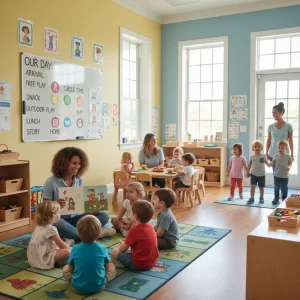
At Children’s Choice, we understand that every child develops at their own pace. Our curriculum is designed to support school readiness naturally, embedding learning into daily routines and play experiences.
We create environments that spark wonder. From sensory stations that explore texture and volume to dramatic play corners that encourage storytelling, every area of our centre is purposeful. Our educators are trained to observe children’s play and scaffold their learning,asking the right questions at the right time to deepen their understanding.
Whether you are looking for the Best childcare centre Raceview or the Leading childcare centre Heritage Park, our approach remains consistent: we prioritize the whole child. We focus on early intervention, identifying any areas where a child might need extra support well before they reach the school gates. By building strong relationships with families, we ensure that your child feels safe, nurtured, and ready to take on the world.
Why Choose Children’s Choice for Your Child’s School Readiness Journey?
Choosing the right early learning environment is one of the biggest decisions a parent makes. Children’s Choice offers more than just supervision; we offer a partnership in your child’s development.
Our centres provide safe, nurturing childcare and play-based early learning that supports children’s development and school readiness. We focus on building confidence, resilience, and independence, ensuring that when the time comes for big school, your child steps into the classroom with a smile, ready to learn.
Investing in Your Child’s Future with Play
Play is not just a pastime; it is the engine of childhood development. By valuing play and choosing an early learning environment that prioritizes it, you are giving your child the best possible start. School readiness is a journey, not a race. With patience, support, and plenty of fun along the way, your child will develop the skills they need to thrive.
If you are looking for a supportive community to help guide your child’s early years, we invite you to explore what Children’s Choice has to offer.
Frequently Asked Questions
What makes a centre the Best childcare centre Raceview for school readiness?
The best centres focus on holistic development rather than just rote learning. At Children’s Choice in Raceview, we emphasize social skills, emotional regulation, and independence through play-based programs. This ensures children are not only academically prepared but also socially confident and emotionally resilient when they start school.
How do I find a Leading childcare centre Heritage Park that focuses on play?
Look for a centre that values unstructured play and creative exploration. A leading centre will have diverse learning environments,both indoors and outdoors,that encourage curiosity. At Children’s Choice Heritage Park, our educators facilitate learning through children’s interests, making the process engaging and effective.
What is the difference between school readiness and academic skills?
Academic skills refer to specific knowledge like counting to 20 or knowing the alphabet. School readiness is broader; it includes the ability to listen to instructions, manage personal belongings, interact positively with peers, and cope with separation from parents. These “soft skills” are actually the most important predictors of early school success.
At what age should I start thinking about school readiness?
Preparation for school starts from birth! Every time you read, sing, or play with your child, you are building brain connections. However, formal “school readiness” programs in childcare usually focus on children aged 3 to 5. These programs gently introduce routines and skills that mirror the school environment.
How does Children’s Choice support children with additional needs?
We believe in inclusive education. Our educators are trained to identify developmental milestones and provide early intervention support. We work closely with families and external specialists to create tailored learning plans, ensuring every child has the best possible start to their education journey.