Dropping your little one off at childcare requires a huge leap of trust. You wave goodbye, perhaps with a mix of relief and worry, and head off to your day. But have you ever wondered what exactly happens after the door closes?
The role of a childcare worker goes far beyond simply “watching” children. These dedicated professionals are educators, nurturers, and the architects of your child’s early development. They turn everyday moments into learning opportunities, helping toddlers navigate big emotions and preschoolers prepare for the transition to school. At Children’s Choice, we understand that providing quality care means creating an environment where children feel safe, loved, and inspired to explore.
Let’s pull back the curtain and look at what a typical day involves for the educators who shape the hearts and minds of the next generation.

A Typical Morning: Setting the Stage
For a childcare worker, the day begins long before the first child arrives. Educators often arrive early to prepare the environment, ensuring it is inviting and ready for exploration. This might involve setting up a sensory table with sand and water, arranging a cosy reading nook with new books, or organising art supplies for a creative project.
When the doors open, the focus shifts entirely to welcoming families. This transition period is crucial. Educators greet each child by name, often getting down to their eye level to make them feel seen and valued. For children who might be feeling a bit anxious about separation, a warm hug or a distraction with a favourite toy can make all the difference.
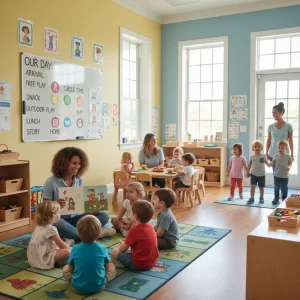
Once everyone has settled in, the morning usually kicks off with “circle time” or a group gathering. This is a special time for storytelling, singing songs, and discussing the day ahead. It helps establish a routine and a sense of community among the children, signalling that the day of learning and fun has begun.
Play-Based Learning and Development
One of the most common misconceptions about childcare is that children are “just playing.” However, in high-quality early learning environments, play is the work of childhood. Through play, children develop complex cognitive, social, and emotional skills that form the foundation for their future education.
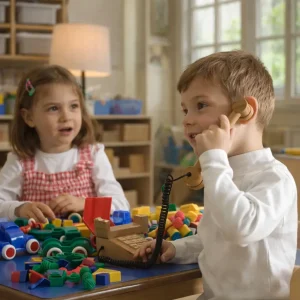
Educators carefully balance structured activities with free play. During free play, a child building a tower of blocks is learning about balance, gravity, and problem-solving. A group of children in the dress-up corner is navigating social dynamics, negotiation, and storytelling.
The role of the educator here is to facilitate and extend this learning. They might ask open-ended questions like, “What do you think will happen if we add another block?” or “How can we make sure everyone gets a turn?” If you were to walk into the Best childcare centre Raceview, you would see educators actively engaged on the floor with the children, turning these playful moments into deep learning experiences.
Meal Times and Nutrition
As the morning energy creates healthy appetites, the focus shifts to nutrition. Meal times are about more than just refuelling; they are social events that encourage healthy habits and independence.
Educators spend time planning and serving nutritious meals and snacks that cater to growing bodies. This part of the day requires vigilance and care, particularly regarding dietary requirements and allergies. Ensuring every child is safe and well-fed is a top priority.
Beyond safety, educators use this time to model positive eating behaviours. They sit with the children, encouraging them to try new foods and teaching them how to listen to their bodies. It is also a time for conversation, where children learn the art of taking turns to speak and using their manners.
Afternoon Activities: Fun and Exploration
After lunch and a rest period to recharge, the afternoon is often dedicated to active exploration and creativity. Outdoor play is a staple of the daily routine, allowing children to run, climb, and develop their gross motor skills. Whether it’s chasing bubbles, riding tricycles, or digging in the garden, fresh air and movement are essential for a happy, healthy child.
Indoors, the afternoon might involve creative arts and crafts or activities centered around educational themes like nature, animals, or cultural celebrations. This is a time for imagination to run wild. An educator might lead a painting session where children mix colours to see what new shades they can create, blending art with early science concepts.
Working with Parents and Families
A childcare worker’s job isn’t limited to interacting with children; building strong relationships with parents and families is equally important. Educators view themselves as partners in your child’s upbringing.
Throughout the day, educators document milestones and moments of joy to share with parents. This might be through a digital app, a communication book, or a quick chat at pick-up time. Did your toddler try broccoli for the first time? Did your preschooler write their name? These updates help bridge the gap between home and care.
When parents have concerns, whether it’s about sleep regression, biting, or school readiness, educators are there to offer professional insight and reassurance. They provide a supportive sounding board, helping families navigate the ups and downs of early childhood.
Challenges and Rewards
Working in childcare is incredibly rewarding, but it certainly comes with its challenges. Educators must manage a room full of different personalities and needs. They deal with challenging behaviours, from toddler tantrums to conflicts over sharing, all while maintaining a calm and nurturing demeanour.
Emotional regulation is a skill that takes years to master, and educators are often the ones guiding children through their biggest feelings. It requires immense patience and empathy.
However, the rewards far outweigh the difficult moments. There is nothing quite like the joy of witnessing a child’s “lightbulb moment”, when they finally master a skill they’ve been struggling with or make a new friend. Seeing children grow from shy infants into confident, school-ready children is a privilege that keeps educators passionate about their work.
Children’s Choice: Nurturing Future Generations
At Children’s Choice, we pride ourselves on selecting educators who are not only qualified but also deeply passionate about early learning. We believe that a childcare centre should be an extension of the home, a place where children feel secure enough to take risks and learn.
Our approach focuses on safety, nurturing care, and a curriculum that supports development at every stage. We understand that every community is different, which is why we strive to be the Leading childcare centre heritage park families can rely on, as well as in our Raceview and Ipswich locations. We are committed to fostering an environment where your child can thrive today and be ready for the big school years ahead.
Partnering for Your Child’s Success
The work of a childcare educator is diverse, demanding, and deeply impactful. They are the quiet champions of your child’s early years, providing the stability and stimulation needed for growth. By understanding the effort and expertise that goes into every day, we can better appreciate the value of quality early learning.
At Children’s Choice, we are dedicated to providing this exceptional level of care for families in Raceview, Heritage Park, and Ipswich. We are here to support your child’s journey every step of the way.

FAQs About Childcare
What qualifications do childcare workers need?
In Australia, childcare workers must hold or be actively working towards an approved qualification. This is typically a Certificate III in Early Childhood Education and Care or a Diploma. These qualifications ensure educators understand child development, safety standards, and how to implement educational programs effectively.
What is the daily routine like at Children’s Choice?
At Children’s Choice, our routine provides structure while remaining flexible to children’s needs. We alternate between active play, focused learning, rest, and nutritional meal times. Our educators adapt the day based on the children’s interests and energy levels, ensuring a balance of stimulation and calm.
How do childcare centres handle emergencies?
Safety is paramount. Centres follow strict protocols for emergencies, including lock-downs, evacuations, and medical incidents. Educators are trained in First Aid, CPR, and anaphylaxis management. Regular drills are conducted so that both staff and children know exactly what to do to stay safe.
What are the benefits of play-based learning?
Play-based learning allows children to explore the world in a way that makes sense to them. It builds creativity, resilience, and problem-solving skills. Research shows that children learn best when they are engaged and interested, making play the most effective vehicle for early childhood education.
How do I choose the best childcare centre for my child?
Look for a centre that feels welcoming and prioritises safety. Observe how educators interact with the children, Are they engaged and warm? Ask about their educational programs and how they communicate with families. If you are local, visiting Children’s Choice can help you see our nurturing environment firsthand.