Starting school is a big milestone, not just for children but for the whole family. It’s natural to wonder how your little one will adapt to a classroom environment, new routines, and formal learning. The good news is that the journey to loving school starts long before the first bell rings.
Early childhood education plays a pivotal role in shaping how children view learning. By creating a foundation of curiosity, confidence, and social connection during these formative years, we set the stage for a lifelong love of discovery. At Children’s Choice, we believe that providing safe, nurturing childcare and play-based early learning supports children’s development and school readiness, ensuring they step into their future with excitement and resilience.
The Significance of Early Learning
The years from birth to age five are a time of incredible growth. In fact, a child’s brain develops more rapidly during this period than at any other time in life. These early years are when the architecture of the brain is built, influenced heavily by experiences, relationships, and environments.
Quality early education does more than just teach children their ABCs or 123s; it shapes their intellectual, emotional, and social landscape. When children are exposed to nurturing environments where their questions are valued and their efforts are celebrated, they learn that the world is a safe place to explore. This foundational sense of security builds confidence and resilience,two traits that are essential for long-term success in school and beyond.
Building Cognitive Skills Through Play
One of the most exciting aspects of early learning is watching how children begin to understand the world around them. Early learning experiences are designed to sharpen essential cognitive skills, such as language acquisition, memory, attention span, and problem-solving.
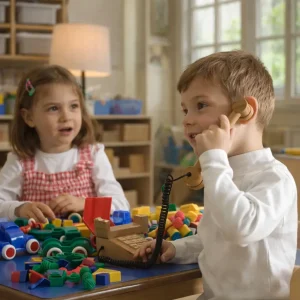
However, in the early years, this doesn’t look like sitting at a desk. Instead, it happens through play-based and hands-on learning. When a child builds a tower of blocks, they are testing physics and balance. When they sort buttons by colour, they are learning pre-math skills. By engaging in these activities, children develop the ability to focus, think critically, and solve problems,skills that will make the transition to formal schooling much smoother and more enjoyable.
Social and Emotional Development
School isn’t just about academic learning; it’s a social environment. One of the greatest gifts early childhood education offers is the opportunity to develop social and emotional competence.
In a high-quality early learning setting, children learn to:
- Communicate effectively: Through storytelling, singing, and chatting with peers, strong language skills are encouraged.
- Navigate social interactions: Children practice sharing, taking turns, and resolving minor conflicts with the guidance of educators.
- Regulate emotions: Learning to identify feelings and manage big emotions is a key part of growing up.
- Build independence: From putting on their own hat to pouring a drink, small acts of independence build immense self-confidence.
These skills form the emotional toolkit that helps children feel comfortable and capable when interacting with new teachers and classmates in “big school.”
Why Curiosity Matters
At the heart of every eager learner is a spark of curiosity. Curiosity is a child’s natural drive to figure out how things work,it’s the “why,” “how,” and “what if” that bubbles up throughout the day.
Curiosity fuels better memory and stronger focus because children are genuinely interested in what they are doing. Hands-on thinking allows them to test ideas and learn from the results. Furthermore, curious kids tend to connect more deeply with others. By asking questions and listening to answers, they build empathy, improve listening skills, and form meaningful friendships. When learning is driven by curiosity rather than rote memorization, it becomes a joy rather than a chore.
Nurturing Curiosity
As parents and educators, we have a wonderful opportunity to fan the flames of curiosity. The key ingredients are simple: time, space, and encouragement.
- Prioritise Unstructured Play: Giving children the freedom to play without a strict agenda allows them to follow their interests and make discoveries at their own pace.
- Remove Barriers: Sometimes, well-meaning schedules or a fear of “getting it wrong” can dampen curiosity. It’s important to let children make mistakes and get a little messy.
- Model Wonder: Adults can nurture curiosity by showing their own interest in the world. Ask questions out loud (“I wonder why the leaves are changing colour?”), stay calm when things don’t go to plan, and celebrate the small discoveries your child makes.
Preparing for Future Success
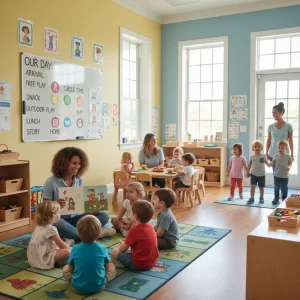
Children who engage in rich early learning experiences are better prepared to adapt to new challenges. The structure of an early learning centre helps children learn to follow instructions, respect routines, and work collaboratively with others.
This preparation extends well into adulthood. Research consistently shows that the benefits of early childhood education include better academic performance and strong literacy and numeracy skills later in life. By investing in their development now, we are giving them the best possible start.
Children’s Choice: Nurturing Future Leaders
Choosing the right environment for your child is a big decision. Children’s Choice is dedicated to providing a supportive space where your child can thrive. We offer safe childcare and play-based early learning that meets the unique developmental needs of every child.
Our educators understand that every child learns differently. By focusing on individual interests and strengths, we help children feel seen and valued. This positive association with learning is what shapes a confident, happy attitude toward school.
Children’s Choice: Your Partner in Early Education
At Children’s Choice, we are committed to partnering with families to raise happy, resilient, and curious learners. We believe that by working together, we can ensure every child feels ready and excited for the next step in their educational journey.
Frequently Asked Questions
What makes Children’s Choice the best childcare centre Raceview has to offer?
Children’s Choice stands out because of our commitment to nurturing the whole child. We combine high-quality educational programs with genuine care, ensuring children feel safe and supported. Our educators in Raceview are experienced in play-based learning, which helps children develop the social, emotional, and cognitive skills needed for a smooth transition to school.
How do I choose the leading childcare centre Heritage Park for my toddler?
When looking for a leading centre, visit the facility to observe the atmosphere. Look for happy, engaged children and educators who interact warmly with them. At Children’s Choice in Heritage Park, we encourage families to tour our centre, meet our team, and see firsthand how our environment fosters curiosity and confidence in young learners.
How does play-based learning help with school readiness?
Play-based learning allows children to explore concepts like maths, literacy, and science in a way that makes sense to them. Instead of rote learning, they learn through doing,measuring ingredients in a mud kitchen or recognizing letters on signs. This builds a positive attitude toward learning, making the transition to formal schooling feel natural and exciting.
What is the difference between a childcare centre and a preschool?
In Australia, many childcare centres, including Children’s Choice, offer approved kindergarten or preschool programs within their long day care setting. This means your child receives the same educational preparation for school, led by qualified teachers, but with the added convenience of extended care hours to support working families.
Why is social interaction important before starting school?
School is a highly social environment. Early social interaction helps children learn how to share, communicate, and solve problems with peers. These experiences build emotional intelligence and resilience, helping children feel more comfortable and confident when they enter a larger classroom setting.