In a world where screens often compete for our attention and structured schedules fill our calendars, the simple joy of playing outside can sometimes be overlooked. Yet, for young children, the natural world is much more than just a backdrop for recreation, it is a vibrant, sensory-rich classroom that offers endless opportunities for discovery.
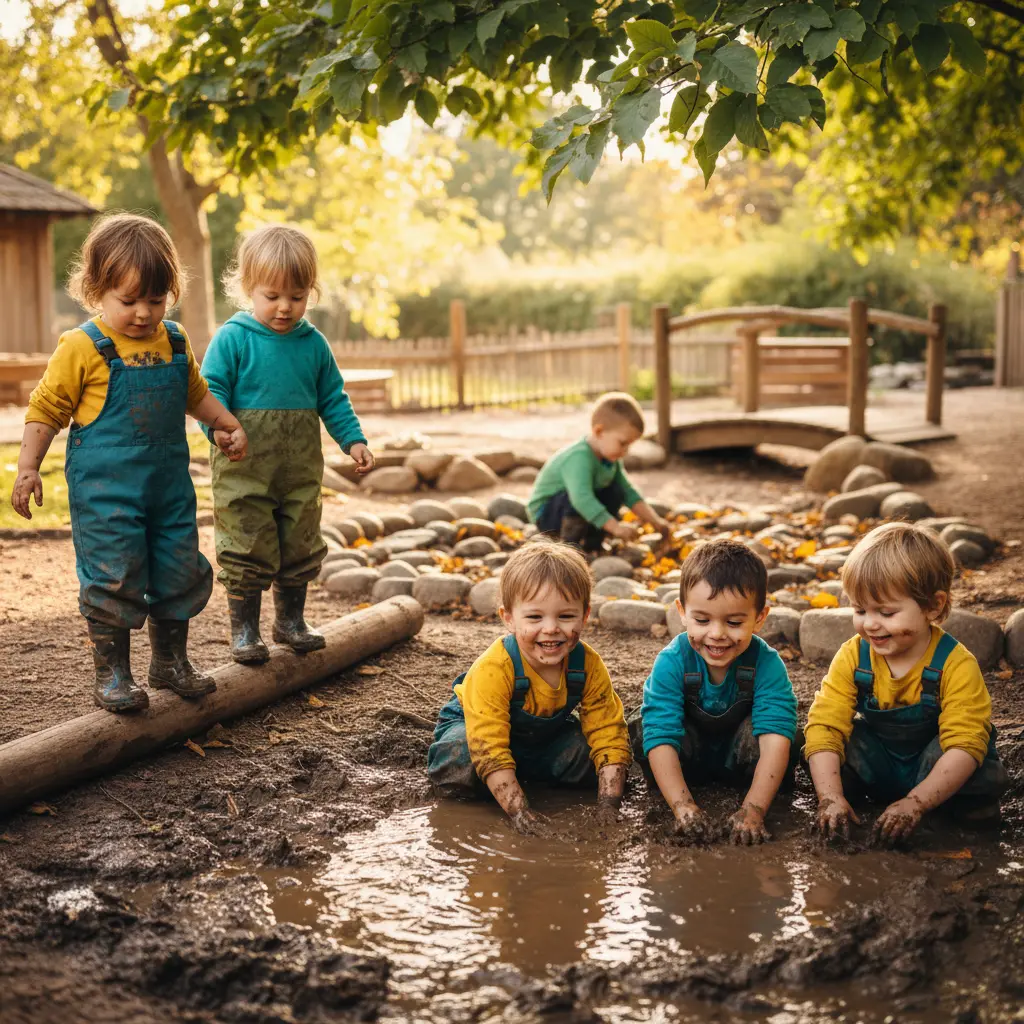
Nature play allows children to explore their limits, ignite their imaginations, and connect with the environment in a way that indoor settings simply cannot match. It’s about feeling the crunch of leaves underfoot, the cool sensation of mud between fingers, and the thrill of balancing on a fallen log.
At Children’s Choice, we believe that these raw, unstructured experiences are fundamental to early childhood development. Children’s Choice provides safe, nurturing childcare and play-based early learning that supports children’s development and school readiness. By integrating the outdoors into our daily rhythm, we help children build resilience, confidence, and a lifelong appreciation for the world around them.
What is Nature Play?
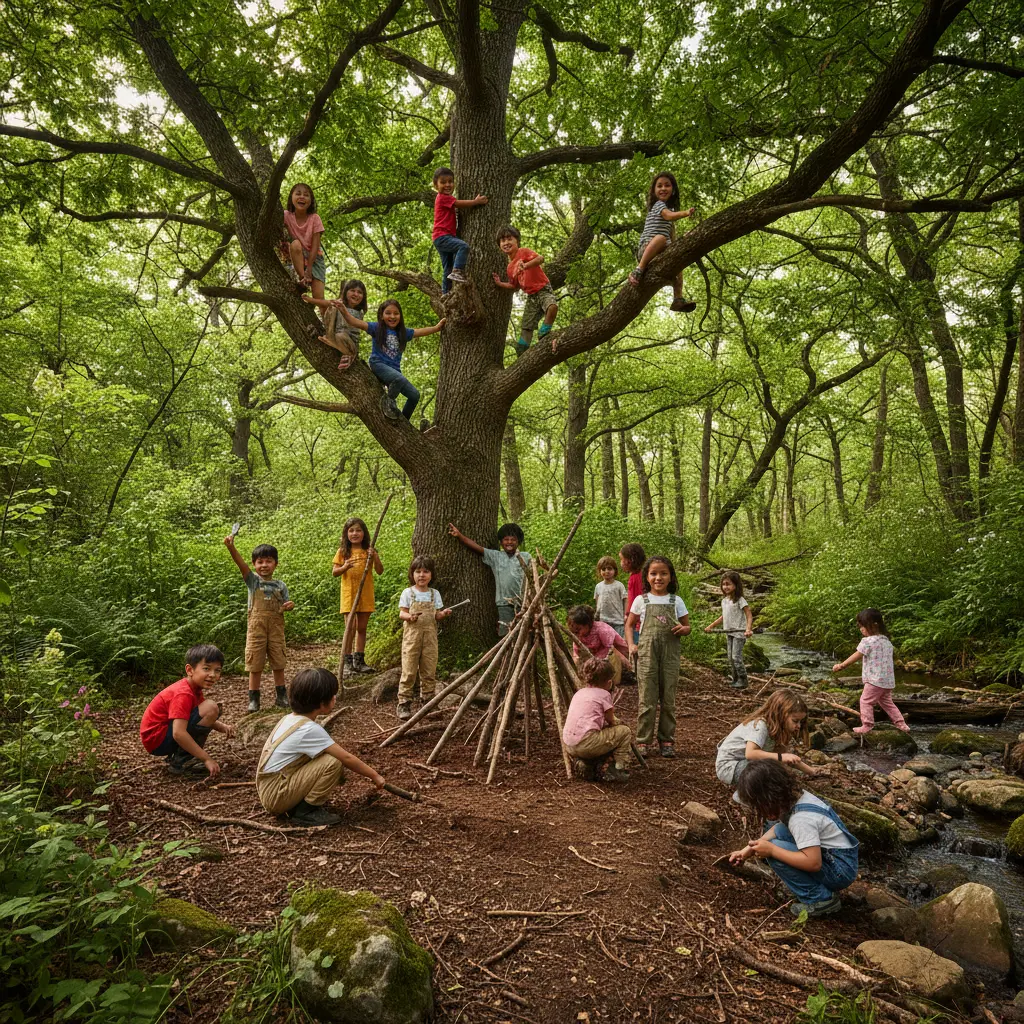
Nature play is distinct from traditional outdoor play, which might involve structured games on synthetic surfaces or fixed playground equipment. While those activities have their place, nature play is defined by its unstructured, child-led approach within a natural setting.
It involves engaging with natural elements, trees, soil, water, plants, and rocks, rather than manufactured toys. The key is that the play is open-ended. A stick can become a magic wand, a tool for digging, or a piece of a shelter. There are no pre-set rules or defined goals, allowing children to follow their curiosity and creativity wherever it leads. This connection to the natural environment encourages a sense of freedom and exploration that is vital for a child’s growing mind and body.
Benefits of Nature Play for Children
The benefits of spending time in nature extend far beyond fresh air. Research consistently shows that nature play supports holistic development across physical, emotional, cognitive, and social domains.
Physical Development
Moving through natural landscapes challenges a child’s body in unique ways. Uneven terrain, climbing trees, and lifting rocks enhance gross motor skills, balance, and coordination. Manipulating smaller natural objects like pebbles or seeds refines fine motor skills. Furthermore, the active nature of outdoor play promotes cardiovascular health and helps establish healthy habits that can reduce the risk of obesity later in life.
Emotional Development
Nature has a calming effect on the nervous system. Time spent in green spaces has been shown to reduce stress and anxiety levels in children. The unstructured nature of this play also builds resilience; when a child tries to climb a rock and slips, they learn to assess risk, manage fear, and try again. This process builds self-esteem and deep-seated confidence in their own abilities.
Cognitive Development
The outdoors is the ultimate laboratory. Nature play stimulates intense creativity and imagination, as children invent games and narratives using loose parts found in the environment. It also encourages critical thinking and problem-solving. Whether they are figuring out how to bridge a puddle or why a plant grows in a certain spot, they are constantly hypothesising and testing ideas.
Social Development
Nature play is often a collaborative experience. Children work together to build forts, move heavy logs, or create imaginary worlds. This promotes essential social skills such as teamwork, communication, and cooperation. It also offers a profound sense of belonging, helping children connect not just with nature, but with their peers and their community.
Environmental Awareness
You cannot protect what you do not love. By interacting closely with ecosystems, observing insects, watching seasons change, and caring for plants, children foster a genuine appreciation for sustainability. These early experiences plant the seeds for responsible practices, encouraging children to become advocates for environmental preservation as they grow.
Nature Play Activities
You don’t need a national park to engage in nature play. Simple activities can spark wonder and learning in almost any natural setting:
- Building forts and shelters: Using fallen branches, leaves, and fabric to construct cubbies.
- Exploring gardens: Planting seeds, tending to vegetable patches, and harvesting produce.
- Wildlife observation: Watching ants march, looking for birds, or hunting for bugs with a magnifying glass.
- Nature art: Creating mandalas or pictures using pinecones, flowers, and stones.
- Sensory play: Making “mud pies,” walking barefoot on grass, or playing in rain puddles.
Children’s Choice and Nature Play
At Children’s Choice, we view the outdoor environment as the “third teacher.” Our curriculum is designed to seamlessly incorporate nature play into daily activities, ensuring children have ample time to explore and discover.
We move beyond standard playground breaks to offer immersive experiences. Our centres feature thoughtfully designed outdoor spaces that include sensory gardens, vegetable patches, and natural climbing structures. By facilitating these interactions, we support children in taking calculated risks and engaging with their surroundings safely. Our educators are trained to guide this exploration, asking open-ended questions that deepen the learning experience without taking over the child’s play.
How to Incorporate Nature Play at Home
Parents often ask how they can bring the benefits of nature play into their home routine, especially if they have limited space. The good news is that it doesn’t require a large backyard.
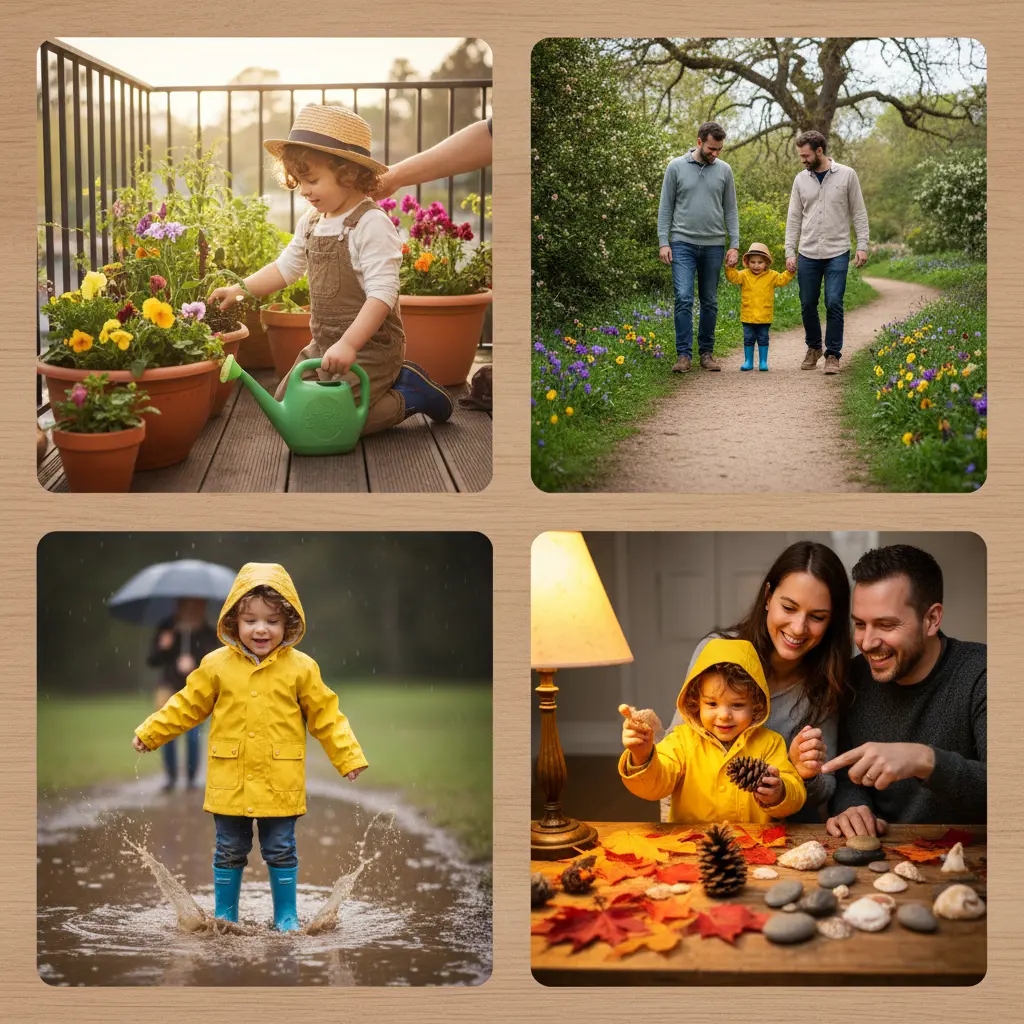
- Start small: A few pots on a balcony can become a mini-garden for a child to tend.
- Visit local green spaces: Make regular trips to local parks, bushy areas, or beaches. Let the child lead the way and decide what to explore.
- Embrace the weather: Don’t let rain stop play. Put on gumboots and raincoats and explore the puddles.
- Bring nature inside: Collect leaves, rocks, or shells during walks and create a “nature table” at home for observation and art.
Why Choose Children’s Choice for Nature-Based Learning?
Choosing the right early learning environment is one of the biggest decisions a parent makes. When you are looking for a centre that values holistic development, the approach to outdoor learning is a key differentiator.
For families seeking the best childcare centre Raceview has to offer, or a leading childcare centre Heritage Park community trusts, it is essential to look at how the service values the outdoors. At Children’s Choice, we don’t just open the doors and stand back; we actively facilitate engagement with the natural world. Our commitment to high-quality, nature-based learning ensures that your child isn’t just being looked after; they are being inspired. We blend safe, nurturing care with an adventurous spirit that prepares children not just for school, but for life.
The Future of Play with Children’s Choice
As we look toward the future of early childhood education, the importance of reconnecting with the natural world cannot be overstated. Nature play is not a trend; it is a fundamental requirement for a healthy, happy childhood. It builds the physical strength, emotional resilience, and cognitive flexibility that children need to thrive in an ever-changing world.
Children’s Choice is dedicated to leading this charge. By providing high-quality early learning experiences deeply rooted in play and environmental connection, we ensure that every child in our care has the freedom to grow, explore, and become their best selves.
FAQs About Nature Play
What are the main benefits of nature play for my child?
Nature play boosts physical health by improving motor skills and coordination. It supports emotional well-being by lowering stress and building resilience. Socially, it encourages teamwork, while cognitively, it sparks creativity and critical thinking through open-ended exploration.
How does Children’s Choice ensure safety during nature play?
Safety is our priority. While we encourage risk-taking to build resilience, our environments are risk-assessed daily. Children’s Choice educators are trained to supervise and guide children, ensuring they explore their limits in a secure, supported, and nurturing environment.
Can I do nature play if I don’t have a big backyard?
Absolutely. Nature play can happen anywhere. You can visit local parks, go for nature walks, or even use a balcony for potted plants. Bringing natural items like leaves or stones inside for sensory play is also a great way to connect with nature in small spaces.
What makes a leading childcare centre Heritage Park families recommend?
A leading childcare centre Heritage Park families love often prioritises holistic growth. Parents value centres that offer a balance of indoor education and outdoor nature play, fostering independence and confidence. High-quality facilities and nurturing educators are essential.
Why is the best childcare centre Raceview offers focused on nature?
The best childcare centre Raceview has available focuses on nature because it is crucial for development. Parents in the area seek providers like Children’s Choice that offer play-based learning in natural environments, knowing it supports school readiness and emotional health.