Starting big school is a major milestone for children and parents alike. It often brings a mix of pride, excitement, and a few quiet worries. Many families ask the same question: “Is my child really ready?”
It is natural to think first about academic skills. Parents often focus on whether their child can recognise letters, count numbers, or write their name. While those skills can help, they are only one part of the picture. True school readiness is built on something deeper: emotional security, social confidence, independence, and a strong sense of self.
Quality early learning helps children develop these foundations in a safe and caring environment. Through guided routines, play-based experiences, and supportive relationships, children learn how to manage change, build friendships, solve small problems, and feel capable in new settings. These are the skills that make the move to primary school smoother and less stressful.
At Children’s Choice, this whole-child approach is central to how children are supported each day. The goal is not just to prepare children for a classroom, but to help them walk into big school feeling confident, curious, and ready to take part.
Reframing “School Readiness” Beyond Academics
When parents think about school readiness, academic milestones often come first. Can my child hold a pencil properly? Do they know the alphabet? Can they count to twenty? These questions are common, but they do not tell the whole story.
School readiness is much broader than early literacy and numeracy. It includes a child’s ability to separate from a parent with confidence, follow simple instructions, take turns, manage emotions, and cope with new routines. These are the skills that help a child settle into a classroom and feel secure enough to learn.
This broader view is reflected in Australia’s early childhood framework. The Early Years Learning Framework from the Australian Government Department of Education highlights the importance of belonging, being, and becoming. It supports the idea that children learn best when they feel safe, connected, and valued.
From a developmental point of view, this makes sense. Children do not learn well when they feel overwhelmed or unsure. A child who feels emotionally supported is more likely to join in, ask questions, try new tasks, and recover from small setbacks. Confidence creates the conditions for learning.
For parents, this can be reassuring. Your child does not need to arrive at school having mastered every academic skill. What matters most is that they feel capable, secure, and open to learning. A strong early learning environment builds this confidence step by step, helping children enter prep with a positive mindset rather than pressure.
Fostering Social and Emotional Wellbeing
Big school comes with a busy social world. There are new adults, new classmates, shared spaces, unfamiliar rules, and many small social moments to manage each day. For a young child, that can feel like a lot.
Skills such as sharing, taking turns, listening to others, and coping with disappointment do not appear overnight. Children learn them over time through repeated, supported practice. Emotional regulation is also still developing in the early years, which is why children need calm guidance as they learn how to express feelings and respond to challenges.
In a quality early learning setting, these social and emotional skills are taught naturally through everyday experiences. During group play, children learn how to negotiate, wait, and cooperate. During story time, they practice listening and participating with others. When disagreements happen, educators help children name feelings, find words, and work toward solutions.
This kind of support is closely tied to long-term wellbeing. The Australian Institute of Family Studies provides research and insights that show how strong relationships and early support shape children’s development. When children feel understood and respected, they are more likely to build resilience and self-trust.
These early experiences matter when children begin school. A child who can manage frustration, seek help from an adult, and join in with peers is more likely to settle well in the classroom. They are also more likely to enjoy school, which supports learning in every area.
At Children’s Choice, nurturing social and emotional wellbeing is part of everyday learning. Children are not expected to “just know” how to manage big feelings or navigate friendships. They are guided with patience and care, so they can build these skills in ways that feel safe and achievable.
Building Independence and Everyday Life Skills
One of the biggest changes children face at big school is the need to do more things for themselves. In a classroom, teachers support many students at once. That means children benefit from having some basic independence before they start.
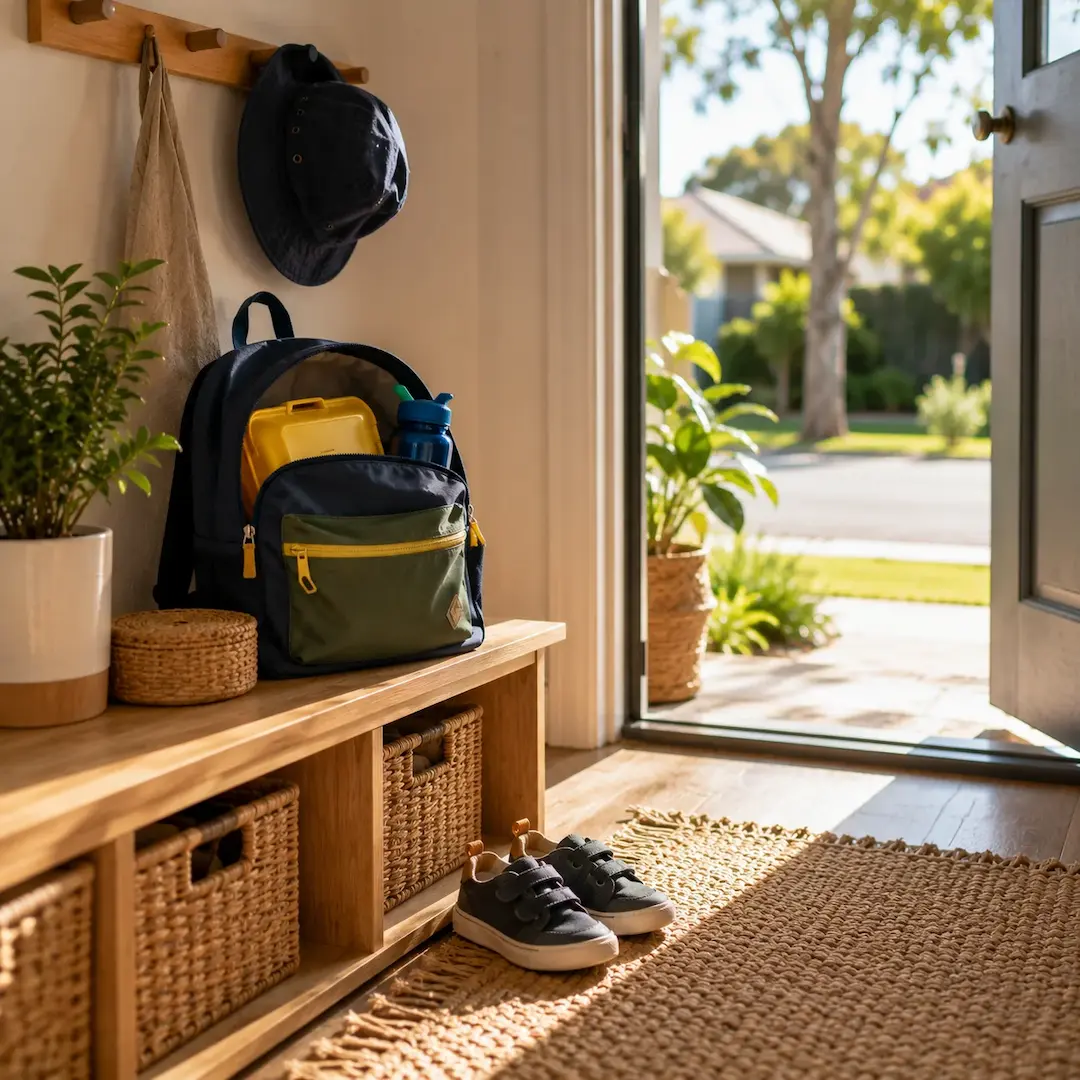
This does not mean children need to be fully self-sufficient. It means they feel comfortable trying small tasks on their own. Opening a lunchbox, putting away a hat, managing a backpack, using the toilet independently, washing hands, and following a routine all help children feel more capable at school.
Independence is closely linked to confidence. When children practice everyday tasks and succeed, they start to believe, “I can do this.” That belief carries over into other parts of learning. A child who feels capable in daily routines is often more willing to try new social and academic challenges too.
Early learning environments are ideal places to build these habits. Children follow regular routines, make simple choices, care for their belongings, and take part in tasks that encourage responsibility. Educators support them without stepping in too quickly, giving children the chance to try, learn, and improve.
Families can build the same confidence at home with simple routines such as:
- encouraging your child to pack and unpack their bag
- letting them practice opening food containers before school starts
- creating a calm morning routine with small jobs they can do themselves
- helping them choose and put on their own shoes or hat
- giving them time to tidy up toys after play
The Starting School resource offers practical advice for families preparing children for this transition. It reinforces the value of everyday readiness skills, not just academic knowledge.
When children have regular chances to do things for themselves, they build more than skill. They build trust in their own abilities. That sense of competence can make the first weeks of school feel much less daunting.
Supporting Cognitive Growth Through Play
Some parents worry that play-based learning may not prepare children for the more structured environment of school. In fact, the opposite is often true. Play is one of the most effective ways young children learn.
Through play, children develop problem-solving, memory, language, focus, and flexible thinking. They learn how to plan, experiment, ask questions, and make sense of the world around them. These are the building blocks of later academic learning.
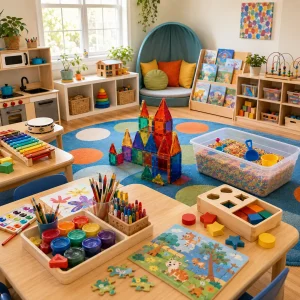
For example, when children build with blocks, they explore patterns, balance, size, and spatial awareness. When they role-play a shop or a family home, they build language, social understanding, and sequencing skills. When they complete puzzles or sort objects, they strengthen concentration and reasoning.
Play also supports confidence because it allows children to learn without fear of getting things wrong. They can test ideas, make mistakes, and try again. This helps children become active learners rather than passive receivers of information.
The Australian Children’s Education and Care Quality Authority outlines how high-quality early childhood education supports learning and development through meaningful, play-based experiences. This approach helps children build the thinking skills they need for school while keeping curiosity and joy at the center.
At Children’s Choice, play is not separate from learning. It is how learning happens best in the early years. Children are encouraged to explore, create, communicate, and think for themselves, all while being supported by educators who understand how to extend their development in age-appropriate ways.
Creating a Smooth and Positive Transition to Big School
Confidence for big school does not come from one single lesson or checklist. It grows through many small experiences over time. A child who has practiced routines, built friendships, managed emotions, and learned through play is better prepared to handle the changes that school brings.
That preparation also helps families. When parents understand that school readiness includes emotional and social development, the transition can feel less pressured. Instead of trying to rush academic skills, families can focus on helping children feel secure, capable, and excited about what comes next.
There are many ways to support a smooth start:
- talk positively about school and what to expect
- visit the school if possible before the first day
- keep routines predictable in the lead-up to the transition
- encourage your child to speak about their feelings
- celebrate small steps toward independence
- stay calm and reassuring, even if your child feels nervous
Children do not need to feel fearless to be ready. They simply need enough confidence to take the next step. That confidence is built through strong relationships, supportive routines, and opportunities to grow at their own pace.
This is where high-quality early learning can make a lasting difference. At Children’s Choice, children are supported as individuals, with care that helps them develop not only skills, but also self-belief. That inner confidence can shape how they approach school from day one.
Final Thoughts
Big school is a big step, but children do not have to face it alone. With the right early learning support, they can develop the social, emotional, physical, and cognitive foundations that help them thrive.
Academic skills matter, but confidence is what helps children use those skills in a new environment. When children know how to manage routines, connect with others, express their needs, and approach learning with curiosity, they are far more likely to settle in well and enjoy the experience.
Early learning gives children the space to build that confidence before the school journey begins. It helps them move forward not just with knowledge, but with resilience, independence, and a sense of readiness that lasts well beyond the first day.
For families preparing for this transition, that is one of the greatest gifts early education can offer.
FAQs
What is early learning?
Early learning refers to structured educational experiences designed for young children, typically before they enter formal schooling. It helps develop foundational skills in areas like communication, problem-solving, and social interaction.
How does early learning benefit a child’s confidence?
Early learning environments provide opportunities for children to explore and succeed at new tasks. Encouragement from educators and peers fosters self-assurance in their abilities.
Can early learning help with social skills?
Yes, early learning helps children develop vital social skills, such as sharing, cooperation, and resolving conflicts, which contribute to their confidence in group settings.
What role does independence play in building confidence?
Independence is crucial for confidence. Early learning programs encourage children to make choices, take on responsibilities, and solve problems, helping them feel capable and prepared.
Is resilience addressed in early learning programs?
Absolutely. Early learning environments teach children how to handle challenges and setbacks constructively, building resilience that supports their confidence in future situations.
How can parents support early learning at home?
Parents can support early learning by creating positive learning experiences at home, reading together, and encouraging curiosity and exploration in their children.
What should I look for in an early learning program?
Look for programs that offer a nurturing environment, skilled educators, age-appropriate activities, and a focus on developing confidence, independence, and social skills.