Watching your little one grow is a journey filled with wonder, joy, and a fair few questions. Every parent wants the best for their child, hoping they grow up to be happy, confident, and capable individuals. But in those early years, the concept of “success” can feel a bit abstract. Is it about knowing the alphabet? Making friends? Or is it something deeper?
The truth is, preparing children for success isn’t about rushing them through milestones or focusing solely on academic achievements. It is about laying a strong, broad foundation that supports them in every aspect of their life. From the first time they stack blocks to the moment they walk through the school gates, every interaction shapes their future.
At Children’s Choice, we believe that success starts with a nurturing environment where children feel safe to explore, make mistakes, and discover who they are. We partner with families to provide play-based early learning that supports children’s development and school readiness, ensuring they have the tools they need to thrive not just in school, but in life.
Defining Success in the Early Years
When we talk about success for young children, we aren’t talking about test scores or gold stars. In the context of early childhood development, success is holistic. It embraces the whole child, their mind, their heart, and their body.
True success involves nurturing a child’s natural curiosity and love for learning. It is about helping them develop the emotional resilience to bounce back from frustration, the social skills to build meaningful relationships, and the physical coordination to navigate their world. When we focus on this broad spectrum of growth, we empower children to become well-rounded individuals ready to tackle whatever comes next.
Key Areas of Development
To truly prepare children for the future, we focus on four interconnected areas of development. These pillars work together to build a confident and capable learner.
Academic Skills
While we don’t do formal “lessons” in the traditional sense, early learning lays the groundwork for academic success.
- Literacy: This begins long before a child reads their first book. It involves storytelling, singing, recognizing sounds, and expanding vocabulary through rich conversations.
- Numeracy: Basic math skills emerge through play,counting toy cars, sorting blocks by colour, or measuring ingredients in a mud kitchen. These activities build problem-solving abilities and logical thinking.
Social Skills
Learning to be part of a community is a massive milestone for toddlers and preschoolers.
- Cooperation and Teamwork: Through group play, children learn to take turns, share resources, and work towards a common goal.
- Empathy: Understanding that others have feelings is crucial. We guide children to recognise emotions in themselves and others, fostering emotional intelligence.
Emotional Skills
A child’s emotional wellbeing is the foundation for all other learning.
- Self-Regulation: Helping children understand and manage their big feelings is a key part of our role.
- Confidence: By celebrating small wins and encouraging independence, we help children build self-esteem and the belief that they can overcome challenges.
Physical Development
A healthy body supports a healthy mind.
- Gross Motor Skills: Running, jumping, climbing, and balancing help build strength and coordination.
- Fine Motor Skills: Activities like drawing, threading beads, or using playdough strengthen the small muscles in the hands, which is essential for learning to write later on.
Strategies for Parents and Educators
You are your child’s first and most important teacher. Creating a supportive environment at home that mirrors the nurturing care they receive at their centre can make a world of difference.
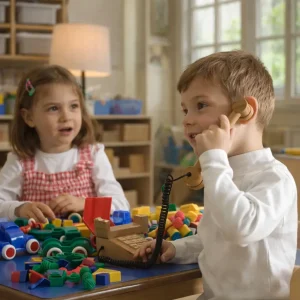
One of the most effective strategies is encouraging play-based learning. Play is the work of childhood; it is how they make sense of the world. When a child builds a tower, they are learning about physics. When they play “shop,” they are practicing social negotiation and math. Encouraging this natural curiosity allows learning to happen organically.
Foster opportunities for social interaction where possible. Playdates or visits to the park allow children to practice those vital cooperation skills. At home, simply reading together or involving your child in daily tasks, like matching socks or setting the table, can turn routine moments into valuable learning experiences.
Children’s Choice: Nurturing School Readiness
At Children’s Choice, we integrate these developmental areas into every aspect of our curriculum. We don’t just watch children play; we actively support and extend their learning to ensure they are acquiring the skills needed for school transition.
Our programs are designed to be responsive to the children’s interests while targeting specific developmental outcomes. For example, our school readiness program isn’t about worksheets; it’s about building independence. We encourage children to manage their own belongings, follow multi-step instructions, and engage in group discussions,skills that are vital for a smooth start to primary school.
Whether it is our dedicated literacy corners or our outdoor exploration zones, every environment is set up to spark inquiry. By providing quality childcare in Raceview and Heritage Park, we ensure that local families have access to early learning that prioritises the unique potential of every child.
Choosing the Best Care for Your Family
Selecting a childcare centre is one of the biggest decisions a parent makes. You want a place that feels like a second home,a place where your child is seen, heard, and valued.
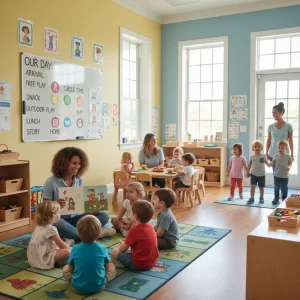
When you are looking for the best childcare centre Raceview has to offer, look beyond the facilities. Look for educators who get down to the child’s level, who speak with warmth and respect. Observe if the children seem happy and engaged in their activities. A great centre will have a buzz of gentle energy and purposeful play.
Similarly, if you are searching for a leading childcare centre Heritage Park families trust, ask about their educational programming. How do they handle school readiness? How do they communicate with parents? The right centre will be transparent about their methods and eager to partner with you in your child’s development. We are proud to serve the Ipswich community, offering a standard of care that puts the child’s well-being above all else.
Investing in Your Child’s Future
The early years are a fleeting but foundational time in your child’s life. By focusing on holistic development,nurturing their heart and body just as much as their mind,we give them the best possible start. Preparing children for success is a partnership, and with the right support at home and in care, your child can blossom into a confident, curious learner ready to take on the world. Children’s Choice is committed to walking this path with you, providing the safe, nurturing childcare and play-based early learning that your family deserves.
Frequently Asked Questions (FAQs)
What are the key skills children need to be ready for school?
School readiness goes beyond writing a name. Key skills include social maturity, such as playing well with others and following instructions. Emotional skills like separating easily from parents and managing frustration are also vital, alongside self-care skills like opening a lunchbox or using the toilet independently.
How does Children’s Choice prepare children for school?
Children’s Choice uses a play-based curriculum that targets holistic development. We build independence and social confidence through group activities and daily routines. Our educators also introduce early literacy and numeracy concepts naturally during play, ensuring children have a positive attitude toward learning before they enter the classroom.
What can parents do at home to support their child’s development?
Read to your child every day to build vocabulary and imagination. Encourage open-ended play with simple toys like blocks or boxes rather than screens. Involve them in daily conversations, asking “why” and “how” questions to spark critical thinking, and support their independence in small tasks like dressing themselves.
How do childcare centres promote social and emotional development?
Centres provide a structured social environment where children navigate friendships and conflicts with guidance. Educators model empathy and help children label their emotions. Children’s Choice focuses on creating secure attachments, helping children feel safe enough to express themselves and learn how to regulate their feelings in a group setting.
What are the benefits of play-based learning?
Play-based learning allows children to explore concepts at their own pace, which deepens understanding. It reduces stress and increases engagement because the child is interested in the activity. Research shows that learning through play improves memory, language skills, and social competence more effectively than formal instruction in the early years.