Choosing the right early learning environment is one of the biggest decisions you will make as a parent. It is about more than just finding a place for your little one to spend the day; it is about finding a second home where they feel safe, loved, and inspired to explore the world around them. For families in our local area, finding a centre that balances educational excellence with genuine warmth is often the top priority.
We understand that this process can feel overwhelming. There are lists to make, tours to book, and questions to ask. However, knowing what to look for can turn anxiety into excitement. Whether you are returning to work or simply looking for socialisation opportunities for your child, the right centre will partner with you to support your child’s unique developmental journey. At Children’s Choice, we believe that every child deserves a start that nurtures their confidence and prepares them for a lifetime of learning.
Understanding Your Child’s Readiness for Childcare
Before you even begin touring centres, it is helpful to look for signs that your child is ready for this new adventure. Every child develops at their own pace, and readiness isn’t about ticking every single box, but rather seeing emerging skills that will help them thrive in a group setting.
Signs of Social and Emotional Readiness
If your child is showing an interest in other children,perhaps watching them play at the park or attempting to share toys,they may be craving the social interaction that childcare provides. While it is normal for toddlers to be possessive, early signs of empathy or a willingness to engage with peers suggest they are ready to build social skills.
Physical development is another indicator. Can your child feed themselves finger foods? Are they steady on their feet? While educators are there to help, some level of physical independence allows children to participate more fully in the daily rhythm of a centre. Communication is also key; if your child can express simple needs or understand basic instructions, they will feel more confident navigating their new environment.
Managing Separation Anxiety
It is completely normal to worry about how your child will cope without you. Separation anxiety is a natural part of development and often peaks between 10 and 18 months. Signs include clinginess, crying upon drop-off, or shyness.
The good news is that high-quality childcare centres are experts in managing this. We recommend starting with short separations and gradually increasing the time apart. Talk to your child about their new centre in positive terms. Most importantly, when you say goodbye, reassure them that you will return. A consistent, calm goodbye routine helps children feel secure.
Key Factors in Selecting a Childcare Center
When you are looking for the best childcare centre Heritage Park has to offer, you need to look beyond the fresh paint and new toys. The true measure of quality lies in the relationships and the philosophy that guides the centre.
Student-to-Teacher Ratio
One of the most critical factors is the ratio of educators to children. A lower ratio ensures that your child isn’t just a number in the crowd. It allows educators to provide personalised attention, notice those small developmental leaps, and offer comfort immediately when it is needed. When educators aren’t stretched too thin, they have the time to engage in meaningful conversations and facilitate deep learning moments.
Educational Philosophy and Curriculum
What will your child actually do all day? Look for a centre that offers a robust educational philosophy. In Australia, the Early Years Learning Framework (EYLF) emphasises “Belonging, Being, and Becoming.” A strong curriculum should be play-based, as research confirms that play is how young children learn best. It should blend structured activities with child-led exploration, covering social, emotional, and academic development in a way that feels natural and fun.
Safety Measures and Security
Your peace of mind is non-negotiable. Physical safety measures like secure entry points, monitored gates, and well-maintained equipment are a must. However, safety is also emotional. Do the children look happy and settled? Do the educators speak to them with respect and kindness? A truly safe environment is one where children feel emotionally secure enough to take risks in their learning.
Questions to Ask When Visiting Childcare Centers
A website can only tell you so much. Visiting a centre in person gives you a feel for the atmosphere. When you tour, do not be afraid to ask detailed questions.
Health, Safety, and Qualifications
Ask about their specific policies regarding illness and emergencies. How do they handle accidents? Furthermore, inquire about the staff’s qualifications. Educators should not only be certified in first aid and CPR but also have specialised training in early childhood education. Their dedication to ongoing professional development is often a sign of a high-quality centre.
Nutrition and Allergy Policies
If your child will be eating at the centre, ask about the menu. Is the food nutritious and balanced? How do they handle picky eaters or allergies? A centre that takes nutrition seriously understands its role in fuelling growing bodies and brains.
Extracurricular Activities
Does the centre offer special programs? Whether it is music, language lessons, or sports, extracurricular activities can enrich your child’s experience and help them discover new talents. Ask how these are integrated into the daily routine and if they are included in the fees.
The Importance of Family Engagement
Quality childcare is not a drop-off service; it is a partnership. Research consistently shows that children perform better when their families are engaged in their early education.
A Collaborative Partnership
Effective family engagement means that your values and goals for your child are respected and integrated into the classroom. When you tour a centre, ask how they communicate with parents. Is there an app for daily updates? Are there regular parent-teacher meetings?
At a great centre, educators view parents as the child’s first and most important teachers. They should be eager to hear about your child’s interests at home and share the “classroom victories,” big and small. This open line of communication ensures that the care provided is consistent and that your child feels a seamless connection between home and school.
Why Heritage Park Families Choose Children’s Choice
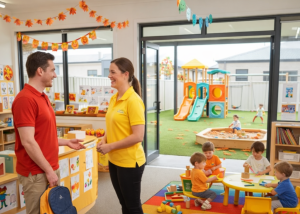
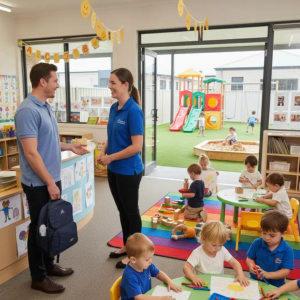
When you walk into Children’s Choice, you will feel the difference immediately. We pride ourselves on being more than just a childcare provider; we are a community hub where families and educators work together.
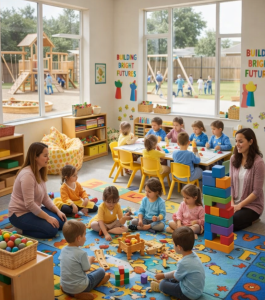
Our philosophy is built on the belief that children thrive when they feel secure, valued, and listened to. Children’s Choice provides safe, nurturing childcare and play-based early learning that supports children’s development and school readiness. Our environments are intentionally designed to spark curiosity, with spaces that encourage exploration, creativity, and social connection.
From our highly qualified, compassionate educators to our nutritious meal plans and engaging curriculum, every detail is designed with your child’s well-being in mind. We are committed to helping every child in our care build the resilience and independence they need for a bright future.
Addressing Common Concerns
It is natural to have reservations. Many parents worry, “Will my child be noticed?” or “Will they make friends?”
Transitioning to care is a big step. If your child struggles with separation anxiety, know that our educators are trained to provide the emotional support they need. We use gentle distraction, comfort, and engagement to help them settle. We also focus heavily on social facilitation, helping children learn how to navigate friendships, share, and resolve conflicts kindly.
If your child has specific individual needs,whether dietary, developmental, or emotional,a quality centre will work with you to create a care plan. You should never feel like you are imposing by advocating for your child; the right centre will welcome your input.
Children’s Choice: Nurturing Your Child’s Future
Making an informed decision about childcare takes time and research, but the effort is worth it when you see your child running happily into their centre each morning. You are laying the foundation for their future success and happiness.
By focusing on safety, genuine connection, and a rich learning environment, you can find a place that feels like an extension of your own family. Children’s Choice is honoured to be that place for so many families in Heritage Park, offering a supportive hand to hold as your little one takes their first big steps into the world.
FAQs About Selecting Childcare
How do I find the best childcare centre Heritage Park?
Start by visiting local centres and observing the interactions between staff and children. Look for a centre that prioritises safety, low educator-to-child ratios, and a play-based curriculum. Online reviews and word-of-mouth recommendations from other local families are also invaluable resources.
What makes a facility a leading childcare centre Heritage Park?
A leading centre stands out through its commitment to high-quality education and genuine care. They will have experienced staff, transparent communication with parents, and a clean, stimulating environment. They also adhere strictly to the National Quality Framework for early childhood education.
How does Children’s Choice support school readiness?
Children’s Choice integrates school readiness into everyday play. We focus on social skills, emotional resilience, independence, and literacy and numeracy basics. Our goal is to ensure children are confident and eager learners by the time they transition to “big school.”
What if my child has separation anxiety?
This is very common! At Children’s Choice, we work with you to create a comforting drop-off routine. Our educators provide extra cuddles and distraction techniques to help your child settle. We can also provide updates throughout the day to reassure you that your child is happy and engaged.
Why is a play-based curriculum important?
Play is how young children make sense of the world. A play-based curriculum allows children to explore concepts like problem-solving, mathematics, and language in a context that interests them. It fosters a love of learning and creativity that rote learning simply cannot achieve.