We all want to leave a healthy, thriving planet for the next generation. But sustainability in the early years is about more than just protecting the environment for the future; it is about enriching children’s lives right now. When children connect with the natural world, they learn to value it, understand it, and care for it.
At Children’s Choice, we believe that these early experiences shape the values children carry with them for life. By integrating sustainable practices into our daily routines, we provide safe, nurturing childcare and play-based early learning that supports children’s development and school readiness. It is a journey we take together,educators, children, and families,to create a cleaner, greener, and more thoughtful world.
Why Sustainability Matters in Childcare
You might wonder how much impact a toddler or preschooler can have on the environment. The truth is, early childhood is the most critical time for developing habits and attitudes. When sustainability is woven into their day, it becomes second nature to them.
Beyond the environmental impact, sustainable practices offer profound benefits for a child’s development and well-being. Spending time in natural environments and engaging with eco-friendly materials has been shown to reduce stress and anxiety in young children. It promotes cognitive growth by encouraging them to observe, question, and problem-solve. Furthermore, caring for plants, animals, and their surroundings helps children develop empathy and a sense of responsibility, skills that are essential for their social and emotional growth.
Key Sustainable Practices in Early Learning
Sustainability in a childcare setting is practical, hands-on, and visible. It is not just a policy tucked away in a folder; it is alive in the way the centre runs every day. Here are some of the key areas where we can make a difference.
Waste Reduction
Reducing waste is often the first step in a sustainable journey. In a childcare setting, this looks like encouraging “nude food” (packaging-free lunches), using cloth washers instead of single-use wipes where safe, and strictly sorting waste. It turns a simple act, like throwing away an apple core, into a learning moment about composting.
Energy and Water Conservation
Children are naturally curious about how things work. Teaching them to turn off the tap while washing hands or switching off lights when leaving a room empowers them to be guardians of resources. We also look at infrastructure, such as using rainwater tanks for our gardens and energy-efficient lighting throughout our centres.
Using Natural Materials
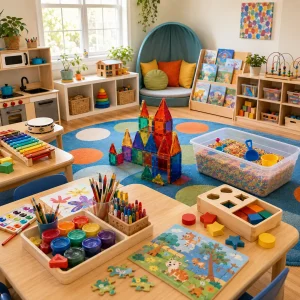
Plastic toys have been the standard for a long time, but there is a significant shift toward natural materials like wood, bamboo, stone, and cotton. Not only are these materials better for the planet, but they also reduce children’s exposure to potential toxins found in some plastics. Natural textures offer a richer sensory experience, calming the nervous system and inviting open-ended play.
Reusing and Upcycling Resources
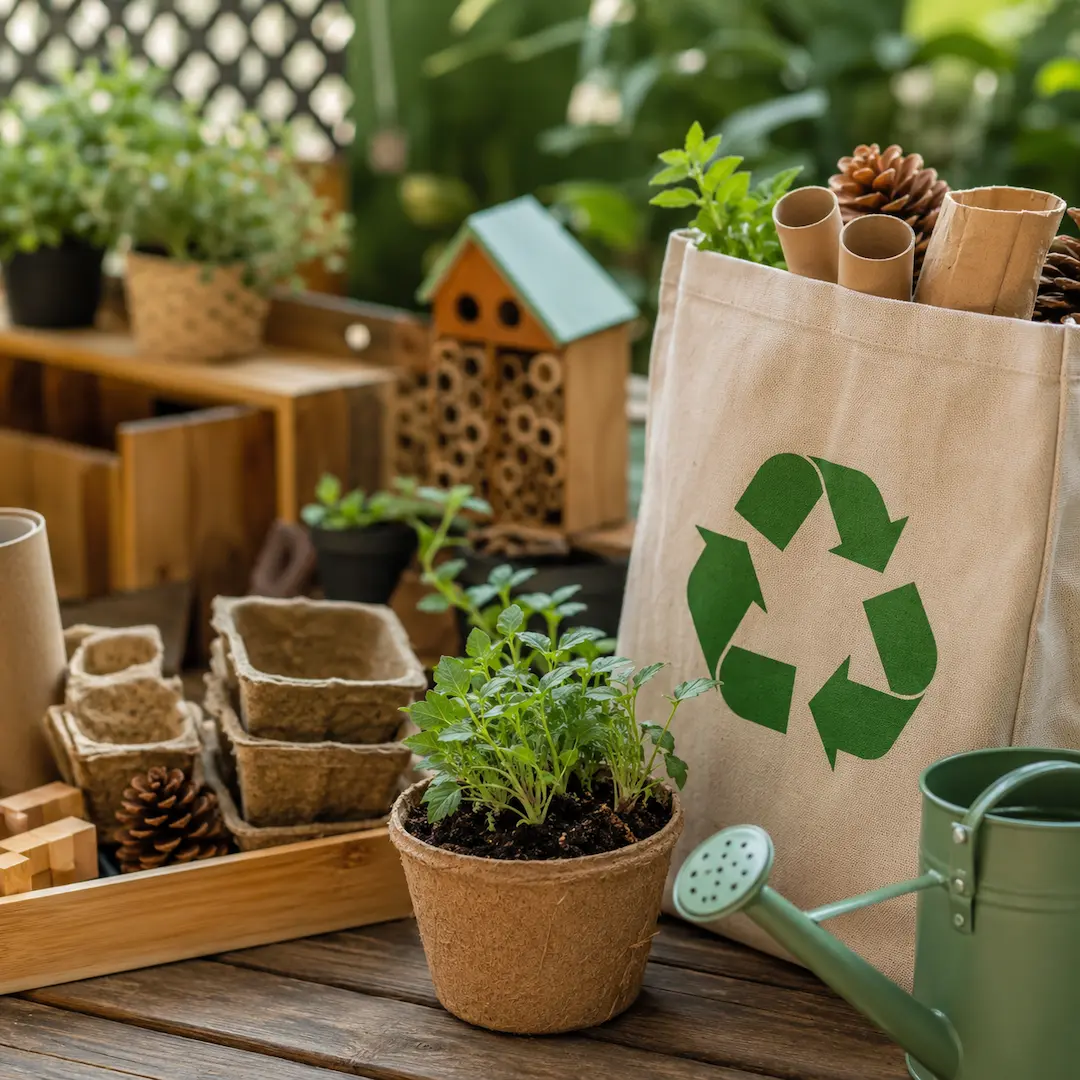
One person’s trash is a child’s treasure. Upcycling involves taking clean, safe “junk” materials,like cardboard boxes, fabric scraps, and clean containers,and using them for art and construction. This sparks incredible creativity. A cardboard box can become a rocket ship, a castle, or a car, teaching children that they don’t always need to buy something new to have fun.
Ensuring Clean Indoor Air
A healthy environment includes the air we breathe. Sustainable childcare centres prioritize indoor air quality by using non-toxic cleaning products, avoiding synthetic fragrances, and incorporating indoor plants that naturally purify the air. This protects developing lungs and supports better concentration and health.
The 7 Rs of Sustainability
To help children and families understand the scope of sustainability, we look beyond just “recycling” and embrace the 7 Rs. These principles guide our decisions and our curriculum.
- Respect: This is the foundation. We teach children to respect the Earth, Indigenous cultures and their connection to the land, and the diversity of life around us.
- Reduce: We actively look for ways to use less. This might mean using both sides of a piece of paper for drawing or being mindful of how much water we use in water play.
- Reuse: Before throwing something away, we ask, “Can we use this again?”
- Recycle: When we cannot reuse an item, we ensure it is sorted correctly so materials can be processed and made into new things.
- Repair: We teach children that broken toys or books can often be fixed with a little care, rather than instantly replaced.
- Refuse: We make conscious choices to say “no” to unnecessary packaging or single-use plastics entering our service.
- Reflect: We take time to think about our actions. We talk with the children about why we do these things and how it helps our world.
Children’s Choice: Embracing Sustainability
At Children’s Choice, sustainability is embedded in our philosophy. We strive to lead by example, ensuring that our centres are places where environmental responsibility is practiced every day. Whether we are reducing food waste through worm farms or choosing sustainable furniture, every decision is made with the future in mind.
We know that families are looking for high-quality care that aligns with their values. If you are searching for the best childcare centre Raceview has to offer, you will find that our commitment to green practices sets us apart. We create environments where children feel connected to the natural world.
Similarly, for families seeking the best childcare centre Raceview provides, our approach ensures that your child is learning in a space that prioritizes health, safety, and ecological awareness. We are proud to be a Leading childcare centre Raceview families trust, not just for our educational programs, but for the ethical way we operate. By choosing Children’s Choice, you are choosing a partner who cares as much about your child’s future world as you do.
Integrating Sustainability into the Curriculum
Sustainability isn’t a separate subject; it is part of everything we do. It is integrated into the curriculum through play and exploration.
- Gardening: Children plant seeds, water vegetables, and harvest produce. They learn where food comes from and the patience required to grow it.
- Outdoor Exploration: We spend ample time outdoors. Children explore the weather, insects, and trees, fostering a deep love for nature.
- Sensory Play: We use natural elements like sand, water, and mud, and incorporate upcycled materials into sensory bins.
- Storytelling: We read books that celebrate the earth and discuss environmental themes in a way that is hopeful and empowering, not frightening.
A Sustainable Future with Children’s Choice
Teaching children to care for the environment is one of the most important lessons we can offer. It builds character, resilience, and a sense of belonging. By embedding these practices into early childhood, we are helping to raise a generation that sees themselves as caretakers of the planet.
At Children’s Choice, we are honoured to be part of this journey with your family. Together, through small daily actions and big thoughtful decisions, we can ensure a bright, green future for our little ones.
FAQs
Why is sustainability important in childcare?
Sustainability in childcare teaches children respect for the environment early on. It supports holistic development, including empathy and responsibility. By interacting with nature, children reduce stress and build a foundation for lifelong eco-friendly habits.
How can childcare centers reduce waste?
Centres can significantly reduce waste by composting food scraps, establishing recycling stations, and avoiding single-use plastics. At Children’s Choice, we also encourage reusing materials for art projects, turning potential trash into creative learning tools.
What makes Children’s Choice the best childcare centre Ipswich has for sustainability?
As the best childcare centre Ipswich families trust, Children’s Choice integrates sustainability into our daily curriculum. From worm farms to energy conservation and using natural materials, we ensure our practices support both child development and environmental health.
How can parents support sustainability at home?
Parents can support these habits by involving children in recycling, gardening, or conserving water at home. Simple actions like turning off lights together or walking to the local park instead of driving reinforce the lessons your child learns at care.
What are the long-term benefits of teaching sustainability?
Teaching sustainability fosters critical thinking and social responsibility. When children at a leading childcare centre Raceview learn to care for their world, they grow into adults who make conscious, ethical choices, ensuring a healthier planet for future generations.