The early years of a child’s life are filled with rapid growth, discovery, and new milestones. As parents, navigating this time can feel both exciting and overwhelming. You want to ensure your little one is receiving the best possible care and support when they aren’t with you. This is where the relationship between you and your child’s educators becomes incredibly important. Strong, open communication isn’t just about exchanging information; it is about building a partnership that places your child’s well-being at the centre.
When parents and educators work together, children feel safer, more secure, and more confident to explore the world around them. At Children’s Choice, we believe that providing safe, nurturing childcare and play-based early learning that supports children’s development and school readiness starts with listening to families. We understand that you are your child’s first and most important teacher. By combining your deep knowledge of your child with our educators’ professional expertise, we create a consistent and supportive environment where your child can thrive.
Effective communication bridges the gap between home and care, ensuring that a child’s individual needs, interests, and cultural background are respected and integrated into their daily learning. Whether it is a quick chat at drop-off, a digital update, or a formal meeting, every interaction is an opportunity to strengthen the village raising your child.
Building a Foundation of Trust
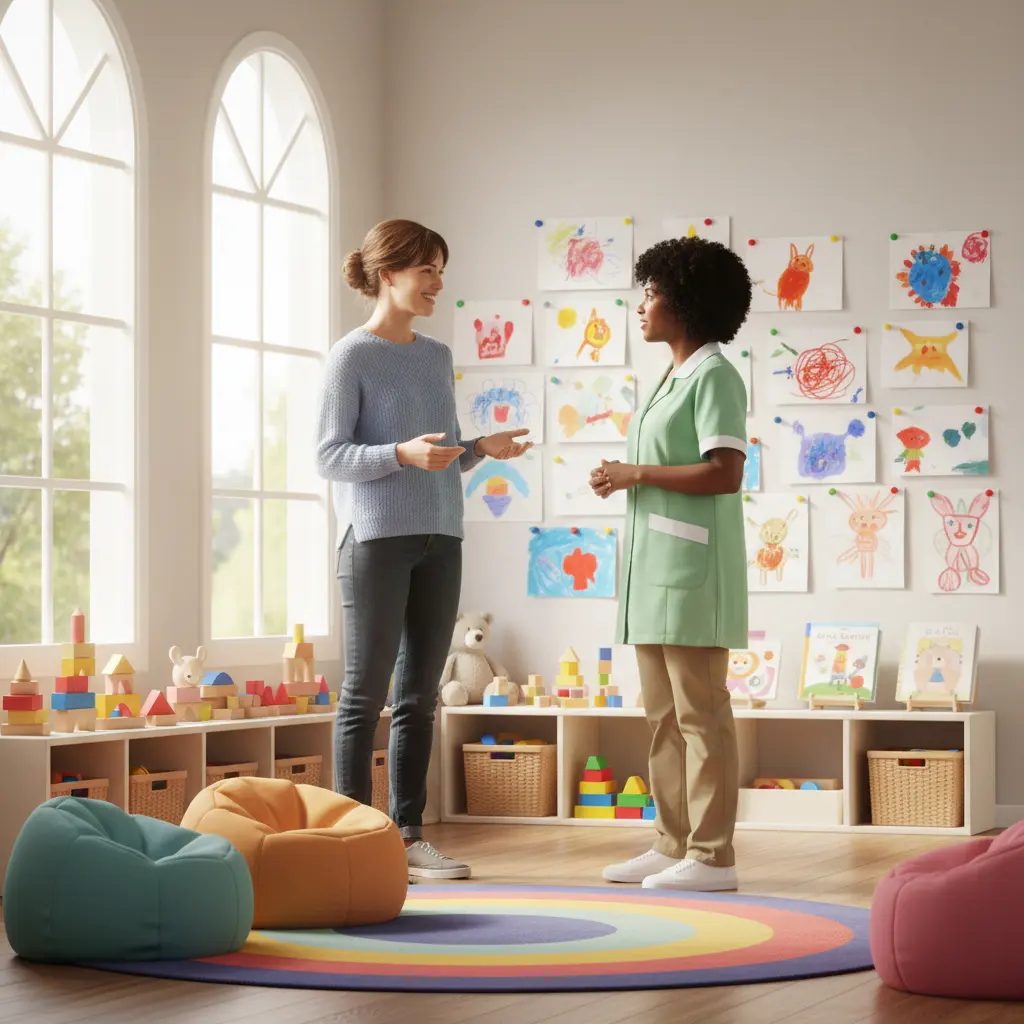
Trust is the cornerstone of any successful relationship, and the dynamic between parents and educators is no different. Building this trust takes time, consistency, and a genuine commitment to empathy. For many parents, leaving their child in care is a significant emotional step. Knowing that educators are not only qualified but also genuinely care about their child’s happiness creates a sense of relief and security.
Being respectful of each family’s unique values and expectations is vital. Educators must approach every conversation with the understanding that parents always have their child’s best interests at heart. When parents feel heard and respected, they are more likely to share crucial information about their child’s sleep patterns, emotional state, or changes at home. This transparency allows educators to tailor their care, providing extra cuddles or quiet time when a child might be feeling vulnerable.
Effective Communication Methods
Every family is different, and what works for one parent might not work for another. Some parents appreciate a detailed face-to-face conversation at pick-up, while others might prefer a digital update they can read on their commute. Recognizing and adapting to these preferences helps ensure that important information is actually received and understood.
In Australia’s diverse communities, it is also essential to be mindful of language barriers and cultural differences. Using simple, clear language without jargon ensures that everyone is on the same page. When English is a second language, leveraging translation tools or seeking the help of interpreters demonstrates a commitment to inclusion. It sends a powerful message: we value your voice, regardless of the language you speak.
Effective methods often include:
- Daily Journals or Apps: Sharing photos and brief updates about what the child ate, how long they slept, and what activities they enjoyed.
- Newsletters: Providing a broader view of what is happening in the centre, upcoming events, and educational focus areas.
- Informal Chats: The “hello” and “goodbye” moments are perfect for quick, positive anecdotes that build rapport.
Active Listening: The Key to Understanding
Communication is a two-way street, and often, listening is more important than speaking. Active listening involves fully concentrating on what the parent is saying rather than just passively hearing the message. It helps prevent misunderstandings and validates the parent’s feelings.
Educators practice active listening by making eye contact, nodding, and using affirming body language. It is also helpful to summarize and clarify information. For example, an educator might say, “So, what I’m hearing is that you’re concerned about how settling into a new sleep routine might affect his mood in the afternoons.” This technique ensures that the parent feels understood and gives them a chance to correct any misinterpretations. When parents see that their concerns are taken seriously, they feel more comfortable raising issues before they become larger problems.
Collaborative Problem-Solving
Challenges are a natural part of growing up. Whether it is biting, trouble sharing, or difficulty with toilet training, these hurdles are best navigated as a team. Collaborative problem-solving moves away from a “blame game” and focuses on finding solutions that work in the child’s best interests.
When approaching a challenge, it is helpful to view the parent and teacher as allies. Instead of saying, “Your child is being disruptive,” a collaborative approach sounds like, “We’ve noticed your child is having a hard time sitting still during story time. Have you noticed this at home? What strategies work for you?” This invites the parent to share their expertise and reinforces that the educator wants to support the child, not just manage behaviour.
Children’s Choice: Nurturing Partnerships
At Children’s Choice, fostering strong parent-teacher relationships is not just a policy; it is part of our culture. We recognize that to support a child’s development effectively, we must support the family as a unit. Our educators are trained to look for opportunities to connect with parents daily, celebrating small wins and milestones together.
We employ a variety of strategies to keep families engaged. From documenting learning journeys that showcase how a child is developing skills through play, to hosting family events that build community, our goal is transparency. We believe that when parents are informed and involved, the consistency between home and the centre improves, leading to better outcomes for the child.
Why Parents Are Partners
Parental involvement is one of the strongest predictors of a child’s success in early learning. When parents are viewed as true partners, the curriculum becomes richer and more relevant. Parents bring a wealth of knowledge about their child’s personality, interests, and learning style that educators simply cannot know on day one.
Recognizing the shared goal of child development shifts the dynamic from a service provider relationship to a genuine partnership. We both want the same thing: for the child to be happy, healthy, and learning. Appreciating the emotional investment parents have in their children allows educators to respond with kindness and patience, creating a warm environment where families feel they belong.
Strengthening the Home-School Connection
Building a strong bridge between home and care takes effort, but the rewards are immeasurable. When parents and teachers communicate effectively, children navigate their world with more confidence and joy. They see that the important adults in their lives respect and value one another, which models positive social relationships for them to emulate.
At Children’s Choice, we are honoured to be partners in your parenting journey. We encourage you to keep the dialogue open, ask questions, and share your stories. Together, we can create a nurturing environment where your child feels safe to learn, grow, and become their best self.

Frequently Asked Questions
How often should I expect updates on my child’s progress?
Consistent updates are key to peace of mind. While daily briefs cover immediate needs like meals and sleep, you should expect more detailed developmental updates regularly. This ensures you are always aware of milestones and how your child is engaging with the learning program.
How does Children’s Choice handle language barriers with families?
Children’s Choice is committed to inclusivity. We utilise translation tools, visual aids, and respectful patience to ensure families from all linguistic backgrounds are understood. We believe every parent deserves to be fully informed and involved in their child’s care journey.
What should I look for in the best childcare centre raceview has to offer regarding communication?
The best childcare centre Raceview families can choose is one that prioritises two-way dialogue. Look for a centre that doesn’t just talk at you, but asks for your input on your child’s goals. Open-door policies and transparent reporting are signs of high-quality care.
Why does a leading childcare centre heritage park prioritise daily digital updates?
A leading childcare centre Heritage Park parents trust understands that you miss your child during the day. Digital updates bridge that gap, allowing you to see their smiling face and know they are safe. It builds trust and allows you to ask questions in real-time about their day.
What if I have a specific concern about my child’s development at Children’s Choice?
At Children’s Choice, we encourage you to speak up immediately. We view your concerns as an opportunity to collaborate. We will arrange a private time to listen, discuss observations, and create a shared plan to support your child’s unique developmental path.