When your child turns two or three, it is normal to start thinking ahead. You may wonder how to help them feel ready for school without pushing formal lessons too soon. Many parents want to support learning at home, but they also want childhood to stay joyful, calm, and age-appropriate.
That is where early childhood education can make a real difference. Strong early learning is not about making young children sit still with worksheets or memorize facts before they are ready. It is about building the habits that help the brain grow well. Through warm relationships, repeated routines, play, language, and guided social experiences, children form the neural pathways that support future learning.
In the early years, these simple daily experiences shape much more than school readiness. They help children build attention, memory, communication, resilience, and self-control. These are the skills that support academic success over time.
At Children’s Choice, this journey is supported through nurturing care, intentional teaching, and play-based learning that respects how young children develop best. When families and educators work together, everyday moments can become the foundation for long-term success.
The Neuroscience of Early Habits
If you have ever watched your toddler ask for the same story five nights in a row or repeat the same game again and again, you have seen early brain development in action. Young children learn through repetition. What seems small or ordinary to adults often plays a major role in how the brain gets wired.
In the early years, the brain develops at a rapid pace. Neural connections form through repeated experiences, and those connections become stronger when children feel safe, engaged, and supported. Predictable routines, responsive caregiving, songs, conversations, and play all help build the systems that support memory, focus, and emotional regulation later on.
This is one reason routines matter so much. A regular morning pattern, a familiar mealtime rhythm, or a consistent bedtime routine gives children more than comfort. It gives their brains a clear structure. Over time, repeated positive experiences become the blueprint for how children respond to learning, stress, and change.
The Australian Department of Education’s Early Years Learning Framework reflects this same understanding. It highlights how belonging, being, and becoming are central to early development and future learning.
At Children’s Choice, routines are not treated as a rigid schedule. They are used as a thoughtful framework that helps children feel secure, capable, and ready to engage. That sense of safety supports stronger learning every day.
Emotional Habits: The True Foundation for Learning
Tantrums, tears, frustration, and big reactions are part of early childhood. They can be exhausting, especially when you are trying to help your child calm down while also managing the rest of the day. But these moments are not signs that something is wrong. They are signs that your child is still learning how to understand and manage emotions.
Emotional regulation is not an inborn skill that appears on its own. Children develop it slowly through support, modeling, and practice. Before a child can fully focus in a group setting, follow multi-step instructions, or persist with a challenge, they need help learning how to cope with disappointment, wait, recover from upset, and express needs with words.
These emotional habits are deeply connected to learning. A child who feels overwhelmed may struggle to listen, remember directions, or join in confidently. A child who can begin to name feelings and ask for help is better able to stay engaged and connected.
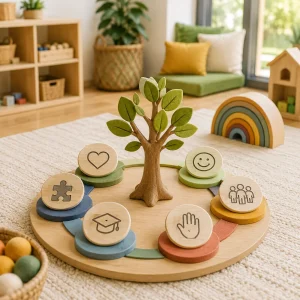
Empathy matters too. When children start to notice how others feel, they build the social awareness needed for friendship, cooperation, and classroom participation. These are not extra skills. They are part of the foundation for academic growth.
At Children’s Choice, educators support emotional development in intentional ways. They help children put feelings into words, practice calming strategies, and build trust through warm, respectful relationships. Over time, children learn that emotions are manageable, communication is powerful, and support is available. That creates calmer classrooms and more confident learners.
Social Habits for Confident Classrooms
Sharing, turn-taking, and working through conflict rarely come naturally at first. Most young children need many chances to practice these skills. That is why peer interaction matters so much in the early years.
When children play with others, they learn far more than how to pass a toy back and forth. They begin to understand personal space, fairness, patience, listening, and negotiation. They also learn that other people may think, feel, and respond differently from them. This is a major step in social and emotional growth.
Strong early social habits can support later academic success in powerful ways. Children who learn to cooperate, follow group expectations, and build positive relationships often find the school environment easier to navigate. They are more likely to join in, ask questions, and feel comfortable participating.
The Australian Institute of Family Studies offers useful insight into child development and family wellbeing, including the value of healthy relationships and social connection in early childhood.
At Children’s Choice, social learning is woven into the day through play-based experiences, guided group activities, and educator support during everyday interactions. Whether children are building together, solving a disagreement, or learning to wait for a turn, they are developing the confidence and cooperation skills that help classrooms feel safe and connected.
Cognitive Habits That Spark Curiosity
One of the most exciting things to watch in early childhood is deep curiosity. A child lines up blocks to see what happens. They ask why the moon follows the car. They study a bug in the garden as if it is the most important thing in the world. These moments matter because curiosity drives learning.
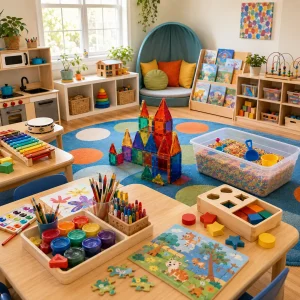
Cognitive development in the early years grows through active exploration. Daily reading, storytelling, singing, pretend play, puzzles, and open-ended materials all help children build vocabulary, memory, reasoning, and problem-solving skills. These habits do more than prepare children for school tasks. They teach children how to think.
Inquiry-based learning is especially powerful because it encourages children to ask questions, test ideas, and stay engaged. Instead of focusing only on right answers, it helps children become flexible thinkers. That mindset supports long-term success in literacy, numeracy, and beyond.
Reading is one of the strongest daily habits families can build. Even a short shared story each day expands language, strengthens attention, and supports comprehension. Talking during reading matters too. When you pause to wonder aloud, ask simple questions, or connect the story to your child’s life, you help deepen understanding.
The Australian Government Department of Health and Aged Care also provides helpful information related to child health and development, which supports learning readiness in the early years.
At Children’s Choice, cognitive growth is encouraged through rich conversations, hands-on discovery, books, creative play, and learning experiences that follow children’s interests. This approach helps children build both skills and a genuine love of learning.
Daily Routines That Create Stability
For many families, the hardest parts of the day are not the big moments but the repeated transitions. Getting out the door in the morning, winding down at night, or moving from one activity to another can bring stress for both children and adults. That is why predictable routines are so valuable.
Children thrive when they know what comes next. Consistent routines lower anxiety and give children a sense of control. They also reduce the mental load of constant uncertainty, which frees up energy for attention, learning, and self-regulation.
Sleep is a major part of this picture. Well-rested children are better able to manage emotions, remember information, and stay engaged during the day. Physical activity matters too. Outdoor play supports coordination, focus, health, and mood. Together, sleep and movement help create the conditions for learning.
Queensland Health provides useful health guidance for families, including information that supports healthy daily routines for young children.
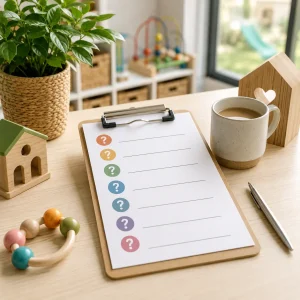
Simple routines often work best. A visual morning checklist, a regular bedtime sequence, daily outdoor play, and consistent mealtimes can all help children feel secure. These patterns do not need to be perfect. They just need to be steady enough that children can rely on them.
At Children’s Choice, daily routines are designed to create that same sense of stability. Children know they will be welcomed warmly, supported through transitions, and guided through a balanced day that includes play, rest, movement, connection, and learning.
The Long-Term Impact on Academic Success
Parents often want reassurance that the small efforts they make now will matter later. The good news is that they do. The early habits children build before school age can shape how they approach learning for years to come.
When children develop emotional regulation, they are better able to manage classroom demands. When they build social confidence, they can form friendships and participate more fully. When they grow cognitive habits such as listening, questioning, observing, and persisting, they are better prepared for reading, problem-solving, and independent learning.
Academic success is not built on one skill alone. It grows from a network of abilities that support one another. A child who can stay calm, work with others, and focus on a task is in a stronger position to learn new concepts and enjoy the process of learning.
This is why early childhood education has such lasting value. It supports the whole child, not just isolated school skills. By investing in the early years, families help create a strong base for confidence, adaptability, and future achievement.
At Children’s Choice, that long view is part of the daily approach. The goal is not simply to prepare children for the next stage. It is to help them develop the habits, confidence, and wellbeing that support them far beyond it.
Conclusion
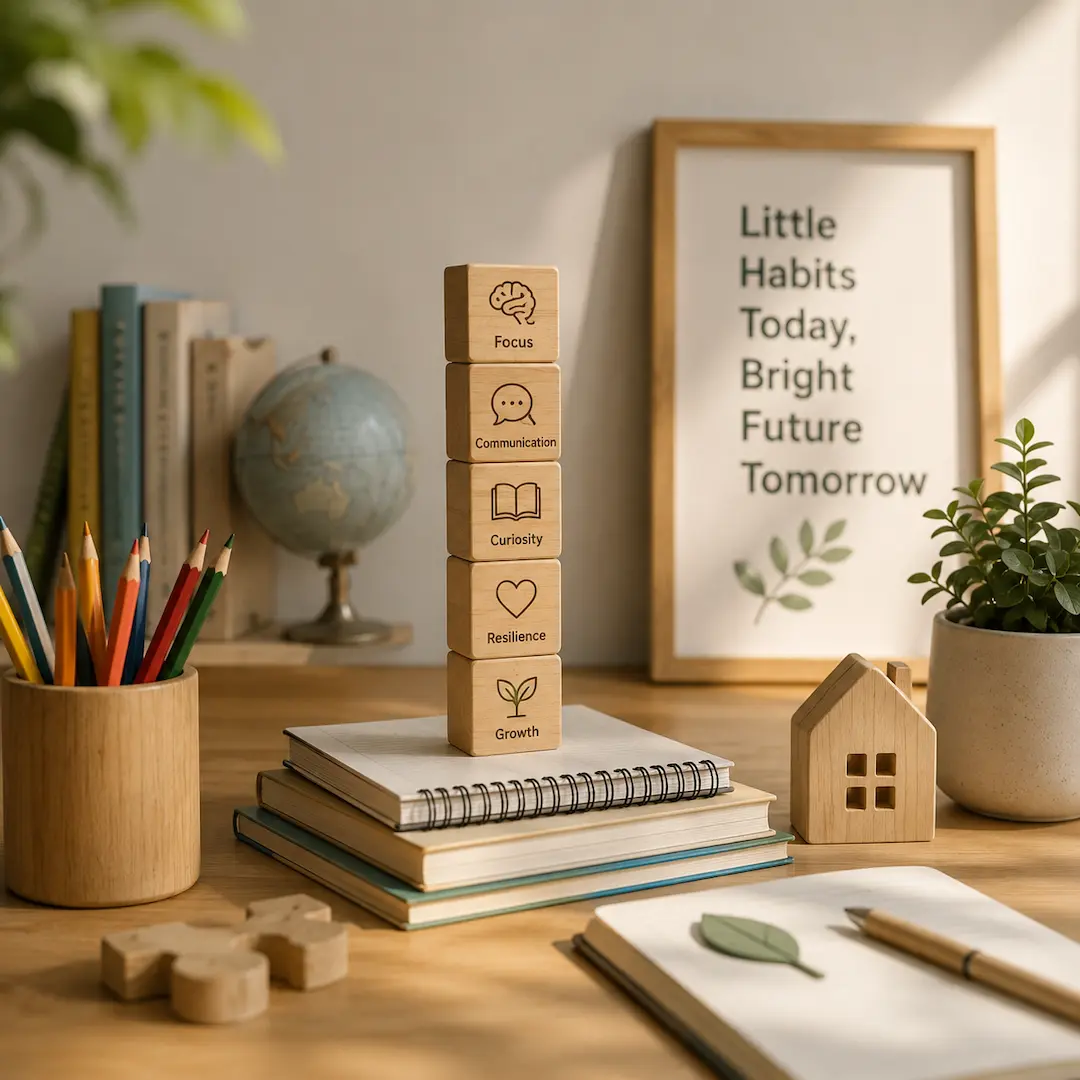
Long-term academic success starts with everyday habits formed early in life. Cognitive, social, and emotional development are deeply connected. A child who feels safe can explore. A child who can regulate emotions can focus. A child who can cooperate with others can participate more fully in learning.
That means the little things matter. Reading a story together, following a bedtime routine, helping your child name a feeling, or guiding them through a disagreement over a toy all contribute to future learning. These repeated moments build the habits that support school readiness and long-term growth.
At Children’s Choice, children are supported through nurturing relationships, predictable routines, and play-based learning that helps them thrive across every area of development. If you want to see how this approach can support your child’s early learning journey, book a tour with Children’s Choice and explore the difference a caring, high-quality early learning environment can make.
FAQs
What are some examples of early learning habits?
Early learning habits include maintaining consistent routines, encouraging curiosity, fostering a love for reading, promoting self-discipline, and engaging in play-based learning activities.
How do nurturing relationships support academic success?
Nurturing relationships provide children with a stable emotional foundation, build confidence, and create a safe environment to explore, learn, and grow.
Why is play-based learning important for young children?
Play-based learning encourages creativity, critical thinking, and social skills. It allows children to learn naturally through exploration and problem-solving.
How can parents support early learning at home?
Parents can support early learning by establishing daily routines, reading together, playing educational games, and maintaining open communication to foster a positive learning environment.
What role does consistency play in early learning habits?
Consistency helps children feel secure and develop self-discipline. Regular routines establish predictable patterns that promote focus and better learning outcomes.
Are early learning habits effective for long-term success?
Yes, early learning habits provide children with skills such as adaptability, responsibility, and a growth mindset, which are essential for academic and personal success throughout life.
How can play and academics be integrated?
Play and academics can be integrated through hands-on activities, interactive games, and creative projects that align with educational objectives, making learning fun and engaging for children.