Watching a young child insist on putting on their own shoes or pouring their own drink can be both heartwarming and messy. These small moments matter. They are often the first signs that a child is building independence, confidence, and trust in their own abilities.
That is why early learning matters so much. High-quality early learning centres do more than supervise children during the day. They create safe, supportive spaces where children can practice making choices, solving problems, and doing more for themselves at a pace that feels right.
In this article, you’ll learn:
- why independence is a key part of early childhood development
- how play-based learning supports autonomy
- how educators guide children without taking over
- what families can do to support independence at home
Why Indepeandence Matters in Early Childhood
Independence is not something children simply “have” or “don’t have.” It develops over time through repetition, encouragement, and the chance to try things on their own. In the early years, even simple tasks can help build this skill.
When children are encouraged to make age-appropriate choices, they begin to understand that their actions have meaning. They learn to trust themselves. That trust can support emotional wellbeing, resilience, and readiness for school.
The Australian Government’s Starting Blocks website is a helpful resource for families who want to better understand child development and what children may be learning in early education settings.
The Shift Parents Often Notice
Many parents see a clear change during the toddler and preschool years. A child who once relied on adults for everything may suddenly want to feed themselves, pack away toys, or choose what to wear.
This shift is a healthy part of development. It shows that children are becoming more aware of themselves as capable people. With the right support, that natural drive can grow into lasting self-confidence.
What Independence Really Builds
When children practice independence, they are not just learning how to do tasks alone. They are also developing a wider set of life skills, including:
- decision-making
- problem-solving
- emotional regulation
- persistence
- self-help skills
- confidence in new situations
These skills support children not only in early learning but also as they move toward school and beyond.
How Early Learning Centres Support Independence
A strong early learning environment gives children regular chances to take safe risks, make choices, and learn through experience. This happens through routines, play, relationships, and thoughtful educator support.
The best centres do not rush children. Instead, they create a setting where independence grows in small, steady steps.
Fostering Autonomy Through Free Play
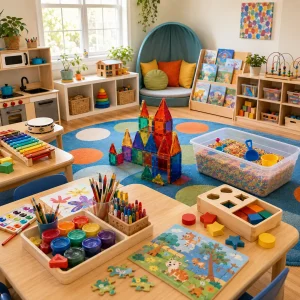
Free play may look simple from the outside, but it plays a big role in child development. When children choose what to play, who to play with, and how to use materials, they are practicing independence in real time.
This kind of play helps children test ideas and respond to challenges on their own. If a tower falls over or a game does not go as planned, they learn to adapt. Those moments build persistence and flexible thinking.
Play-based learning is also supported across Australia’s early childhood quality framework. Families can learn more through the Australian Children’s Education & Care Quality Authority (ACECQA), which provides information on quality standards and early learning practice.
What Children Learn During Free Play
Through open-ended play, children often learn how to:
- make choices without constant adult direction
- solve small problems independently
- manage frustration
- negotiate with others
- explore personal interests
- build focus and creativity
These are powerful foundations for independence because the child is actively leading the experience.
How Educators Guide Without Taking Over
One of the most valuable things an educator can do is know when to step back. Adults naturally want to help when a child struggles. But when support comes too quickly, it can remove the chance for growth.
Skilled educators act as guides rather than directors. They stay close, observe carefully, and offer support that matches the child’s needs. This might mean giving a gentle prompt, asking an open question, or simply waiting a little longer before stepping in.
That balance matters. Children feel secure because help is available, but they also get the chance to discover what they can do for themselves.
Examples of Gentle Guidance
In an early learning setting, an educator may support independence by:
- encouraging a child to try zipping their jacket before helping
- asking, “What do you think comes next?” during a task
- giving children time to clean up after play
- offering choices between two activities
- helping children name feelings instead of fixing every conflict for them
These simple approaches teach children that effort matters and that they are capable of working through challenges.
The Emotional Impact of Praising Effort
Independence does not grow from success alone. It also grows from trying, making mistakes, and trying again. That is why the way adults respond is so important.
When praise focuses only on results, children may start to believe they are valued only when they get things right. But when adults notice effort, persistence, and problem-solving, children are more likely to keep going even when something feels hard.
For example, saying “You kept trying until you did it” can be more helpful than saying “Good job.” It shows the child what they did well and reinforces the process, not just the outcome.
The Australian Government’s Department of Education offers broader information about early childhood education and the importance of supportive learning environments for young children.
Why This Builds Confidence
Process-based encouragement helps children:
- feel safe making mistakes
- build motivation from within
- develop resilience
- take on new challenges with less fear
- understand that learning takes time
This mindset is one of the strongest building blocks for healthy independence.
Why Routine Also Matters
Children build independence more easily when they know what to expect. Predictable routines help them feel secure, and that sense of safety gives them the confidence to try things on their own.
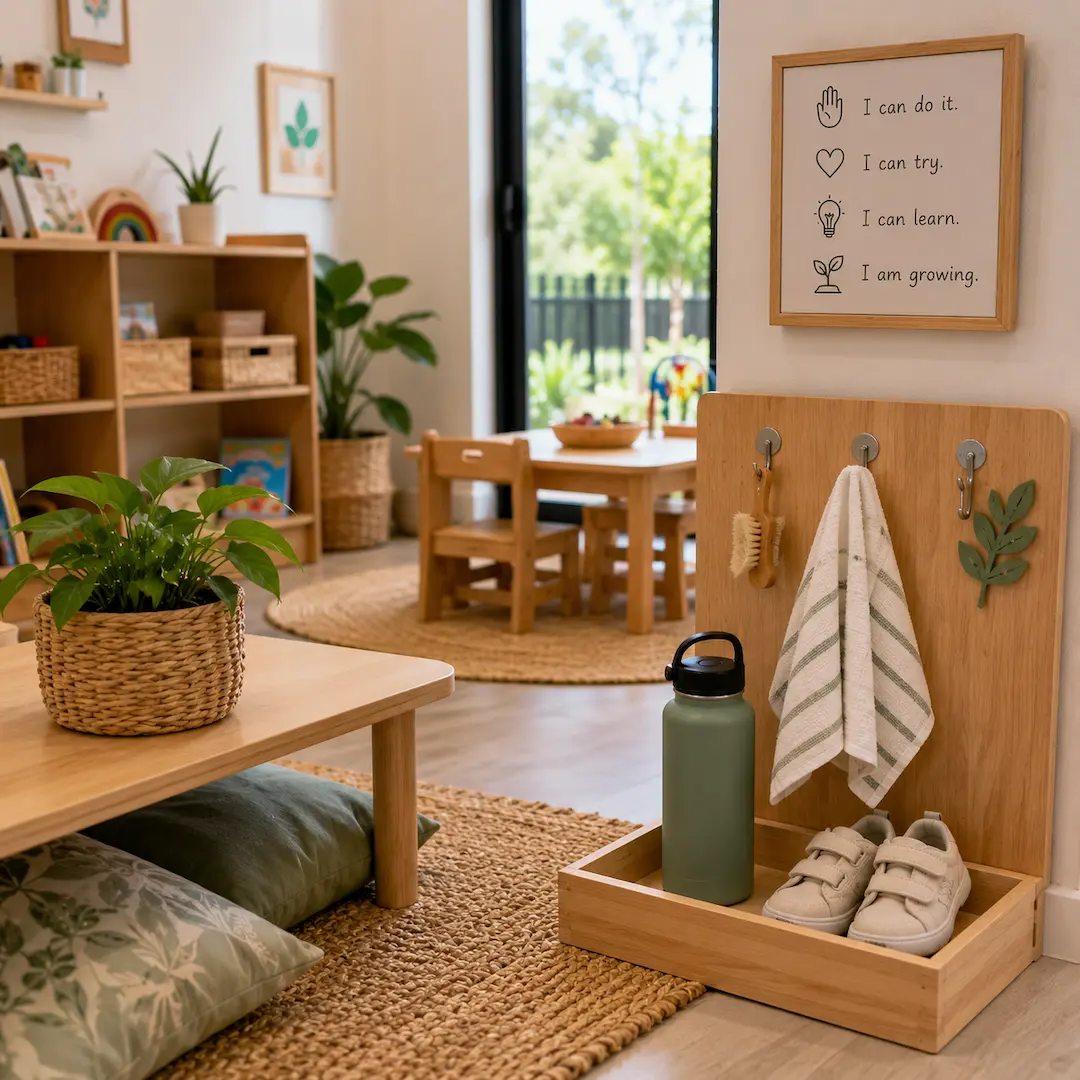
In early learning centres, routines often include arrival, meals, toileting, transitions, rest, and pack-up time. These everyday moments are rich with learning. Children begin to understand the flow of the day and take part more actively.
Over time, they may learn to:
- put away their belongings
- wash hands without reminders
- serve parts of their meal
- follow simple group routines
- transition between activities with more confidence
These small wins add up. They help children feel capable in a shared environment.
Partnering With Families at Children’s Choice
Children make the strongest progress when home and early learning work together. Families and educators each bring important insight, and consistency between both settings can make independence easier for a child to develop.
At Children’s Choice, this partnership matters. Educators support children in ways that respect their age, temperament, and stage of development. They also understand that parents want care that feels warm, safe, and aligned with what they value at home.
When families and educators share goals, children receive a clear and steady message: you are supported, you are capable, and it is okay to try things for yourself.
What Partnership Can Look Like
A strong family-centre partnership may include:
- sharing updates about new skills a child is practicing
- using similar language around routines and encouragement
- talking about challenges calmly and early
- setting realistic expectations for self-help tasks
- celebrating progress together
This kind of teamwork helps children move between home and care with greater confidence.
Common Mistakes to Avoid When Building Independence
Parents and educators both want to help, but some common habits can slow independence down without meaning to.
Here are a few to watch for:
- Doing tasks too quickly for the child: This saves time in the moment, but it removes practice.
- Expecting too much too soon: Independence grows in stages, not all at once.
- Praising only outcomes: This can create pressure instead of confidence.
- Stepping in at the first sign of struggle: Mild frustration is often part of learning.
- Offering too many choices: A few simple options are better than overwhelming a child.
The goal is not to leave children to figure out everything alone. The goal is to give enough support for success while still leaving room for growth.
A Quick Checklist for Parents
If you want to encourage independence in your child, start with simple, repeatable opportunities.
You can support this growth by:
- letting your child try age-appropriate tasks before helping
- building routines they can learn and follow
- giving limited choices during the day
- praising effort, persistence, and problem-solving
- allowing extra time for self-help skills
- staying calm when mistakes happen
You may also find useful family resources through healthdirect, a government-supported service with practical health and child wellbeing information.
Supporting Your Child’s Journey
Independence grows through small, everyday experiences. It develops when children are given the chance to choose, try, make mistakes, and try again in a safe and caring environment. Early learning centres play an important role in that process by combining play, routine, emotional support, and thoughtful guidance.
For parents, the key is not perfection. It is consistency. When children receive the same gentle encouragement at home and in care, they build the confidence to do more for themselves over time. At Children’s Choice, that growth is supported through warm relationships, age-appropriate learning, and a strong partnership with families.
FAQ’s
How do early learning centres help children become more independent?
Early learning centres help children build independence by giving them safe, age-appropriate chances to make choices, solve simple problems, and complete everyday tasks on their own. This can include packing away toys, washing hands, choosing activities, serving food, or trying to dress themselves. With gentle guidance from educators, children learn that they are capable, which supports confidence, resilience, and school readiness over time.
At what age do children start developing independence?
Children usually begin showing signs of independence during the toddler years, often by wanting to do simple tasks without help. However, independence develops gradually and looks different for every child. Some children may confidently make choices early, while others need more reassurance and time. Early learning centres support this process by matching tasks and expectations to each child’s age, development, and comfort level.
Why is play-based learning important for independence?
Play-based learning is important because it allows children to take the lead in their own experiences. During free play, children choose what they want to do, test ideas, handle small setbacks, and explore solutions without constant adult direction. This helps them build problem-solving skills, decision-making ability, creativity, and persistence. Over time, these experiences strengthen a child’s confidence in their own abilities.
How do educators encourage independence without pushing children too hard?
Skilled educators support independence by offering encouragement without taking over. They observe each child closely, step in only when needed, and provide just enough help to keep the child feeling safe and supported. For example, an educator might ask a guiding question, model one step of a task, or give the child extra time to try again. This balanced approach helps children grow at a pace that feels manageable rather than stressful.
What are some signs that a child is becoming more independent?
There are many small signs that show a child is building independence. A child may start making simple choices, attempting tasks before asking for help, following routines more confidently, managing transitions better, or showing pride after completing something alone. They may also become more willing to solve minor problems, communicate their needs, and recover from frustration more easily. These everyday moments are often strong indicators of healthy growth.
How can parents support independence at home?
Parents can support independence at home by creating simple opportunities for children to do things for themselves. This may include letting them help with dressing, tidying toys, washing hands, choosing between two outfits, or assisting with basic meal routines. It also helps to allow extra time, praise effort instead of only results, and stay calm when mistakes happen. Consistency between home and early learning settings can make this progress even stronger.
Can building independence improve school readiness?
Yes, building independence can strongly improve school readiness. Children who are encouraged to do things for themselves often develop confidence, emotional regulation, problem-solving skills, and the ability to manage simple routines. These skills can help them adjust more smoothly to a school environment, follow instructions, interact with peers, and approach new experiences with greater confidence. Independence does not mean doing everything alone; it means having the confidence to participate, try, and learn.