Key Takeaways
Practical, warm tips for families preparing a young child for long days in extended hours care, from sleep and routine to drop-offs and meals.
- Good sleep is the single biggest thing that helps a child manage a long day well.
- A predictable morning and evening routine at home makes the centre’s day feel familiar.
- A comfort item from home gives a child an anchor across the longer day.
- Calm, brief drop-offs settle a child faster than long, anxious goodbyes.
- Talking with educators about your child’s cues keeps the long day working as they grow.
How to Prepare Your Child for Long Days in Care
The best way to prepare your child for long days in extended hours care is to build steady routines at home before the long days begin, so the centre’s rhythm feels like an extension of what your child already knows. Preparation is not about toughening a child up. It is about giving them the predictability and comfort that let a longer day feel safe.
This guide is for families using, or about to use, extended hours childcare who want their child to settle well across a day that runs from early morning to evening. The tips below are practical and small, the kind of things that add up to a child who arrives calm and goes home settled.
None of this asks much of you or your child. Steady sleep, a familiar routine, a comfort item, unhurried goodbyes, and open conversation with educators do most of the work. The Raising Children Network’s guidance on settling and routines backs up the same simple principles.
Why Does Sleep Matter Most for Long Days?
Sleep is the single biggest factor in how well a child copes with a long day, because a well-rested child regulates their emotions, energy and attention far better than a tired one. Get sleep right and most other challenges shrink.
For a long day that starts early, this means protecting a consistent bedtime the night before, even when the morning start is early. A child heading into a 6:30am drop-off needs their sleep bank full, not stretched. Aim for an age-appropriate amount of night sleep and keep the bedtime routine steady.
Rest during the day matters just as much. A good centre builds a proper nap or quiet time into the long day, which is why the afternoon does not collapse into overtiredness. Our guide on the importance of sleep for children explains how night sleep and daytime rest work together to carry a child through a longer day.
How Do You Build a Routine That Prepares Your Child?
Build a predictable morning and evening routine at home, because a familiar rhythm at each end of the day makes the long centre day feel like a natural continuation rather than a jolt. Children lean on routine to feel secure.
A simple, repeatable morning sequence helps most: wake, dress, breakfast, a calm goodbye. Keep the order the same each day so your child knows what comes next, even on an early start. In the evening, a steady wind-down after pick-up, with a meal, quiet time and a consistent bedtime, closes the long day gently.
The closer your home routine mirrors the calm structure of the centre, the more seamless the day feels. Our guide on creating calm daily routines for young children offers a simple template, and our explainer on how extended hours childcare works shows the centre-side rhythm your home routine can align with.
What Practical Steps Help a Child Settle Into Long Days?
A handful of small, concrete steps do most of the work in helping a child settle into long days. These are the practical moves I recommend to families starting extended hours care.
- Protect night sleep. Keep a consistent bedtime so your child starts each long day well-rested.
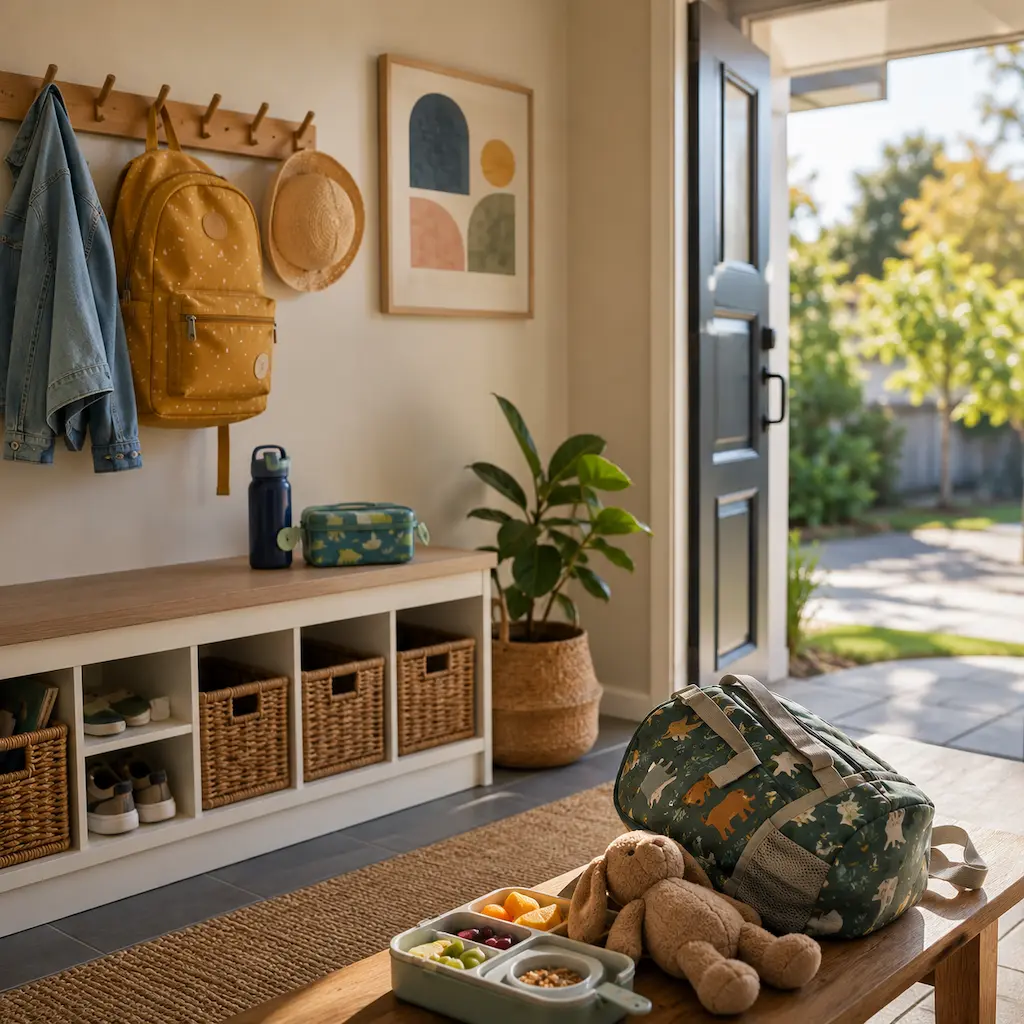
- Pack a comfort item. A familiar toy, blanket or family photo gives your child an anchor across the day.
- Keep drop-offs calm and brief. A short, confident goodbye settles a child faster than a long, anxious one.
- Talk about the day. Describe the rhythm in simple terms so the day feels known before it starts.
- Ease in gradually. Use a short settling-in period so long days feel normal before you rely on them.
- Feed well and hydrate. A good breakfast and a labelled water bottle help energy and mood hold across the day.
A comfort item deserves special mention. For young children, a small familiar object bridges home and centre, and it is one of the simplest ways to steady a long day. Our guide on easing daycare drop-off anxiety has more on making goodbyes gentle.
Common Mistakes Families Make Preparing for Long Days
The most common mistake is a long, drawn-out goodbye at drop-off. It feels loving, but it often heightens a child’s anxiety rather than easing it. A warm, brief, confident goodbye tells your child the day is safe and predictable.
A second mistake is letting bedtime slip because the early start feels far away. Short-changed night sleep is the fastest way to make a long day hard. Guard the bedtime even when mornings are early.
The third mistake is not sharing your child’s cues with educators. Nobody knows your child like you do. Telling their key educator about tiredness signs, favourite comforts or settling tricks helps them support your child across the long hours, and it is exactly the kind of partnership a good centre welcomes.
How Should You Work With Educators on Long Days?
Work with educators as a team, because the long day works best when what happens at home and at the centre reinforce each other. Consistent educators who know your child’s routine and cues can carry that knowledge across the whole day.
Share the practical details early: how your child settles, what comforts them, their tiredness signals, and any changes at home. Ask how the centre structures rest, meals and the evening wind-down so your home routine can align. This two-way communication is a hallmark of quality care, and the National Quality Framework overseen by ACECQA expects it.
As your child grows, keep the conversation going, since a two-year-old’s needs across a long day differ from a four-year-old’s. The broader developmental picture is covered in our piece on how extended hours childcare supports child development.
Helping Your Child Thrive, Not Just Cope
Preparing your child for long days is really about helping them thrive across the day, not just get through it. Steady sleep, a familiar routine, a comfort item, calm goodbyes and a strong partnership with educators turn a long day into a secure, well-paced one.
None of these steps is hard, and none asks your child to grow up faster than they should. They simply give a young child the anchors they need to feel at home across a longer day.
If you would like to talk through how to prepare your child for the specific rhythm of our day, you are welcome to reach out to Children’s Choice or contact our team to learn more about our early learning programs.
Frequently Asked Questions
How do I prepare my child for a long day in childcare?
Build steady routines at home before the long days start. Protect night sleep, keep a predictable morning and evening rhythm, pack a comfort item, keep drop-offs calm and brief, and ease in gradually. Sharing your child’s cues with educators helps them support your child across the whole day.
How much sleep does my child need for early starts?
Your child needs an age-appropriate amount of consistent night sleep, protected even when mornings are early. A well-rested child regulates emotions and energy far better across a long day. A proper nap or quiet time during the day, which good centres build in, carries them through the afternoon.
Should I send a comfort item to childcare?
Yes, for many young children a comfort item helps. A familiar toy, blanket or family photo bridges home and the centre and gives your child an anchor across a longer day. Check the centre’s policy on comfort items, and label anything you send so it stays with your child.
Is a long day too much for a young child?
Not when the day is well-structured and your child is well-prepared. A good extended day includes rest, meals and calmer periods, and a child supported with steady sleep and routine copes well. Quality of care matters far more than length, as family research consistently shows.
How can I make drop-offs easier for long days?
Keep goodbyes short, warm and confident. A long, anxious goodbye often heightens a child’s distress, while a brief, reassuring one signals the day is safe. A comfort item and a predictable morning routine help, and a short settling-in period lets long days feel familiar before you rely on them.