Watching a young child insist on doing something “all by myself” can be both heartwarming and testing. One minute you feel proud, and the next you are trying to find patience while they wrestle with a shoe or spill water while pouring their own drink. Still, these everyday moments matter more than they may seem. They are often the first signs that a child is developing the confidence, curiosity, and self-belief needed to become an independent learner.
Independent learning in the early years does not mean expecting children to manage on their own. It means giving them safe chances to make choices, solve small problems, and build practical skills with caring support nearby. When children learn this way, they begin to trust themselves. That trust shapes emotional wellbeing, resilience, and readiness for school.
In this guide, you will learn:
- what independent learning looks like in early childhood
- practical ways to encourage it at home
- how educators support it through play, routines, and relationships
- why early independence supports long-term confidence and school readiness
At Children’s Choice, this approach is part of everyday early learning. Our educators know that each small step toward independence helps build a stronger foundation for future growth.
Defining Independent Learning in Early Childhood
Independent learning is often misunderstood. It is not about stepping back completely or expecting young children to “figure it out” alone. In early childhood, independent learning means helping children take an active role in their own learning within safe, predictable boundaries.
A child choosing a puzzle, deciding which book to read, or trying a new way to stack blocks is already practicing independence. These moments may seem simple, but they teach children that their ideas matter. They also show children that learning is something they can participate in, not just something that happens to them.
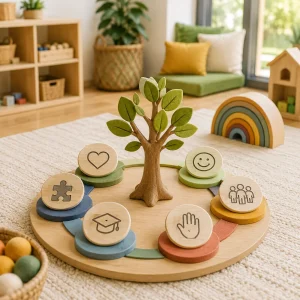
This matters because early independence supports more than practical skills. It helps children build confidence, emotional regulation, and persistence. When a child learns to make age-appropriate choices, cope with small frustrations, and try again after a setback, they are developing habits that support later success in kindergarten and school.
At Children’s Choice, educators use predictable routines and responsive guidance to help children feel secure enough to explore. That sense of safety is important. Children are more likely to try, question, and solve problems when they know a trusted adult is there to support them.
Strategies for Fostering Independence
Helping children become independent learners starts with everyday choices, not big milestones. The goal is to create small, repeated opportunities for ownership, responsibility, and curiosity.
Empowering Through Choice and Self-Directed Learning
Choice is one of the clearest ways to build independence. When children are allowed to choose between activities, books, materials, or even snacks, they begin to see themselves as capable decision-makers.
This does not mean giving unlimited freedom. Young children do best with simple, clear options. For example, you might ask, “Would you like to draw or build with blocks?” or “Do you want the red cup or the blue one?” Bounded choices help children practice decision-making without feeling overwhelmed.
At Children’s Choice, child-led learning is a key part of the day. Educators observe each child’s interests and create opportunities for exploration through play. When children help guide their learning, they are often more engaged and more willing to persist with challenges.
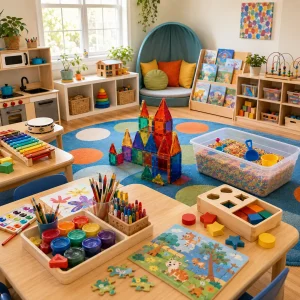
You can apply the same idea at home by setting up a safe, accessible play area. Place a few toys, books, and art materials within reach so your child can choose what to explore. Rotate options from time to time to keep the space fresh without creating clutter or too many choices.
Cultivating Problem-Solving and Critical Thinking
It is natural to want to fix problems quickly for young children. If a tower falls or a zipper gets stuck, stepping in can feel like the easiest path. Yet when adults solve every small problem right away, children miss valuable chances to think, try, and learn.
A better approach is gentle guidance. Instead of taking over, ask simple questions such as, “What could we try next?” or “How might we make it stronger?” These questions encourage children to pause, reflect, and test ideas.
This matters because problem-solving builds resilience. Children learn that frustration is not the end of the task. It is simply part of learning. Over time, they become more willing to stick with a challenge rather than give up at the first sign of difficulty.
Open-ended toys are especially useful here. Blocks, loose parts, art materials, and pretend play items do not have one fixed outcome. They invite trial and error, which is exactly what independent learners need.
If your child gets stuck often, do this instead of stepping in right away: wait a few seconds, offer one prompt, and see what they do. That brief pause can make a big difference.
Promoting Self-Help Skills and Responsibility
For many families, mornings move fast. It is often quicker to dress your child, pack their bag, and clean up after them. But when children are included in these daily routines, they gain more than practical skills. They develop pride, agency, and a sense of contribution.
Self-help skills in early childhood include tasks like putting on shoes, washing hands, packing away toys, carrying a lunchbox, or helping wipe a table. These jobs build independence because they show children they can take care of themselves and their environment in meaningful ways.
Start small and stay consistent. A child does not need to master everything at once. One predictable responsibility, repeated each day, helps build confidence. For example, your child might place their hat in their bag every morning or put books back on the shelf before bed.
At Children’s Choice, routines are designed to support this growth. Children are encouraged to participate in age-appropriate tasks throughout the day, with educators offering calm support rather than rushing in. That balance helps children feel both capable and secure.
A common pitfall is expecting perfection. Independent learning grows through practice, not flawless performance. If shoes go on the wrong feet or the toys are packed away imperfectly, the learning still counts.
Encouraging Inquiry-Based Learning
The early years are full of “why” questions, and that curiosity is worth protecting. When children ask why the sky changes, how plants grow, or where ants are going, they are not just making conversation. They are actively trying to understand how the world works.
Inquiry-based learning gives that curiosity structure. It encourages children to ask questions, test ideas, observe results, and talk about what they notice. This process helps children become active learners rather than passive receivers of information.
You do not need formal lessons to support inquiry at home. A simple walk outside can become an investigation. You might notice leaves of different shapes, listen for birds, or compare puddles after rain. Then ask open questions: “What do you notice?” “What do you think will happen next?” “Why do you think that?”
Play-based environments support this kind of thinking naturally. At Children’s Choice, educators create experiences that invite children to wonder, explore, and revisit ideas. That might happen through sensory play, nature-based activities, building projects, or group discussions.
The Australian Government’s Early Years Learning Framework supports this view by highlighting learning through belonging, being, and becoming. These principles align closely with environments that encourage children to explore safely and think for themselves.
Creating Supportive Environments
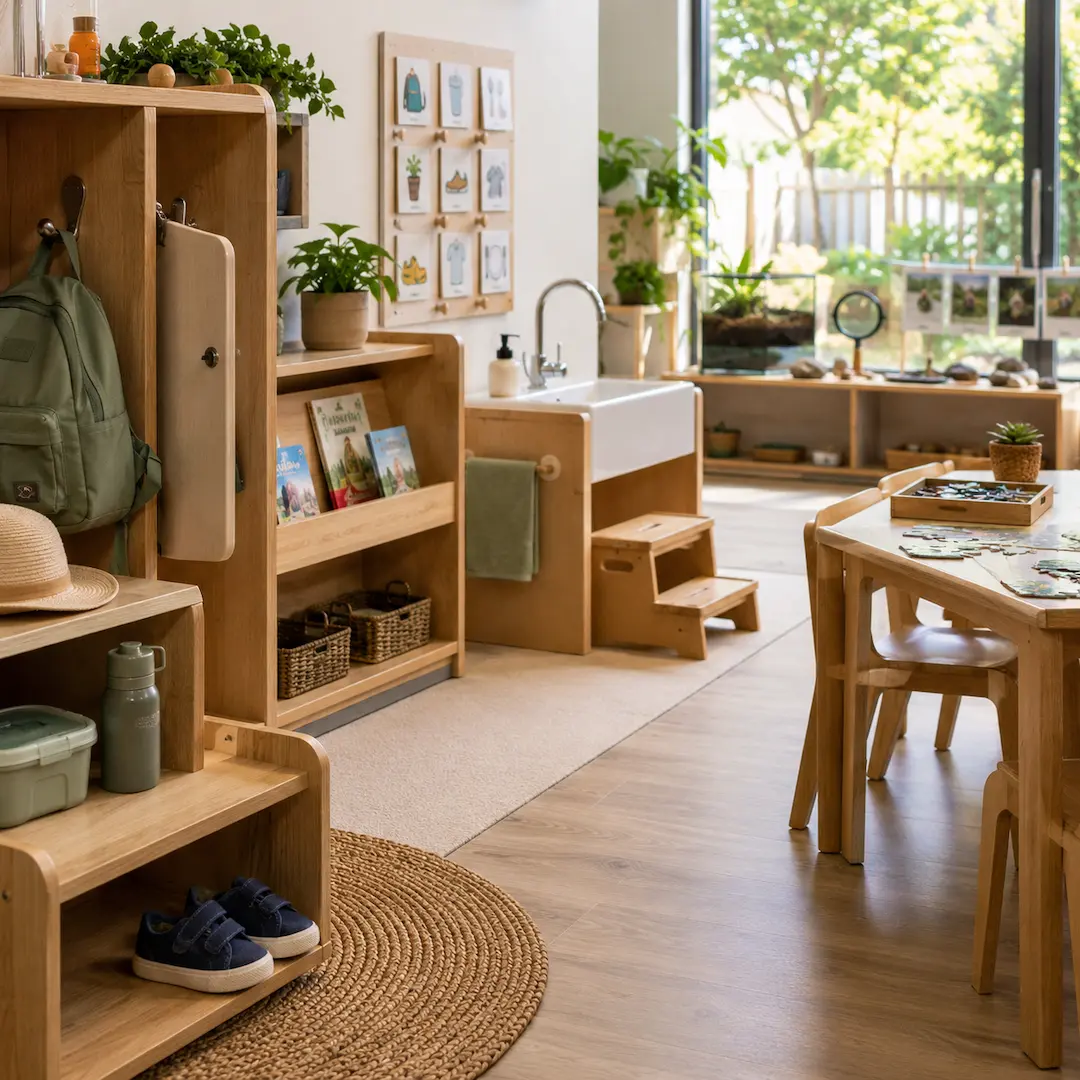
A child’s environment shapes how confidently they explore. Calm, welcoming spaces help children feel secure enough to make choices and take manageable risks. In contrast, cluttered or highly controlled environments can make children more dependent on adult direction.
A supportive environment does a few simple things well. It makes materials accessible. It offers predictable routines. It includes inviting spaces for reading, play, rest, and creative expression. It also leaves room for children to try things independently.
Emotional support matters just as much as physical setup. Children need to know that effort is valued. Praising persistence, curiosity, and problem-solving often works better than focusing only on the final outcome. Saying “You kept trying until it worked” teaches more than “Good job.”
Ask yourself: does this space invite my child to do things for themselves, or does it require me to manage every step? That question can help you make small but meaningful changes at home.
The Role of Parents and Educators
Children develop independence best when the adults around them work together. When home and early learning settings share similar expectations, routines, and language, children feel more secure. That consistency helps them practice emerging skills across different parts of their day.
Parents do not need to copy a classroom exactly. Small habits at home can reinforce the same core ideas. Offering simple choices, encouraging tidy-up routines, and allowing extra time for self-help tasks all support independent learning.
Educators bring another important layer. They understand child development and know how to match support to each child’s stage. Good guidance is not too little and not too much. It meets a child where they are, then gently encourages the next step.
At Children’s Choice, partnership with families is a key part of helping children grow. Educators and parents both play a role in noticing progress, responding to challenges, and celebrating small wins. When a child sees the same calm encouragement from trusted adults, they are more likely to develop confidence that lasts.
For families in Queensland, the Queensland Government’s early childhood education and care resources offer helpful information on quality early learning and child development. These resources can support parents who want to better understand what children need during the early years.
Benefits of Early Independent Learning
The benefits of early independent learning reach far beyond childhood. When children learn to make choices, solve small problems, and manage simple responsibilities, they begin building the foundation for lifelong learning.
One of the biggest benefits is confidence. Children who are trusted to try things for themselves often develop a stronger belief in their own abilities. That confidence can support social development too, because children feel more comfortable joining in, expressing needs, and navigating group settings.
Independent learning also supports emotional regulation. Children who practice waiting, trying again, and managing minor setbacks are building resilience. They learn that mistakes are part of learning, not something to fear.
These skills matter for school readiness. A child who can follow routines, make simple decisions, persist with tasks, and ask questions is often better prepared for the transition into formal learning. Quality early childhood education plays an important role in this process.
The Australian Children’s Education and Care Quality Authority (ACECQA) highlights the importance of environments and teaching practices that support children’s agency, wellbeing, and learning. In the same way, the Australian Government Department of Education provides guidance on early childhood learning that reinforces the value of strong foundations in the early years.
If you are weighing what matters most before school, this is a useful checkpoint: focus not only on early literacy or numbers, but also on confidence, curiosity, and self-help skills. Those qualities help children use what they know in real situations.
Children’s Choice: A Partner in Your Child’s Independent Learning Journey
Helping children become independent learners takes patience, trust, and the right environment. At Children’s Choice, independence is not treated as a single lesson. It is woven into daily experiences through play, routines, relationships, and thoughtful guidance.
Our educators understand that every child develops at their own pace. Some children are eager to try everything on their own. Others need more reassurance before stepping forward. Both are normal. What matters is having nurturing professionals who know how to encourage growth without pressure.
This means creating spaces where children can choose, explore, ask questions, and take part in everyday tasks with support nearby. It also means building emotional safety, because confidence grows best when children feel known, respected, and encouraged.
Families often notice the difference this makes. As one parent shared, “Best centre we have been to. We are truly grateful to all the staff for helping our daughter find her confidence.” Feedback like this reflects what many parents value most: seeing their child become more secure, capable, and ready to engage with the world.
At Children’s Choice, independent learning is about more than school preparation. It is about helping children develop the self-belief and practical skills that support them through every stage of early childhood.
Conclusion
Fostering independence in young children is a gradual process built through small, everyday moments. Each choice, question, attempt, and routine helps a child become more confident, curious, and capable. Independent learning does not mean doing everything alone. It means having the support, space, and encouragement to grow.
When families and educators work together, children gain a stronger foundation for emotional wellbeing, school readiness, and lifelong learning. If you want to support your child’s growth in a nurturing early learning environment, book a tour with Children’s Choice and see how our approach helps children build independence from an early age.
FAQs
Why is it important for children to become independent learners?
Encouraging children to be independent learners helps them build critical thinking skills, confidence, and problem-solving abilities, which are essential for long-term academic and personal success.
How can I encourage my child to take initiative in their learning?
You can promote initiative by allowing your child to explore topics they are interested in, giving them choices in their learning activities, and celebrating their efforts and achievements.
What role does the environment play in fostering independent learning?
An environment that is safe, supportive, and rich with resources such as books, art supplies, or puzzles encourages curiosity and allows children to explore at their own pace without fear of failure.
How does setting goals help children gain independence in learning?
Teaching children to set achievable goals allows them to take ownership of their progress. This practice helps them stay motivated, accountable, and focused on their learning objectives.
What are practical ways to support independent learning at home?
Provide your child with a dedicated learning space, establish routines, and encourage self-reliance by guiding rather than completing tasks for them. Offer support when needed but avoid excessive intervention.
How can technology assist in developing independent learning skills?
Educational apps, online resources, and interactive tools can provide children with opportunities to explore subjects independently while developing digital literacy skills critical for modern learning.
What can I do if my child is struggling to learn independently?
If your child is facing challenges, practice patience and focus on building their confidence. Break tasks into smaller steps, provide guidance when necessary, and gradually encourage them to take full ownership as they gain competence.