Parenthood is a journey filled with joy, discovery, and, admittedly, a fair share of questions. For parents of children on the autism spectrum, these questions often carry a little more weight, especially when it comes to entrusting your child to someone else’s care. Deciding on the right care environment is a significant milestone, and it’s natural to feel a mix of hope and apprehension.
You might be wondering if a mainstream setting can truly meet your child’s unique needs or if they will find a sense of belonging among their peers. The good news is that the landscape of early childhood education is evolving. There is a growing recognition of the importance of inclusive childcare that celebrates neurodiversity rather than just accommodating it.
At Children’s Choice, we understand that every child deserves a supportive environment where they can grow at their own pace. Finding a centre that aligns with your family’s values and understands your child’s perspective is key to a positive experience. This guide aims to help you navigate these decisions with confidence, offering insights into how high-quality daycare can be a nurturing space for children with autism.

Understanding Autism Spectrum Disorder (ASD)
To advocate for your child, it helps to understand how they experience the world. Autism Spectrum Disorder (ASD) is a developmental condition that affects how individuals communicate, interact, and perceive their surroundings. It is called a “spectrum” because it presents differently in every child; no two children with autism are exactly the same.
Some children may have limited verbal communication, while others might have a rich vocabulary but struggle with social cues. Common traits can include difficulties with social interaction, repetitive behaviours, and intense focus on specific interests. Sensory sensitivities are also frequent; lights might seem brighter, sounds louder, or fabrics itchier than they do to others.
These differences can make typical daycare environments feel overwhelming without the right support. However, these challenges are often accompanied by unique strengths, such as exceptional attention to detail, honesty, and creativity. The goal of any quality early learning environment is to minimise the stressors while maximising opportunities for your child to shine. Personalised support is not just a “nice to have”, it is essential for helping children with autism feel safe, understood, and ready to learn.
Inclusive Practices at Daycare Centres
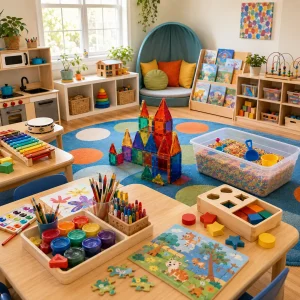
Inclusion is about more than just opening the doors to everyone; it is about ensuring every child can participate meaningfully. High-quality daycare centres employ specific strategies to bridge the gap between a child’s needs and the learning environment.
One effective method is breaking down complex tasks. A broad instruction like “get ready for lunch” involves multiple steps that can be confusing. Educators in inclusive settings guide children through the process: “wash hands,” then “find chair,” then “sit down.” This step-by-step approach builds confidence and independence.
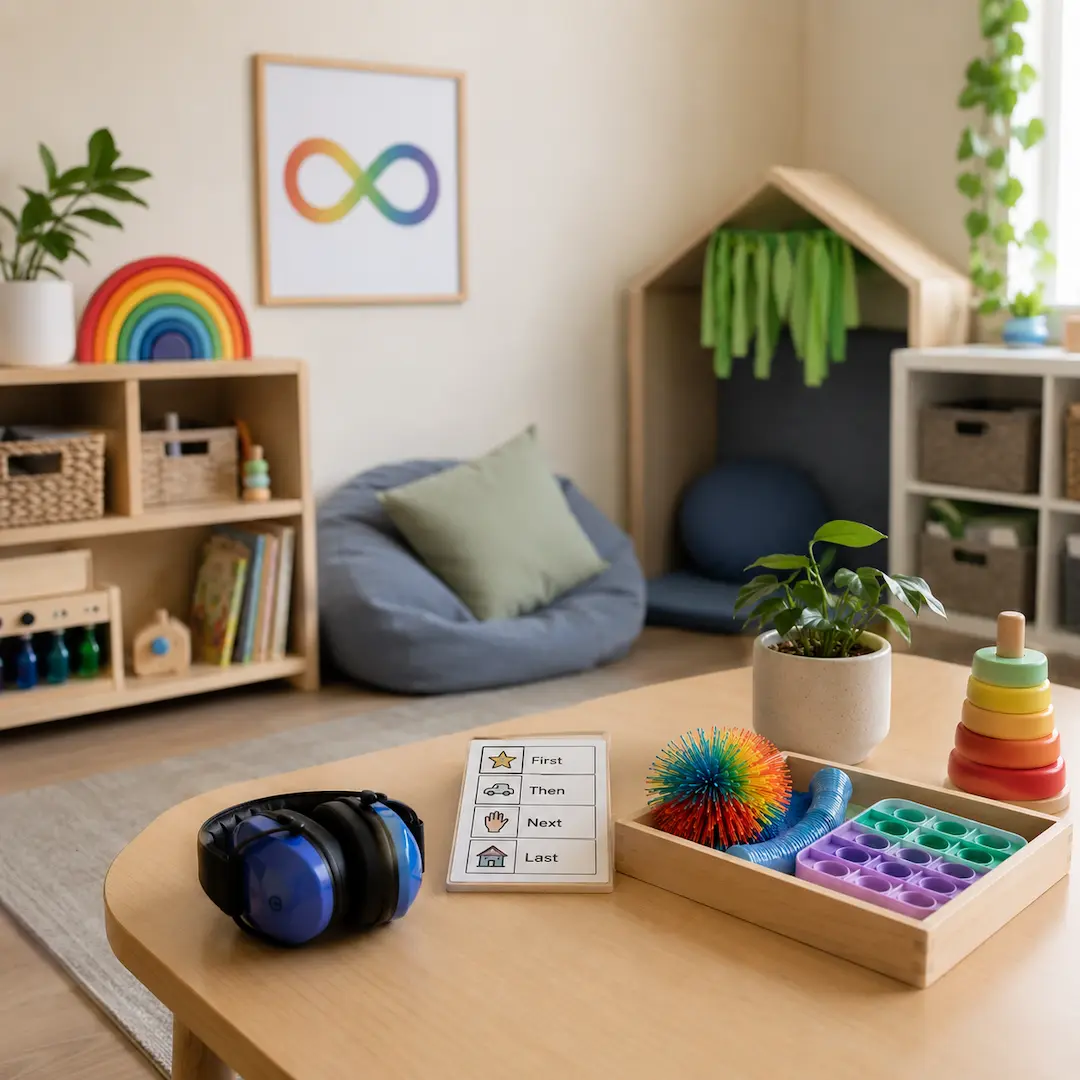
Visual supports are another cornerstone of inclusive practice. Children with autism often process visual information better than verbal instructions. You might see:
- Visual Schedules: Pictures showing the flow of the day (e.g., arrival, play, snack, nap). This predictability reduces anxiety about “what comes next.”
- Choice Boards: Images that allow non-verbal children to point to what they want to play with or eat.
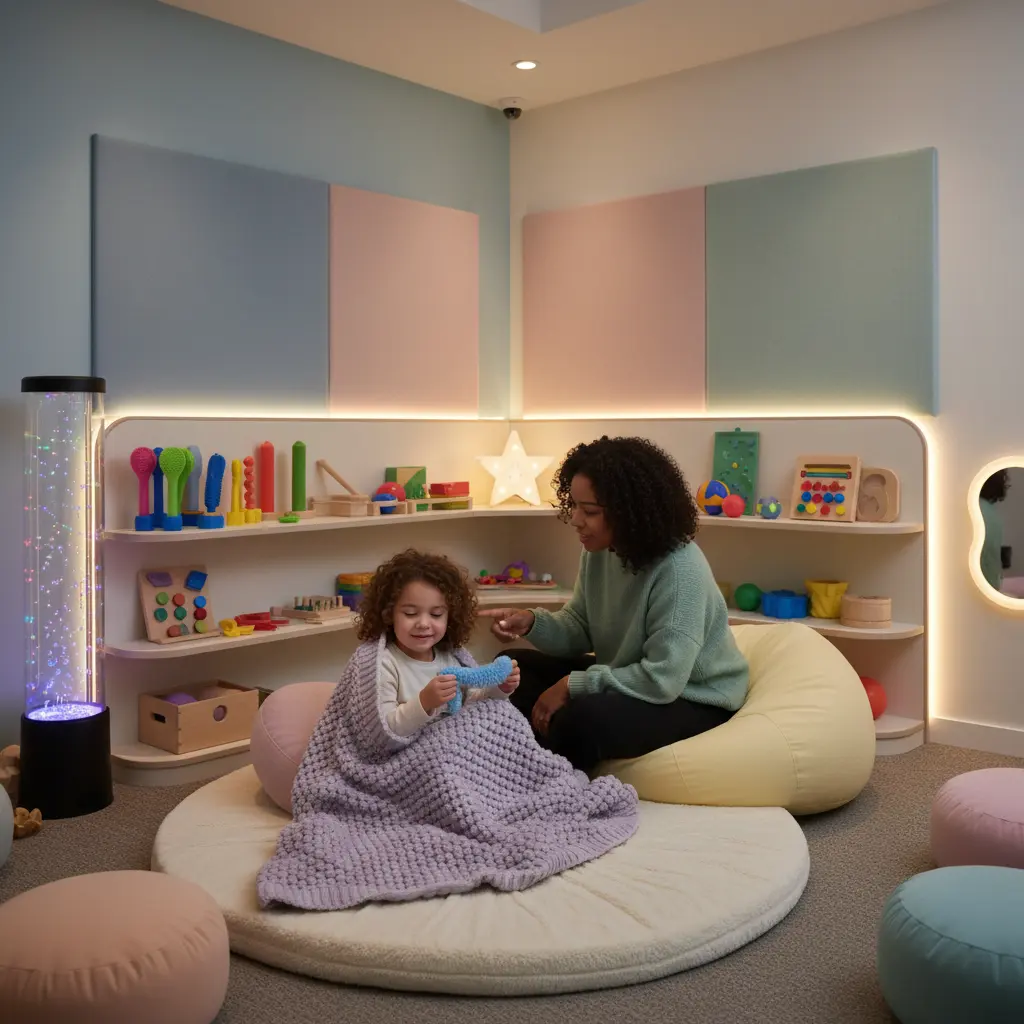
- Sensory-Friendly Spaces: Designated quiet corners with soft lighting, weighted blankets, or fidget tools where a child can retreat if they feel overstimulated.
These practices create a rhythm and structure that helps all children, but they are particularly anchoring for children with autism.
Promoting Positive Interactions and Behaviour
Behaviour is communication. When a child with autism has a meltdown or acts out, it is often because they are overwhelmed, frustrated, or unable to communicate a need. In a nurturing childcare setting, the focus shifts from “managing bad behaviour” to understanding the root cause.
Educators trained in inclusive care look for the “why.” Is the room too loud? Is the transition to a new activity too sudden? By identifying triggers, staff can intervene before a situation escalates. This might involve giving a five-minute warning before pack-up time or offering noise-cancelling headphones during loud music activities.
Promoting positive interactions is also vital. Educators often model social skills, helping children learn how to take turns, share, or join a group. They act as a bridge between peers, fostering acceptance and friendship. While specific clinical therapies like ABA (Applied Behaviour Analysis) are often delivered by specialists, the principles of positive reinforcement, praising effort and celebrating small wins are deeply embedded in quality early learning programs.
Choosing the Right Daycare Provider
Selecting a daycare is a personal decision, and when you have a child with autism, your checklist is naturally more detailed. You want a partner in your child’s development, not just a babysitter.
When touring potential centres, look for:
- Low Educator-to-Child Ratios: Does the staff have the capacity to give your child individual attention?
- Trained Staff: Have educators undergone specific training regarding neurodiversity or sensory processing?
- Environment: Is the space chaotic, or is there a sense of calm structure? Are there quiet zones?
- Communication: How will they keep you updated on your child’s day?
It is also important to ask direct questions. You might ask, “How do you support children during transitions?” or “What is your protocol if a child becomes overstimulated?” Their answers will reveal a lot about their philosophy and readiness to support your family.
Whether you are looking for the Best childcare centre Raceview has to offer or a Best childcare centre Ipswich based facility, the priority should always be on the centre’s willingness to adapt to your child, rather than expecting your child to adapt to the centre.
Children’s Choice: Nurturing Childcare and Early Learning
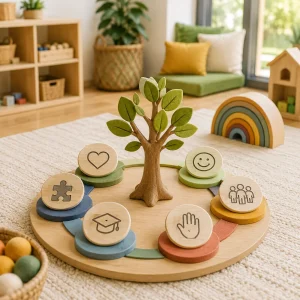
At Children’s Choice, our philosophy is simple yet profound: every child belongs. Children’s Choice provides safe, nurturing childcare and play-based early learning that supports children’s development and school readiness. We believe that diversity enriches our community, and we are committed to providing an environment where children with autism are valued for exactly who they are.
Our approach is centered on the child. We work closely with families to understand each child’s specific sensory profile, interests, and triggers. If your child loves trains, we use trains to teach counting or colours. If they find circle time difficult, we find alternative ways for them to participate that feel safe.
We focus heavily on school readiness, but we define it broadly. It isn’t just about writing names; it’s about emotional resilience, social confidence, and the ability to navigate a group setting. By fostering these skills early in a supportive, play-based environment, we help lay a strong foundation for the transition to primary school and beyond.
Is Daycare the Right Choice?
Parents often weigh the benefits of daycare against keeping their child at home or utilizing strictly in-home therapies. While in-home care offers a controlled environment, a high-quality daycare setting offers something unique: a social microcosm.
In daycare, children have the opportunity to observe peers, practice social skills in real-time, and navigate friendships in a safe, supervised space. The routine of a centre can also be incredibly beneficial, providing the structure that many children with autism crave.
Furthermore, daycare doesn’t have to be mutually exclusive with therapy. Many families find that a combination works best, where the social skills learned in therapy are practiced in the daycare setting. The key is open communication between your therapists and your childcare providers to ensure everyone is working toward the same goals.
Moving Forward with Confidence
Early intervention and a supportive environment can change the trajectory of a child’s life. While the diagnosis of autism brings unique challenges, it also opens the door to a unique way of viewing the world. Your child has immense potential, and the right early learning environment can be the key to unlocking it.
Remember, you are not alone in this journey. Whether you choose a centre for the social benefits, the school readiness program, or simply to find a community that supports your family, know that inclusive, compassionate care is available. Children’s Choice is dedicated to walking this path beside you, celebrating every milestone and supporting your child as they grow, learn, and thrive.
Frequently Asked Questions
What are the benefits of specialized daycare for children with autism?
Specialized or inclusive daycare offers a structured routine, which provides a sense of security. It allows children to practice social skills with peers in a supported environment. Exposure to sensory experiences in a controlled way helps build resilience, while play-based learning supports cognitive and emotional growth.
How can I prepare my child for starting daycare?
Preparation is key. Create a “social story” with photos of the centre to read at home. Visit the centre multiple times before the official start date so the environment feels familiar. At Children’s Choice, we encourage orientation visits to help your child build a bond with their educators before they start.
What training do Children’s Choice staff have?
We prioritize ongoing professional development. Children’s Choice educators participate in training focused on inclusive practices, sensory processing, and positive behaviour guidance. We also learn directly from you, the expert on your child, to tailor our care strategies to your child’s specific needs and personality.
How do daycares handle behavioral issues?
We view behaviour as a form of communication. Instead of punishment, we focus on co-regulation, helping the child calm down, and identifying the trigger. We use positive reinforcement to encourage desired behaviours and redirect challenging ones, ensuring the child always feels safe and respected during the process.
How do I find the best childcare centre Raceview has?
Look for centres that invite you to tour and ask questions. The “best” centre is one that listens to you. If you are searching for a Leading childcare centre Raceview area, read reviews, check their rating against the National Quality Standard, and observe how the educators interact with the children.