Life with young children often feels like a whirlwind of activity. Between the morning rush, meal preparation, and bedtime routines, it can seem like there is little time left for “teaching.” However, learning does not just happen when a child sits down with a book or listens to a formal lesson. In reality, the world is a vast classroom, and everyday life is filled with chances to discover something new.
For parents and caregivers, the key is simply noticing these moments. Whether you are driving the car, folding laundry, or walking through the park, you have the power to turn ordinary experiences into rich developmental milestones. By slowing down and engaging with your child during these times, you help build their vocabulary, problem-solving skills, and emotional resilience.
At Children’s Choice, we believe that education is woven into the fabric of the day. As a provider of safe, nurturing childcare and play-based early learning, we support children’s development and school readiness by embracing these daily interactions. Understanding how to capture these moments can transform the way you view your daily routine and deepen the bond you share with your child.
Why Everyday Moments Matter
It is easy to underestimate how much children absorb from their environment. Research tells us that a child’s brain develops faster between birth and age three than at any other point in their life. During these critical years, millions of neural connections are forming every second. These connections are built through experiences and interactions with the people around them.
When a child points to a bird and you say, “Yes, that is a magpie,” you are building language skills. When they drop a spoon and you help them pick it up, they are learning about cause and effect. These early experiences shape the architecture of the developing brain, laying the foundation for future social skills, emotional regulation, and academic success.
Practical Ways to Create Learning Opportunities
You do not need expensive toys or complicated lesson plans to support your child’s growth. Here are five practical ways to integrate learning into your day.
Hands-On Sensory Experiences
Young children learn best when they can touch, smell, and manipulate the world around them. Sensory play,like squishing play dough, pouring water in the bath, or digging in sand,helps develop fine motor skills. It also teaches concepts like texture, volume, and gravity. Even letting a toddler tear up old junk mail can be a fascinating lesson in physics and sound for them.
Take the Learning Outdoors
Nature provides an endless supply of wonder. A simple walk in the backyard or a local park can turn into a science lesson. Encourage your child to observe the different shapes of leaves or the colours of flowers. Ask open-ended questions like, “Why do you think that lizard is sitting on the warm rock?” This builds critical thinking and observation skills.
Involve Children in Daily Routines
Your chore list is actually a learning curriculum in disguise.
- Cooking: Baking is essentially chemistry and maths. Let them count the eggs or measure the flour.
- Shopping: The supermarket is full of colours and words. Ask your child to find a red apple or identify the letter ‘M’ on a cereal box.
- Laundry: Sorting clothes by colour or matching socks is an excellent way to practice pattern recognition and categorisation.
Diverse Books and Stories
Reading is one of the most powerful tools for development. Choose books that reflect different cultures, family structures, and abilities. When you read together, you are not just teaching literacy; you are teaching empathy. Ask questions about the story: “How do you think the bear felt when he lost his hat?” This helps children understand emotions and social cues.
Imaginative Play
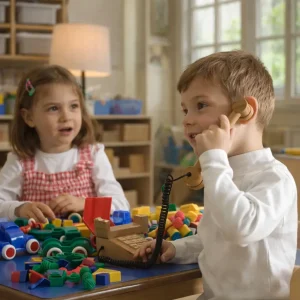
Provide open-ended materials like wooden blocks, cardboard boxes, or dress-up clothes. When children create their own scenarios, whether they are pretending to be a doctor or building a castle, they are practicing social skills and narrative thinking. This type of play allows them to process what they see in the world and make sense of their experiences.
Children’s Choice: Supporting Early Learning
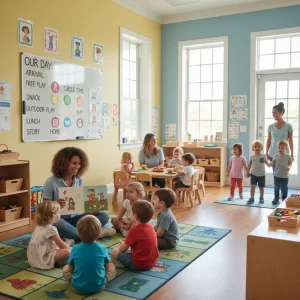
At Children’s Choice, we integrate these organic learning methods into everything we do. Our programs are designed to be more than just supervision; they are immersive environments where curiosity is encouraged. Our educators understand that a shared meal is a chance to learn about nutrition and social manners, and a rainy day is an opportunity to learn about weather patterns.
We focus on play-based learning because we know it is how children learn best. By creating a stimulating environment filled with diverse materials and caring guidance, we ensure that every child feels supported. We strive to be the best childcare centre Ipswich families can rely on for high-quality, developmental care. Our educators act as co-learners, exploring ideas alongside the children to foster a lifelong love of discovery.
The Role of Caregivers
Children cannot do this important work alone. They need healthy, consistent relationships with caring adults to thrive. Whether you are a parent, a grandparent, or an educator, your presence makes the difference.
Caregivers provide the “scaffolding” for learning. This means offering just enough support to help a child achieve something they could not do on their own, before stepping back to let them try. Beyond academic skills, caregivers model how to handle emotions. When a child feels safe and loved, their brain is relaxed and open to learning. This emotional security is the launchpad for all future exploration.
Turning Challenges into Learning
Not every moment is sunny and smooth, but even difficult times offer value. A conflict over a toy or a scraped knee can be a powerful lesson in resilience and problem-solving.
Instead of rushing to fix every problem, guide children through the process. If a tower of blocks falls over, acknowledge the frustration: “It is frustrating when our hard work falls down. What can we do differently next time so it stays up?” This teaches perseverance.
In a group setting, such as a leading childcare centre Heritage Park location, educators use these moments to teach negotiation and empathy. Children learn that making mistakes is part of the process, and that bouncing back is a skill they can practice. By reframing challenges as puzzles to be solved, we help children develop the confidence to face adversity in the future.
Partnering with Children’s Choice for Your Child’s Growth
Every interaction you have with your child is a building block for their future. By viewing the world through their eyes, you can transform mundane tasks into magical discoveries. It takes patience and presence, but the rewards are seen in your child’s growing confidence and curiosity.
At Children’s Choice, we are committed to being your partner in this journey. We provide a safe, nurturing childcare environment where play-based early learning supports your child’s development and school readiness. Together, we can turn every day into an opportunity for growth, ensuring your child has the best possible start in life.
Frequently Asked Questions
What does “play-based learning” actually mean?
Play-based learning allows children to explore concepts through activities they enjoy, rather than formal instruction. It follows the child’s interests, using games, imagination, and hands-on tasks to teach math, literacy, and social skills in a way that feels natural and engaging.
Why is Children’s Choice considered a leading childcare provider?
Children’s Choice prioritizes safe, nurturing environments where highly trained educators focus on individual development. Our programs are designed to support school readiness through meaningful interactions, ensuring every child receives the attention and care they need to thrive emotionally and academically.
How do I know if a facility is a leading childcare centre raceview families trust?
Look for centres with qualified, long-term staff and a curriculum that balances structure with free play. A quality centre will have transparent communication, clean and stimulating environments, and positive reviews from other local families regarding their educational approach and care.
How can I help my child if they are struggling with a task?
Pause before jumping in. Offer encouragement or ask a guiding question like, “I wonder what would happen if we turned that piece around?” This supports their problem-solving skills without taking away the sense of achievement they get from figuring it out themselves.
How does Children’s Choice prepare my child for school?
Children’s Choice builds school readiness by developing social skills, emotional regulation, and independence. We introduce early literacy and numeracy concepts through daily routines and play, ensuring children have the confidence and foundational skills needed for a smooth transition to school.