Leaving your child at a childcare centre for the first time can bring a mix of relief, hope, and worry. That feeling is normal. Parents want more than a clean room and a secure gate. They want to know their child will be protected, understood, and cared for with warmth each day.
A safe and supportive childcare centre gives children the confidence to explore, learn, and build relationships. It also gives families peace of mind. In this guide, we’ll look at the visible and invisible signs of quality care, from educator training and physical safety to emotional support and strong safeguarding systems. If you are comparing options, these are the details worth paying close attention to, especially when considering a nurturing environment like Children’s Choice.
The Foundation of Care: Qualified and Well-Trained Educators
When parents tour a centre, one of the first questions that comes to mind is simple: who will be caring for my child? Qualifications matter because early childhood education is not just supervision. It requires knowledge of child development, health, safety, behavior, and communication.
Children feel more secure when they are cared for by educators who understand their stage of growth. A toddler needs different support from a preschooler, and experienced educators know how to respond in ways that build trust and confidence. That steady, informed care helps children settle in and feel safe enough to participate.
In Australia, families can check how educator qualifications fit national standards through the Australian Children’s Education and Care Quality Authority (ACECQA). Centres should also have team members with current first aid, CPR, asthma, and anaphylaxis training. Just as important, staff should complete child protection training and refresh it regularly.
When you visit a centre, ask direct questions. What qualifications do educators hold? How often is emergency training updated? How are new staff inducted into safety procedures? A quality centre will answer clearly and confidently.
Summary: Safe childcare starts with capable educators who are trained, current, and ready to respond to children’s needs.
Creating a Secure and Well-Maintained Physical Environment
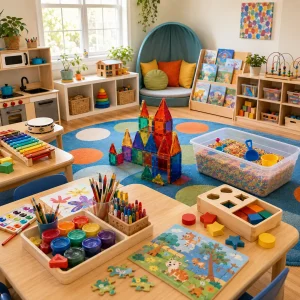
Once you step into a childcare centre, your instincts often go straight to the environment. You notice gates, flooring, furniture, storage, and whether the space feels calm or chaotic. That instinct is helpful because the physical setting plays a major role in both safety and comfort.
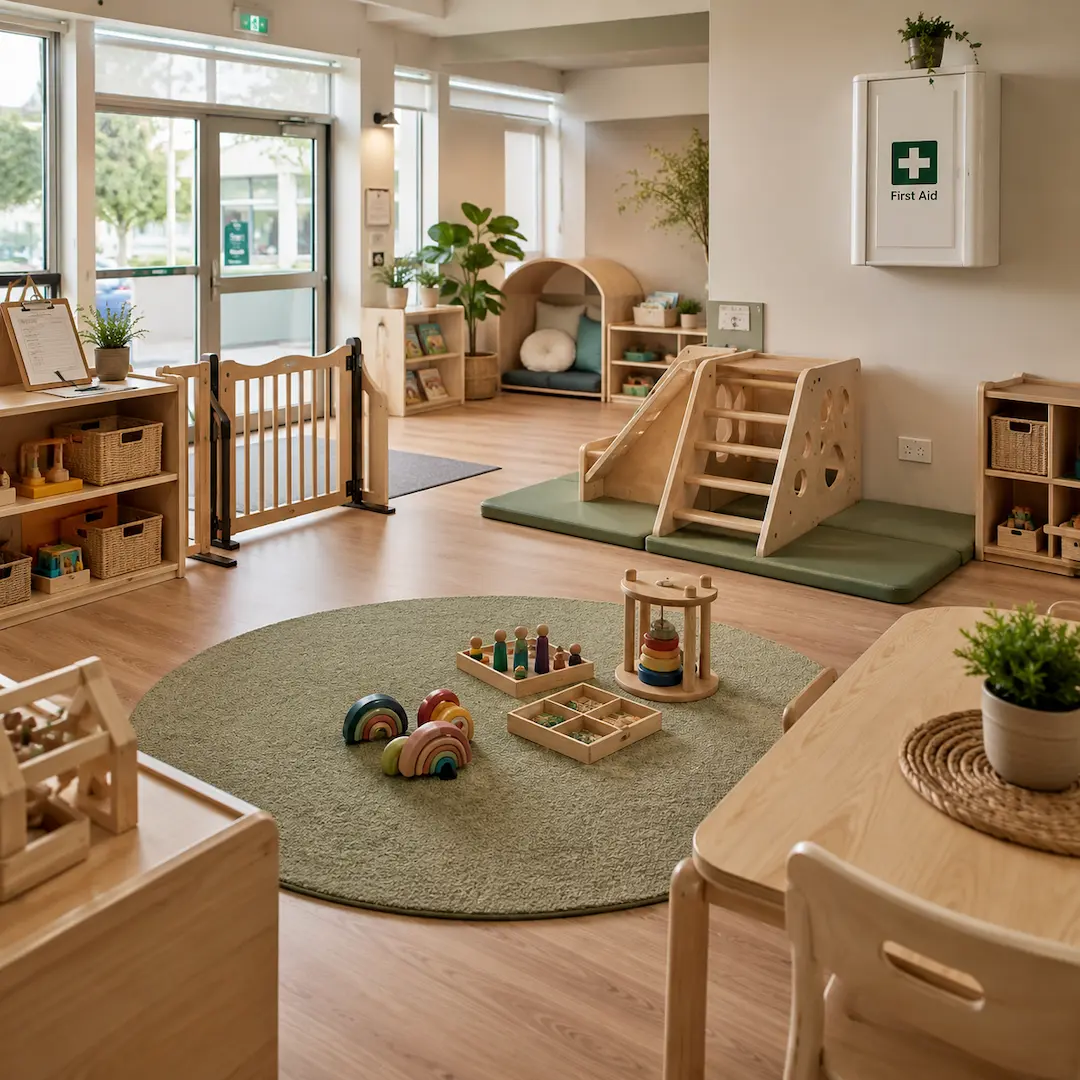
Young children learn by moving, climbing, touching, and testing limits. A well-designed centre does not stop that curiosity. Instead, it makes exploration safer with age-appropriate furniture, secure outdoor areas, soft fall surfaces, covered outlets, and careful room layout.
Supportive spaces are also clean, organised, and easy for educators to supervise. There should be clear sightlines, secure entry and exit systems, and procedures for authorizing who can collect a child. Outdoor equipment should be checked often, and hazards should be dealt with quickly, not left for later.
This kind of environment helps children feel free rather than restricted. They can play and discover without constant unnecessary “no’s,” and parents can feel more at ease knowing the space was designed with real child behavior in mind.
Summary: A safe physical environment is not just tidy. It is planned, maintained, and built around how children actually move and learn.
Clear Safety Policies That Protect Every Child
Good childcare safety is not based on guesswork. It depends on clear systems that guide how a centre handles hygiene, supervision, illness, medication, incidents, and daily routines. While policies may seem less visible than toys or classrooms, they often make the biggest difference in practice.
Children benefit from predictable routines and consistent care. When supervision ratios are appropriate and procedures are followed every day, children are less likely to be overlooked. That structure also supports emotional security because children know what to expect.
Health and hygiene standards are especially important in early learning settings, where close contact is unavoidable. The NHMRC’s Staying Healthy guidelines provide practical advice for education and care services on infection control, cleaning, handwashing, illness, and exclusion periods. These standards help reduce the spread of common illnesses and protect both children and staff.
Parents should feel comfortable asking how a centre manages sickness, sanitation, food safety, and medication storage. Strong policies show that care is thoughtful, not reactive. They reduce risk before problems grow.
Summary: Clear safety policies create consistency, lower health risks, and help every child receive careful, reliable support.
Nurturing Emotional and Psychological Safety
Physical safety is only one part of the picture. A childcare centre may look secure on the outside, but children also need to feel emotionally safe on the inside. That means being treated with kindness, respect, patience, and genuine care.
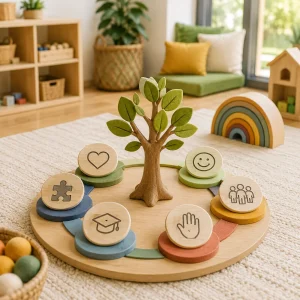
Children learn best when they feel accepted and understood. If a child is anxious, upset, shy, or overwhelmed, the response from educators matters. Calm voices, gentle guidance, and respectful communication help children regulate their emotions and build trust in the adults around them.
Emotional safety also includes cultural safety and inclusion. Children should feel that their identity, family background, language, and experiences are valued. Supportive centres create belonging, not pressure to fit one narrow mold.
When you tour a centre, watch how educators speak to children. Do they crouch down to make eye contact? Do they listen when a child is distressed? Do they guide behavior without shaming? These everyday moments reveal whether a centre feels warm and supportive in practice.
At Children’s Choice, this human side of care is just as important as physical protection. Families want to know their child will be safe, but they also want to know their child will be known.
Summary: Emotional safety helps children feel secure, resilient, and ready to learn.
Robust Safeguarding Frameworks in Action
Safeguarding can feel like a hard topic, but it is one of the clearest signs of a responsible childcare centre. Strong centres do not avoid the issue. They build systems that help prevent harm, recognise concerns early, and respond properly when something is not right.
A robust safeguarding approach includes staff training, clear reporting pathways, supervision expectations, recordkeeping, and a culture where child safety is everyone’s responsibility. It also means educators know how to identify signs of harm, respond appropriately, and escalate concerns without delay.
Families can learn more about child-safe practice through the National Principles for Child Safe Organisations and state-based guidance such as the Queensland Government’s Child Safe Standards. These frameworks help services create safer environments and stronger accountability.
Transparency matters here. Parents should know that the centre takes child protection seriously, has procedures in place, and acts when concerns arise. That openness builds trust because it shows the service is committed to protecting children, not just appearing professional.
Summary: Effective safeguarding is proactive, structured, and essential to a truly safe childcare environment.
Continuous Safety Training and Refreshers
Safety standards should not stay frozen in time. Best practice changes, regulations evolve, and new insights into child wellbeing continue to shape early learning. That is why ongoing professional development is so important.
Parents often assume staff training is completed once and then filed away. In reality, the strongest centres keep learning. They schedule refresher training in first aid, emergency response, child protection, health practices, and safe supervision. They also review incidents and near misses so teams can improve.
This ongoing learning benefits children directly. Educators who refresh their knowledge are more prepared, more confident, and better able to respond under pressure. They are also more likely to notice subtle issues before they become bigger concerns.
When a centre invests in regular training, it sends a clear message: safety is an active priority, not a box to tick. That kind of commitment can give parents greater confidence in the quality of care their child receives each day.
Summary: Ongoing training keeps safety practices current and strengthens the centre’s ability to protect children well.
Open Communication and Family Involvement
Even in a great childcare setting, parents still want to know how their child is doing. That is natural. Open communication helps bridge the gap between home and care, and it gives families confidence that nothing important is being missed.
Children benefit when parents and educators work as a team. If a child is adjusting slowly, managing allergies, toilet training, or feeling unsettled, consistent communication helps everyone respond in a way that supports the child. It also reassures children when they see trust between the important adults in their lives.
Supportive centres keep families informed through daily updates, wellbeing notes, conversations at pick-up, and timely contact when concerns arise. They also invite feedback. Parents should feel welcome to ask questions about routines, incidents, health practices, and emotional wellbeing without feeling brushed off.
This is often the part that gets missed: communication is a safety feature. When families are informed and involved, problems are easier to spot, routines are easier to support, and children feel more secure across both settings.
Summary: Clear family communication strengthens trust, supports children’s routines, and improves overall safety and care.
What Parents Should Look For During a Childcare Tour
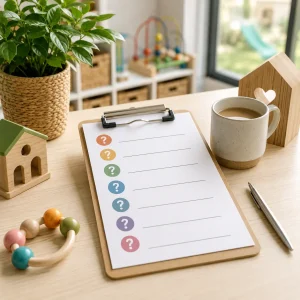
After learning what makes a centre feel safe and supportive, the next step is knowing what to look for in real life. A tour is your chance to go beyond marketing and observe how the centre actually operates.
Here are a few practical signs to watch for:
- Educators interact warmly and respectfully with children
- Rooms are clean, organised, and easy to supervise
- Entry and exit points are secure
- Safety policies are clear and easy to explain
- Staff can discuss qualifications and training without hesitation
- Children appear settled, engaged, and comfortable
- Communication with families is treated as part of the service, not an afterthought
You might also ask how the centre handles incidents, illness outbreaks, allergies, late pickups, and changes in a child’s emotional wellbeing. The answers should be specific and calm, not vague.
Summary: A tour can tell you a lot. Look for evidence of safety in both the environment and the everyday interactions.
Conclusion
A childcare centre feels safe and supportive when children are protected in every sense of the word. That includes qualified educators, secure spaces, strong health and safety policies, emotional warmth, clear safeguarding systems, and open communication with families.
Parents deserve to feel confident when they leave their child in someone else’s care. If you are looking for a centre that values both safety and genuine support, start by asking the right questions and watching the small details. To see how this approach comes to life, book a tour with Children’s Choice and explore how a nurturing environment can support your child’s wellbeing and early learning every day.
FAQs
What should I look for in a safe childcare center?
Key indicators include security measures like controlled access, a clean and hazard-free environment, and staff trained in first aid and emergency procedures.
How does a childcare center create a supportive atmosphere?
A supportive atmosphere is fostered through attentive caregivers, consistent routines, positive reinforcement, and an environment of emotional warmth and respect.
Why is open communication with parents important in childcare?
Open communication ensures that parents are informed about their child’s progress, health, and daily activities, building trust and collaboration between parents and the center.
What role do caregivers play in creating safety and support?
Caregivers contribute by being attentive, nurturing, and responsive to children’s needs, while also guiding them with clear boundaries and positive reinforcement.
How can safety protocols impact a child’s well-being?
Well-enforced safety protocols, such as proper health checks, emergency plans, and supervision ratios, help create a secure environment where children can thrive.
What types of learning environments are supportive in childcare?
Supportive learning environments include engaging indoor and outdoor spaces, age-appropriate materials, and activities that encourage curiosity, creativity, and early skill-building.
How does emotional support benefit a child in childcare?
Providing emotional support helps children develop healthy relationships, build self-esteem, and manage emotions effectively, which is critical for their overall growth and well-being.