A quiet afternoon can change fast when your child bursts into tears because their toast was cut the “wrong” way or they wanted the blue cup, not the green one. Moments like these can feel confusing, exhausting, and sometimes even a little alarming. But big emotions in toddlers and preschoolers are a normal part of development.
Young children are still building the brain skills they need for self-control, flexible thinking, and emotional regulation. That means their feelings can seem huge, sudden, and hard for them to manage. These moments are not usually a child trying to be difficult. More often, they are signs that a child is having a feeling that is bigger than their current ability to cope.
When we understand what is happening beneath the surface, it becomes easier to respond with calm and confidence. In this blog, we’ll look at what big emotions are, why they happen, and how parents and caregivers can support children through them. We’ll also explore how Children’s Choice uses play-based learning and nurturing relationships to help children build emotional wellbeing from an early age.
What Are “Big Emotions”?
Big emotions are strong feelings that young children are still learning to recognise, express, and manage safely. These may include frustration, anger, disappointment, fear, sadness, jealousy, or even intense excitement. For adults, these feelings may feel manageable. For a toddler or preschooler, they can feel overwhelming.
Children often experience the physical rush of emotion before they have the words to explain it. Their heart races. Their body tenses. Their voice gets louder. Tears come quickly. They may throw, scream, hide, or collapse onto the floor. From the outside, the reaction may seem out of proportion. But from the child’s point of view, the emotion feels very real and very big.
This is why it helps to shift the goal. We do not need to stop children from having emotions. Emotions are healthy and necessary. Instead, we help them move through those emotions safely, with support, language, and steady boundaries.
Why Toddlers and Preschoolers Experience Big Feelings
As babies grow into toddlers, and toddlers grow into preschoolers, their inner world becomes more complex. They want more independence. They notice more. They care more. But their ability to regulate emotions is still developing.
In the toddler years, children often want to do things on their own but do not yet have the skills, patience, or impulse control to make that easy. They may want to put on their own shoes, pour their own drink, or leave the park on their own terms. When things do not go the way they hoped, frustration can hit hard.
In the preschool years, language improves and children begin to understand more about rules, friendships, fairness, and expectations. This brings exciting growth, but it can also lead to new worries and social stress. A preschooler may feel upset because someone would not share, because they lost a game, or because a routine changed unexpectedly.
This stage is a time of rapid growth. A child’s emotional responses often develop faster than their coping tools. That is why emotional outbursts are so common in early childhood. Research and guidance around child development continue to show that self-regulation grows over time and with support. The Australian Institute of Family Studies offers helpful information on how children’s social and emotional skills develop across the early years.
When parents understand this, it becomes easier to respond with empathy instead of seeing every outburst as bad behavior.
Common Triggers for Emotional Overwhelm
Sometimes big feelings seem to appear out of nowhere. But often, there is something underneath the reaction.
Common triggers include:
- Hunger
- Fatigue
- Illness
- Overstimulation
- Changes in routine
- Transitions, such as leaving childcare or arriving home
- Family changes, like moving house or welcoming a new sibling
- Feeling rushed or misunderstood
A child’s temperament matters too. Some children are naturally more sensitive, cautious, or intense. They may react more strongly to noise, change, frustration, or disappointment. That does not mean something is wrong. It means they may need more time, more support, and more chances to practice calming down.
When we look beyond the behavior, we often find a need. A child who melts down over a small problem may actually be tired, hungry, overwhelmed, or unsure about what comes next. That understanding helps parents respond more effectively and may even help prevent some emotional blowups before they begin.
Normal Emotional Outbursts vs. Overwhelming Behaviors
Many parents wonder whether their child’s reactions are typical. That is a valid concern. Early childhood can be messy, loud, and intense, so it helps to know what falls within the normal range.
Typical emotional outbursts might include:
- Crying
- Yelling
- Refusing
- Stomping
- Clinging
- Hiding
- Briefly dropping to the floor in frustration
Overwhelming behaviors may look more intense and can include:
- Hitting, biting, or kicking
- Throwing objects
- Running away
- Repeatedly banging their body against something
- Becoming so distressed they cannot respond to your voice or comfort
When children become deeply overwhelmed, the emotional part of the brain can take over. In those moments, logic does not help much. A child is not ready for a lecture, a long explanation, or a demand to “calm down.” Their system first needs safety and support.
That is why the first priority is physical safety. Stay nearby. Keep your child and others safe. Use a calm voice. Reduce stimulation if possible. Save problem-solving and teaching for later, once your child is regulated again.
The Role of Play in Emotional Development
Play is one of the most powerful ways young children make sense of their feelings. Through play, they can explore scary, frustrating, confusing, or exciting experiences in a way that feels safe and manageable.
A child may act out bedtime struggles with dolls. They may make a puppet feel “mad” because someone took a toy. They may use painting, water play, blocks, music, or pretend games to work through feelings they cannot yet explain directly.
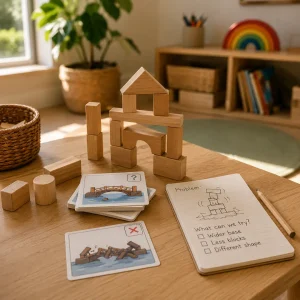
This is one reason play-based learning matters so much. Through play, children build emotional language, confidence, flexibility, empathy, and resilience. They learn to wait, take turns, solve problems, and recover from small setbacks. Supportive adults can guide this process by naming feelings, modeling calm responses, and creating predictable routines.
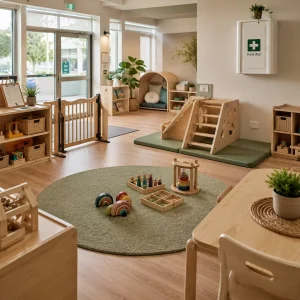
At Children’s Choice, emotional development is supported through warm relationships, structured routines, and meaningful play experiences that help children feel safe, seen, and capable. This approach aligns with the principles behind Australia’s early childhood learning guidance, where emotional wellbeing is seen as a core part of healthy development. You can learn more through the Early Years Learning Framework via ACECQA.
Here are a few simple play ideas parents can try at home:
- Use puppets to act out a frustrating moment and show ways to calm down
- Read storybooks that explore feelings and pause to talk about the characters
- Try messy play like playdough, sand, or finger painting for sensory release
- Use role-play to practice transitions, sharing, or asking for help
- Sing familiar songs to create comfort and predictability
How Parents and Caregivers Can Help
When a child is in the middle of a big emotional moment, adults often feel pressure to fix it fast. But what children need most is calm, steady support. This is called co-regulation.
Co-regulation happens when a calm adult helps a child’s nervous system settle. Before children can regulate themselves well, they borrow calm from the adults around them. That means your tone, body language, and pace matter.
Helpful strategies include:
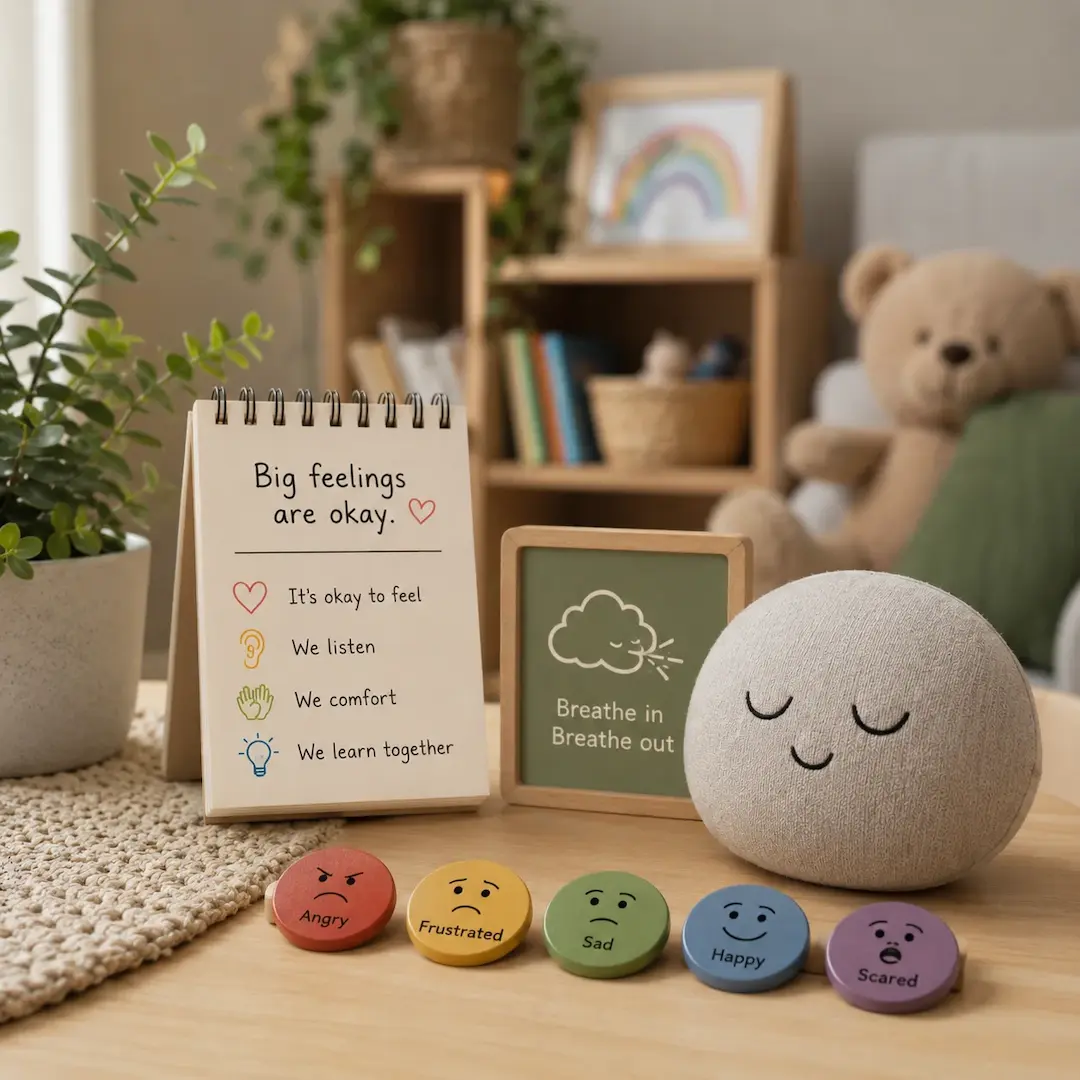
Name the feeling
Simple words can help children connect their inner experience to language.
You might say:
- “You’re feeling really disappointed.”
- “You’re angry that playtime ended.”
- “That was frustrating.”
This does not make the feeling bigger. It helps make it clearer.
Stay calm and present
Your child may not be calm yet, but they can still feel your steadiness. Keep your voice low. Use short sentences. Stay close if they want connection.
Hold clear boundaries
Supporting emotions does not mean allowing unsafe behavior. You can be kind and firm at the same time.
For example:
- “I won’t let you hit.”
- “You’re angry. I’m going to help keep everyone safe.”
- “You can be upset. I won’t let you throw that.”
Check the basics
Sometimes the best emotional support starts with food, water, rest, quiet time, or a slower routine. Physical needs have a big impact on emotional coping.
Teach skills after the storm
Children learn best after they are calm. Later, you can talk about what happened and practice tools like deep breaths, asking for help, using words, or taking a break in a cozy space.
Care for yourself too
It is hard to co-regulate when you feel overwhelmed. Parents and caregivers need support as well. Taking a breath, stepping back when safe, or sharing the load with another trusted adult can make a real difference.
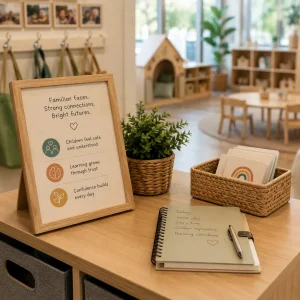
Families do not have to figure this out alone. At Children’s Choice, educators work in partnership with parents to create consistency between home and early learning environments, helping children feel secure and supported as they build these important emotional skills.
Conclusion
Big feelings are a healthy part of growing up. Toddlers and preschoolers are not meant to handle every emotion smoothly. They are still learning how feelings work, how to express them, and how to recover when things feel too big.
With patient support, clear boundaries, and caring relationships, children begin to build the self-regulation skills they will use for life. Each hard moment is also a teaching moment. Over time, children learn that feelings can be named, supported, and managed safely.
At Children’s Choice, we believe emotional development is just as important as early academic learning. Through nurturing care, play-based experiences, and strong partnerships with families, children are supported through every stage of growth.
Book a tour to explore how our nurturing environment at Children’s Choice supports children through every stage of early learning and emotional development.
FAQs
Why do toddlers and preschoolers have such strong emotions?
Toddlers and preschoolers are still developing their ability to manage and express emotions. Their brains are growing rapidly, and they are learning to process new experiences, which can result in intense emotional reactions.
How can I help my child handle big emotions?
You can support your child by staying calm, acknowledging their feelings, and providing comfort. Teaching simple breathing exercises and using age-appropriate language to label emotions can also help them understand and regulate their feelings.
Is it normal for my child to have frequent emotional outbursts?
Yes, emotional outbursts are a normal part of early childhood development. Young children are still learning how to manage their emotions and communicate their needs effectively.
How can I teach my child to express their emotions in healthy ways?
Encourage open communication by being a good listener and modeling healthy emotional expression. Introduce activities like drawing or storytelling to help your child express themselves creatively.
What are some signs that my child might need additional support with their emotions?
If your child frequently struggles to calm down, displays extreme or prolonged emotional reactions, or has difficulty engaging in normal activities, they may benefit from additional support or guidance from a professional.
How does play help with emotional development?
Play allows children to explore and understand their emotions in a safe and fun way. Role-playing, cooperative games, and imaginative play can help them develop empathy, learn problem-solving skills, and practice self-regulation.
How can caregivers and teachers work together to support emotional development?
Caregivers and teachers can maintain open communication to share insights about a child’s behavior and emotional needs. Consistent strategies between home and school help create a supportive environment for the child to thrive.