Helping children build healthy eating habits is not always simple. Many parents know what a balanced meal should look like, but getting a child to eat it is often another story. One day they love carrots, and the next day they refuse them. Some children seem hungry all afternoon but eat very little at dinner. Others ask for snacks often and push back on new foods. These ups and downs are common, and they are part of normal growth and development.
Still, the early years matter. The food habits children build now can shape how they eat, feel, and grow for years to come. Healthy eating supports strong bones, steady energy, brain development, and emotional wellbeing. It also helps children learn to enjoy a wide range of foods without pressure or fear around mealtimes.
For Australian families, the goal does not need to be perfection. It is more helpful to focus on steady routines, balanced choices, and a calm approach to food. At Children’s Choice, we understand that healthy habits grow best when children feel supported, included, and safe to explore. With the right guidance, parents can create a positive food environment that helps children thrive.
Understanding the 5 Food Groups
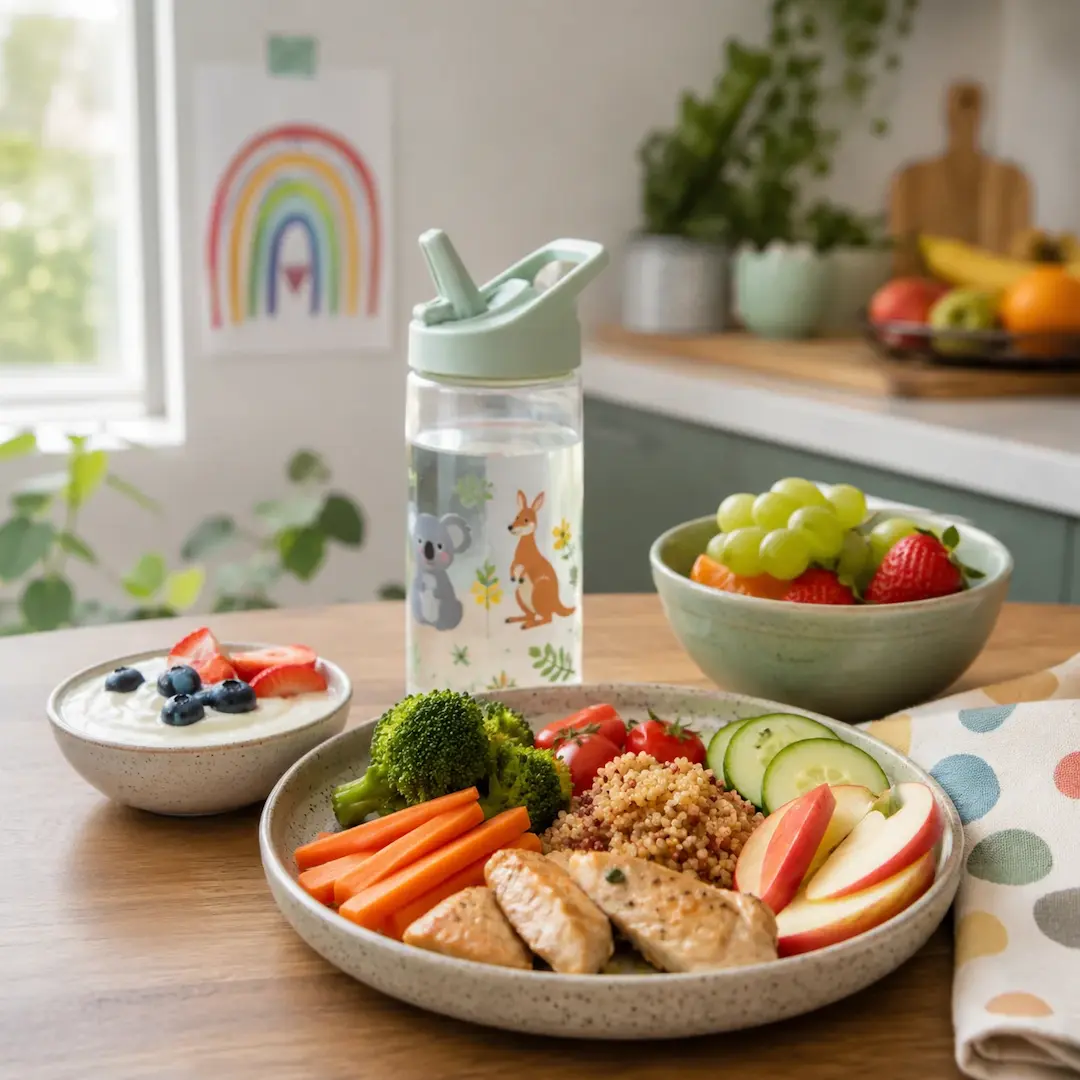
A good place to start is with the five food groups that form the basis of a healthy diet. These groups are vegetables and legumes or beans, fruit, grain foods, lean meats and alternatives, and dairy and alternatives. Each group gives children different nutrients they need for growth, learning, and everyday health.
Vegetables provide vitamins, minerals, and fibre. Fruit offers natural sweetness along with key nutrients. Grain foods, especially wholegrain options, give children energy to play and focus. Lean meats, eggs, tofu, beans, and lentils help with growth and muscle development. Dairy foods such as milk, yoghurt, and cheese support strong bones and teeth because they contain calcium and protein.
The aim is variety across the week, not perfection at every meal. A child might eat more vegetables one day and less the next. That is normal. What matters most is that healthy options are offered often and in different forms. A child who does not like steamed broccoli may enjoy it roasted, blended into pasta sauce, or served with a dip.
Parents who want a clear guide can refer to the Australian Government’s dietary advice through the Australian Dietary Guidelines. These guidelines can help families understand what balanced eating looks like at each stage of childhood.
Parental Role Modeling
Children learn a great deal by watching the adults around them. That includes how adults talk about food, how they react to mealtimes, and what they choose to eat. If children regularly see parents enjoying vegetables, drinking water, and sitting down for meals, those habits begin to feel normal.
Role modeling does not mean being perfect. It means showing a healthy and relaxed attitude toward food. When parents eat a range of foods without labeling them as “good” or “bad,” children are more likely to develop a balanced mindset too. Comments about dieting, guilt, or needing to “earn” treats can make food feel confusing or stressful.
Simple actions often have the biggest impact. Let your child see you try new foods. Talk about what you enjoy in a positive way. Serve the same family meal when possible, with small adjustments for age and ability. If your child sees healthy eating as part of everyday life rather than a rule, they are more likely to accept it over time.
Establishing Routines
Children usually do best with predictable routines. Regular meal and snack times help them understand when food is coming and give their bodies a chance to build natural hunger and fullness patterns. Without a routine, children may graze all day, which can make them less interested in proper meals.
A simple structure might include breakfast, morning tea, lunch, afternoon tea, and dinner. Between those times, it helps to limit constant snacking and sugary drinks. This gives children time to become hungry enough to eat well at the next meal. It also reduces mealtime battles caused by a child filling up on snack foods just before dinner.
Routine also supports calmer eating. When children sit at a table, away from screens and distractions, they are more likely to notice the taste, smell, and texture of food. They can focus on eating and on spending time with the people around them. This makes mealtimes more enjoyable and less rushed.
At Children’s Choice, structured daily routines help children feel secure and confident. The same idea applies at home. A steady rhythm around meals can make healthy eating feel easier for both children and parents.
Empowering Children to Listen to Their Bodies
It can be hard for parents to stay calm when a child eats very little. Many adults worry that a skipped meal means a child is not getting enough nutrition. In most cases, though, children are quite good at listening to their hunger and fullness cues when they are given the chance.
A helpful approach is to divide responsibility. Parents decide what food is offered, when it is offered, and where it is served. Children decide whether to eat and how much. This creates a healthy balance. It supports parental guidance without forcing a child to eat beyond their appetite.
Pressure can backfire. Asking for “just three more bites” or insisting a plate be finished may teach children to ignore their body signals. Over time, that can make eating feel stressful rather than natural. Instead, invite children to listen to their tummy and stop when they feel full. If they eat very little, stay calm and trust the next planned meal or snack.
This kind of approach helps children build confidence around food. It also lowers tension at the table, which often improves eating habits in the long run.
Promoting Water as the Primary Beverage
Water should be the main drink for growing children throughout the day. It keeps them hydrated without added sugar and supports concentration, digestion, and physical activity. Making water the easiest option is one of the simplest and most effective steps parents can take.
Juice, cordial, flavored milk, and soft drinks can quickly add extra sugar to a child’s diet. Even drinks that seem healthy may not be the best everyday choice. Children often do not need sweet drinks, especially when water and milk are available.
Try keeping a water bottle within reach at home, in the car, or during outings. Serve water with meals and snacks so it becomes part of the routine. Some children enjoy drinking more when they have a cup or bottle they chose themselves.
For practical health advice on children’s nutrition and hydration, parents can explore Healthdirect Australia’s healthy eating for children. Trusted information can make it easier to sort through mixed messages and focus on what truly supports children’s health.
Family Meals and Connection
Family meals offer more than nutrition. They create a chance to connect, talk, and slow down together. Even a few shared meals each week can help children feel included and secure. These moments also give parents a natural way to model healthy eating habits.
During shared meals, children hear conversation, learn turn-taking, and see how food is enjoyed in a social setting. They may be more willing to try a new food when they see others eating it too. A calm and friendly mealtime atmosphere can shape a child’s relationship with food in a positive way.
Family meals do not need to be formal or long. They can be simple, practical, and flexible. What matters most is the sense of connection. If evenings are busy, breakfast or a weekend lunch may work better. Consistency matters more than perfection.
It can also help to involve children in small mealtime tasks. They might rinse fruit, stir ingredients, place napkins on the table, or help pack lunchboxes. These jobs build interest and confidence. Children are often more open to foods they have helped prepare.
Balancing Nutrition with Physical Activity
Healthy eating works best alongside active play and movement. Children need both good nutrition and regular physical activity to support growth, sleep, mood, and overall wellbeing. When children move their bodies often, they also develop motor skills, coordination, and a healthy appetite.
Physical activity does not need to be complicated. For young children, it may mean running outdoors, climbing, dancing, riding a scooter, or playing at the park. The key is to make movement part of daily life. Less time sitting and more time playing can support both physical and emotional health.
Parents can use trusted national advice to guide daily habits. The Australian Government provides helpful recommendations through the 24-Hour Movement Guidelines for the Early Years. These guidelines look at physical activity, sedentary time, and sleep as parts of one healthy picture.
Nutrition and movement are not separate goals. They work together. A child who eats well, drinks enough water, and has plenty of active play is more likely to have steady energy and feel ready for learning and social connection.
Addressing Unique Dietary Needs
Not every child can eat the same way. Some children have allergies, intolerances, sensory sensitivities, or medical conditions that affect food choices. Others may need extra support because they are very selective eaters. In these cases, it is important to stay thoughtful and informed.
If a parent suspects a food allergy or ongoing feeding concern, professional advice is the safest next step. Removing major food groups without support can make it harder for a child to get the nutrients they need. A GP, accredited practising dietitian, or other qualified health professional can help families create a plan that is safe and balanced.
For broader health advice and services in Australia, families can also use the Department of Health, Disability and Ageing as a reliable source of information. The right support can reduce stress and help parents feel more confident about meeting their child’s needs.
Children with unique dietary needs can still develop a healthy relationship with food. The focus may simply need to shift from variety alone to safety, comfort, and gradual progress.
Conclusion
Healthy eating habits for growing children in Australia are built over time. They grow from simple routines, balanced meals, positive role modeling, and a calm approach to appetite. When children are offered a range of nutritious foods, encouraged to drink water, included in family meals, and supported in active daily play, they have a strong foundation for lifelong health.
Parents do not need to get everything right every day. Small, steady actions matter most. Offering vegetables often, sitting down together when possible, and respecting a child’s hunger cues can all make a real difference.
At Children’s Choice, we believe healthy habits are shaped through care, consistency, and positive everyday experiences. Our supportive environment helps children build confidence, independence, and wellbeing in ways that fit their stage of development. If you would like to learn more about how Children’s Choice supports growing families, explore our services and discover how we help children thrive every day.
Frequently Asked Questions
What are healthy eating habits for growing children in Australia?
Healthy eating habits include offering a variety of foods from the five food groups, serving regular meals and snacks, encouraging water as the main drink, and creating a calm, positive mealtime environment. The goal is to support growth, energy, learning, and long-term wellbeing.
How can I get my child to eat more vegetables?
Keep offering vegetables in different ways without pressure. Some children prefer raw vegetables, while others enjoy them roasted, mashed, or mixed into familiar meals like pasta or soups. Repeated exposure, role modeling, and involving your child in food preparation can also help.
How often should children eat during the day?
Most children do well with a routine of three meals and two to three healthy snacks each day, depending on their age and activity level. Predictable meal and snack times help regulate hunger and reduce constant grazing.
What should my child drink throughout the day?
Water should be the main drink throughout the day. Milk can also be part of a balanced diet, depending on your child’s age and needs. Sugary drinks like soft drinks, cordial, and juice are best limited.
Is it normal for children to be picky eaters?
Yes, picky eating is common during childhood. Food preferences often change as children grow and develop. Staying calm, serving a variety of foods, and avoiding pressure can help children become more comfortable with new foods over time.
Should I make my child finish everything on their plate?
No, it is usually better to let children listen to their own hunger and fullness cues. Parents can decide what food is offered and when, while children decide how much they want to eat. This supports a healthier relationship with food.
When should I seek help for my child’s eating habits?
You should speak with a GP or qualified dietitian if your child avoids entire food groups, has signs of a food allergy, struggles with chewing or swallowing, has very limited food intake, or if you are concerned about growth and nutrition. Early support can make a big difference.