Dropping your child off at an early learning centre can bring mixed feelings. You want them to feel safe, seen, and supported, but you also want to know they are learning and growing each day. One factor shapes all of that more than many parents realize: educator consistency.
When children see familiar educators each day, they build trust faster, settle more easily, and engage more deeply in learning. In this blog, we’ll look at why educator consistency matters in early learning centres, how it supports emotional wellbeing and school readiness, and why it makes such a difference for families choosing a centre like Children’s Choice.
Building Trust Through Emotional Security
For many parents, the clearest sign of a good early learning experience is a calm drop-off. When a child is greeted by a familiar educator who knows their name, their routine, and what helps them settle, the day starts on stronger footing.
That sense of emotional safety matters. Young children are still learning how the world works. They look to trusted adults for cues about whether a space feels safe, predictable, and welcoming. When the same educators are present regularly, children are more likely to form secure attachments. These relationships help them manage separation, express feelings, and feel confident enough to explore their environment.
This isn’t just a comforting idea. It aligns with what the Australian Children’s Education and Care Quality Authority says about supportive, responsive relationships being central to quality early childhood education. You can learn more through ACECQA’s guidance on relationships with children.
Here’s the key reason this matters: children learn best when they feel safe first. If a child is anxious, unsettled, or unsure about the adults around them, much of their energy goes into coping. But when they trust their educators, that energy can shift into play, language, social interaction, and discovery.
At Children’s Choice, educator consistency helps create that stable emotional base. Familiar faces are not just nice to have. They are part of what helps children feel secure enough to thrive.
The Transactional Nature of Early Development
Children do not develop in isolation. Their growth is shaped moment by moment through interactions with the adults around them. This is often called the transactional nature of development. In simple terms, children respond to adults, and adults respond back. Over time, those repeated exchanges shape learning, behavior, confidence, and communication.
You can see this in everyday moments. A toddler points to a bird outside. A familiar educator notices, names it, and expands on the moment: “Yes, that’s a bird. It’s flying to the tree.” That quick exchange builds language, attention, and connection. If those interactions happen consistently with educators who know the child well, learning becomes richer and more personal.
Consistent educators provide reliable responses. Children begin to understand what to expect. They learn that their feelings will be noticed, their efforts will be encouraged, and their behavior will be guided in steady ways. This helps them make sense of social rules and build trust in the people teaching them.
The Queensland Department of Education highlights the importance of early childhood experiences in shaping learning and development. Their information on early childhood education and care gives helpful context for families exploring quality early learning options.
If you’re choosing a centre, this is a useful checkpoint: ask how often children are cared for by the same educators. Consistency is not just about staffing. It affects how your child learns to communicate, self-regulate, and connect with others.
At Children’s Choice, stable educator relationships support these daily back-and-forth moments that drive development. Over time, those moments add up in powerful ways.
Deepening the Play-Based Learning Journey
Parents often hear about play-based learning, but not everyone sees how much educator consistency shapes its success. Play-based learning is not random free time. Done well, it is intentional, responsive, and built over time.
Imagine your child starts exploring water play on Monday, experiments with pouring and measuring on Tuesday, and then uses new words like “full,” “empty,” and “overflow” by Wednesday. That kind of learning progression is easier when the same educators are there to notice interests, extend ideas, and plan the next step.
A consistent teaching team gets to know each child’s learning style. They know who needs time before joining a group activity, who loves hands-on problem-solving, and who is ready for more challenge. Because of that knowledge, they can tailor experiences that match each child’s developmental stage and interests.
This is where continuity becomes practical. An educator who has seen your child’s confidence grow over weeks or months can make better decisions about how to support their next milestone. They can revisit unfinished ideas, connect past experiences to new ones, and build learning in ways that feel natural rather than forced.
The Australian Government’s StartingBlocks guide to play-based learning explains how play helps children develop language, thinking, creativity, and social skills. Consistent educators make that approach stronger because they can build on what happened yesterday, not start from scratch each day.
For families, this means learning feels more joined up. Instead of isolated activities, children experience a steady journey. At Children’s Choice, that continuity helps turn daily play into meaningful progress toward school readiness and lifelong learning habits.
How Structure and Routine Foster Independence
Consistency is not only about people. It also includes routine, rhythm, and the way each day flows. Young children feel more confident when they know what comes next.
Predictable routines reduce stress. They help children move through the day with less uncertainty, whether that means arriving in the morning, washing hands before lunch, packing away after play, or settling for rest time. When the same educators guide these moments, children receive clear and familiar cues. That makes transitions smoother and helps them take more ownership over time.
This matters most during the early years, when independence is still developing. A toddler who knows the lunch routine may begin washing their hands without prompting. A preschooler who understands the group-time rhythm may join more confidently and listen for instructions. These are small wins, but they build important foundations for self-help skills, self-regulation, and classroom readiness.
The routine itself helps, but the familiar educator makes it stick. Children are more likely to follow guidance from adults they know and trust. They also feel more comfortable asking for help when they are unsure.
StartingBlocks offers useful information on routines in early childhood education and care, including how regular rhythms support security and development. The Australian Government also outlines broader expectations around quality care through the National Quality Framework, which emphasizes safe, supportive environments for children.
Here’s the takeaway: structure and routine do not make early learning rigid. When done well, they do the opposite. They give children a steady base, which helps them become more capable, calm, and independent.
At Children’s Choice, familiar routines led by consistent educators help children settle in, participate more fully, and build confidence in everyday tasks.
Strengthening the Parent-Teacher Partnership
Educator consistency does not just help children. It also improves the experience for parents.
When the same educators care for your child regularly, communication becomes more meaningful. You are not getting updates from someone who only met your child that morning. You are hearing from people who know your child’s patterns, preferences, progress, and personality.
That depth matters. A consistent educator can tell you more than whether your child ate lunch or had a good nap. They can explain how your child is building friendships, what types of play they are drawn to, where they are growing in confidence, and what support might help next. Those insights are much more useful when you are trying to understand your child’s development.
It also creates trust. Parents often feel more at ease when they know who is caring for their child and believe those educators understand the whole family, not just the daily schedule. Over time, that relationship becomes a partnership. You can share concerns more openly, celebrate milestones together, and work as a team when challenges come up.
But what if staff changes happen from time to time? Some change is normal in any workplace. What matters is whether a centre values continuity, supports staff wellbeing, and works to keep children’s key relationships as stable as possible. That is often a good sign of the centre’s culture.
At Children’s Choice, low educator turnover supports stronger long-term connections with families. Parents gain peace of mind, and children benefit from adults who know them well and care deeply about their progress.
Why This Matters for School Readiness
School readiness is about much more than letters and numbers. It includes emotional regulation, communication, independence, resilience, and the ability to participate in group learning. Educator consistency supports all of these skills.
A child who feels secure is more likely to try new things. A child who trusts their educator is more likely to ask questions, solve problems, and recover from setbacks. A child who experiences consistent expectations is more likely to understand routines, cooperate with others, and manage transitions.
These are the skills that help children walk into school with confidence.
This is one reason many families look beyond facilities and daily activities when choosing an early learning centre. They want to know whether the environment is stable, whether educators stay long enough to build real relationships, and whether learning is supported by continuity rather than constant change.
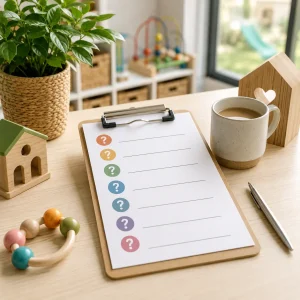
If you are comparing options, try this checklist mindset:
- Are children greeted by familiar educators?
- Do staff seem to know individual children well?
- Is communication with families specific and thoughtful?
- Does the centre talk about relationships, routine, and emotional wellbeing, not just programs?
- Is there evidence of low staff turnover or a focus on educator retention?
These questions can tell you a lot about the quality of care your child is likely to receive.
Conclusion
Educator consistency matters because it shapes how children feel, learn, and grow. Familiar educators help children build emotional security, respond to learning in more personal ways, support stronger routines, and create better partnerships with families.
In early learning centres, consistency is not a small operational detail. It is part of the foundation for quality care and meaningful development. At Children’s Choice, that steady presence helps children feel safe enough to explore, play, connect, and prepare for the next stage of learning.
If you are considering early learning options, look closely at the people your child will see each day. A warm, consistent team can make all the difference.
FAQs
What is educator consistency in early learning centers?
Educator consistency refers to the stability and reliability of having the same educators interact with and care for children regularly, ensuring a predictable and supportive environment.
Why is consistency important for early childhood development?
Consistency helps children feel secure, build trust, and form strong emotional bonds, which are essential for their cognitive, social, and emotional growth.
How does educator consistency affect a child’s learning process?
When children have consistent educators, they experience stability that encourages confidence and engagement, making it easier for them to focus on learning and exploring new skills.
What challenges can arise from inconsistent educators in early learning centers?
An inconsistent presence of educators can lead to feelings of instability, stress, or insecurity in children, potentially impacting their emotional well-being and ability to form strong relationships.
How does educator consistency benefit parents?
Having consistent educators provides parents with peace of mind, knowing that their children are cared for by trusted and familiar individuals who understand their unique needs.
What can early learning centers do to improve educator consistency?
Centers can focus on retaining staff through professional development opportunities, competitive pay, and creating a supportive work environment to ensure long-term commitment.
Can educator consistency impact a child’s transition to school?
Yes, educator consistency can help children develop the foundational social and emotional skills required for smoother transitions to school and other educational settings.