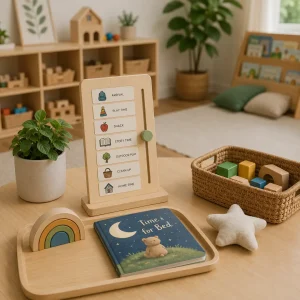
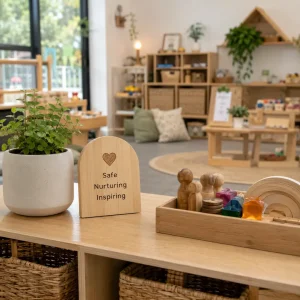
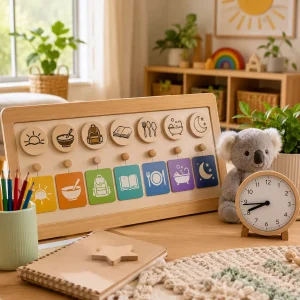
This blog explores the vital role of routines in early childhood development. It details how consistent daily schedules at Children’s Choice provide security, enhance social-emotional growth, and boost cognitive skills. It includes practical advice and FAQs for parents.
This blog explores how Ipswich childcare centres support working families through flexible hours, meals, and education, highlighting Children's Choice.
This blog explores how resilience is built through quality childcare. It defines resilience, highlights the role of educators, and details how Children’s Choice uses relationships and play to support development. Practical tips for parents are included.
Discover the benefits of small-group learning for early childhood development, highlighting personalized attention, enhanced communication, and improved social skills. Learn how Children's Choice integrates this approach to support children's school readiness.
This guide explores how to nurture creativity in children through play-based learning, art, and problem-solving, highlighting Children's Choice's role.
Learn how to transform daily routines into development milestones. This guide explores sensory play, outdoor learning, and how Children's Choice supports growth.
Discover effective strategies to foster problem-solving skills in preschoolers, enhancing their cognitive development and preparing them for future success.
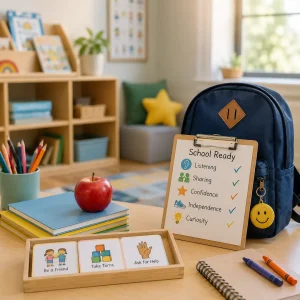
Explore the power of play-based learning in early childhood education and its impact on developing confident, school-ready children. Learn how Children’s Choice childcare centres in Australia are leading the way.
Educator stability is vital for child development. This post explores how consistent care builds trust, brain development, and emotional security at Children's Choice.
Raceview Childcare, operated by Children's Choice, uses nurturing routines and play-based strategies to help children master daily transitions, building confidence and school readiness.
This guide by Children’s Choice explores why routines are essential for children's emotional security and development. It offers Australian parents practical tips for creating consistent daily habits and highlights how quality childcare supports these goals.
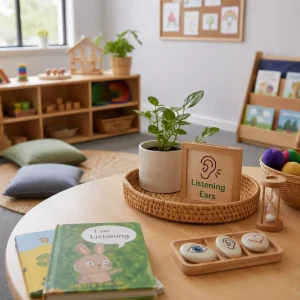
This blog explores how childcare centres support the development of focus and listening skills in young children. It highlights the importance of active listening for academic and social success and details how structured environments and play-based learning at Children’s Choice nurture these abilities..