Watching your child linger at the edge of a group can stir up all kinds of feelings. You may feel proud of their thoughtful nature, but also wonder when they will feel ready to join in. The good news is that this is a normal part of early childhood. In fact, how group learning helps children build social confidence often starts in these quiet moments. With the right support, children learn that being part of a group can feel safe, enjoyable, and rewarding.
Group learning gives children a steady, low-pressure way to practice social skills in real time. Instead of being told what to do in theory, they get to try, pause, observe, and try again. Over time, those small moments of participation can build into stronger confidence, better emotional awareness, and a greater sense of belonging.
The Quiet Beginnings of Social Skill
Social confidence does not usually appear all at once. It often begins with watching, listening, and slowly joining in. A child may first sit nearby during group play, then hand over a toy, then say a few words, and later become an active part of the activity. These early steps matter.
In group learning settings, children begin to learn the basics of being with others. They practice taking turns, sharing space, asking for what they need, and responding to the ideas of other children. These are not skills most children master from a single reminder. They grow through repetition and real-life experience.
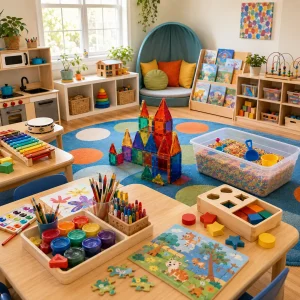
Play-based learning is especially helpful because it keeps these lessons natural. Children are more likely to engage when social learning happens through games, stories, music, art, and imaginative play. The Australian Government Department of Education’s early childhood education information also highlights the importance of quality early learning in supporting development across many areas, including communication and relationships.
When children are given time to build these skills at their own pace, they start to feel more capable. That sense of capability is one of the roots of social confidence.
Navigating Big Feelings Together
Group settings bring children into close contact with other people’s needs, ideas, and emotions. That can be joyful, but it can also be hard. A child may feel excited when someone wants to play the same game, then upset a few minutes later when that game changes or a tower falls over. These moments are a normal part of learning.
Supportive educators play a key role here. They help children name feelings, notice facial expressions, and use simple words to work through social tension. A child might hear phrases like, “You look frustrated,” or “Let’s tell your friend you’re still using that.” These calm, steady responses help children connect feelings with language.
Over time, children begin to read social cues more clearly. They learn that someone who looks upset may need comfort, and that a disagreement does not mean the end of a friendship. They also start to understand that their own feelings can be managed, even when things do not go their way.
These experiences build emotional regulation, which strongly supports confidence. A child who has learned they can recover from disappointment, solve a small problem, or try again after a tough moment often feels more secure in future social situations.
Building Real-World Skills Through Shared Experiences
Group learning also helps children develop practical life skills that go far beyond the classroom. When children work together on a project or game, they need to communicate clearly, wait for turns, follow a loose plan, and adapt when something changes.
Imagine a few children building a sandcastle together. One wants a tall tower. Another wants a moat. A third accidentally knocks part of it down. In that one activity, children may need to negotiate, listen, problem-solve, and manage frustration. These are real social and cognitive tasks, even if they look simple from the outside.
Shared experiences like these teach children how to be flexible. They begin to see that other people may think differently, and that working together often means adjusting their own ideas. This supports both resilience and empathy.
Quality early learning environments are designed to encourage this kind of growth. The Australian Children’s Education & Care Quality Authority (ACECQA) provides guidance around the National Quality Framework, which supports children’s wellbeing, relationships, and learning through high-quality education and care settings.
When children have regular chances to cooperate, contribute, and recover from small setbacks, they build confidence that carries into everyday life.
Supporting Anxious and Hesitant Children
Not every child walks into a group setting with ease. Some children need more time to warm up. Others may feel overwhelmed by noise, transitions, or unfamiliar faces. This can make parents worry that group learning may be too much, too soon.
In the right environment, though, group learning does not have to feel forced. A strengths-based approach recognises that children have different temperaments, communication styles, and comfort levels. Rather than pushing children to be loud or outgoing, good educators create space for safe participation.
That might mean inviting a child to join a small activity instead of a large one. It might mean letting them observe before taking part. It might also mean pairing them with a familiar educator or a calm peer. These thoughtful choices can make a big difference.
Smaller group interactions often help children feel less alone. They see that other children also hesitate, make mistakes, or need support. That shared experience can be reassuring. It teaches them that they do not need to perform perfectly to belong.
The Australian Government’s Be You initiative offers valuable mental health and wellbeing resources for educators and early learning communities, with a strong focus on helping children feel safe, supported, and understood. This kind of emotional safety is often what allows hesitant children to slowly build trust in group spaces.
Bringing Social Confidence Home
One of the most encouraging things about social learning is that it rarely stays in one place. The skills children practice in group settings often begin to show up at home in meaningful ways.
A child who has learned to wait for a turn at group time may become more patient with a sibling. A child who has practiced saying, “Can I have a turn next?” may start using clearer words instead of becoming upset right away. A child who has spent time in conversations with peers may also grow in vocabulary and become better at expressing needs, preferences, and emotions.
These shifts can make home life feel calmer and more connected. Parents may notice fewer conflicts, smoother routines, or more thoughtful interactions during play. Progress is not always dramatic, but it is often steady.
Social confidence also supports independence. Children who feel more secure in relationships are often more willing to try new things, speak up when they need help, and cope with everyday changes. That confidence can support school readiness and help children feel more prepared for broader social environments.
For families who want to learn more about child development and wellbeing, the Australian Institute of Family Studies offers a wide range of government-backed resources on children, families, and early development.
Choosing the Right Environment for Your Child
Not all group learning environments feel the same, and the right fit matters. If you are considering an early learning program, it helps to look beyond the activity schedule and focus on how children are supported throughout the day.
Observe the group size and the overall atmosphere. Do children seem relaxed and engaged? Do educators speak with warmth and patience? When conflict happens, do adults guide children gently instead of reacting harshly? These details can tell you a great deal about the emotional climate of a program.
It is also worth asking how the setting supports children with different needs and personalities. A strong program will value each child as an individual. It will make room for quiet children, active children, cautious children, and those still learning how to connect with others.
At Children’s Choice, this kind of support is at the heart of the learning environment. Families want to know their children are not only safe, but also known, respected, and encouraged. When educators take the time to build trust and foster emotional wellbeing, children are more likely to develop the confidence to join in, build friendships, and enjoy learning with others.
The best environment is one where your child can grow at their own pace while feeling accepted for who they are right now.
Conclusion
Social confidence is not about having the loudest voice in the room. It is about helping children feel secure enough to connect, communicate, and take part in shared experiences. That growth often happens slowly, through play, repetition, guidance, and caring relationships.
Group learning gives children a powerful place to practice these skills. They learn how to take turns, manage emotions, solve problems, and build trust with others. They also discover that they can handle social challenges and still feel safe and supported.
Every child’s path will look a little different. Some jump in quickly. Others take their time. Both are valid. With a nurturing environment and thoughtful educators, children can build the kind of social confidence that supports them at home, in care, and later at school.
If you are exploring early learning options, Children’s Choice can offer a supportive place for your child to grow, connect, and thrive.
FAQs
What is group learning?
Group learning is an educational approach where children work collaboratively in small or large groups to achieve common learning objectives, fostering teamwork and communication.
How does group learning benefit children socially?
Group learning encourages interaction with peers, allowing children to develop important social skills like active listening, empathy, and effective communication.
Does group learning improve confidence?
Yes, group learning helps children build confidence by creating opportunities for them to express their ideas, take on roles, and contribute to team success in a supportive environment.
Can group learning help shy or introverted children?
Absolutely. Group learning can provide a safe space for shy or introverted children to engage at their own pace, gradually building their social confidence through positive interactions.
What role does a teacher or facilitator play in group learning?
Teachers or facilitators guide the process, ensure inclusivity, and foster collaboration, which helps create a supportive atmosphere that encourages social growth and teamwork.
What types of activities support group learning?
Activities like group projects, discussions, role-playing, and team-building exercises are excellent for promoting collaboration and social skill development in group learning settings.
How can parents support group learning at home?
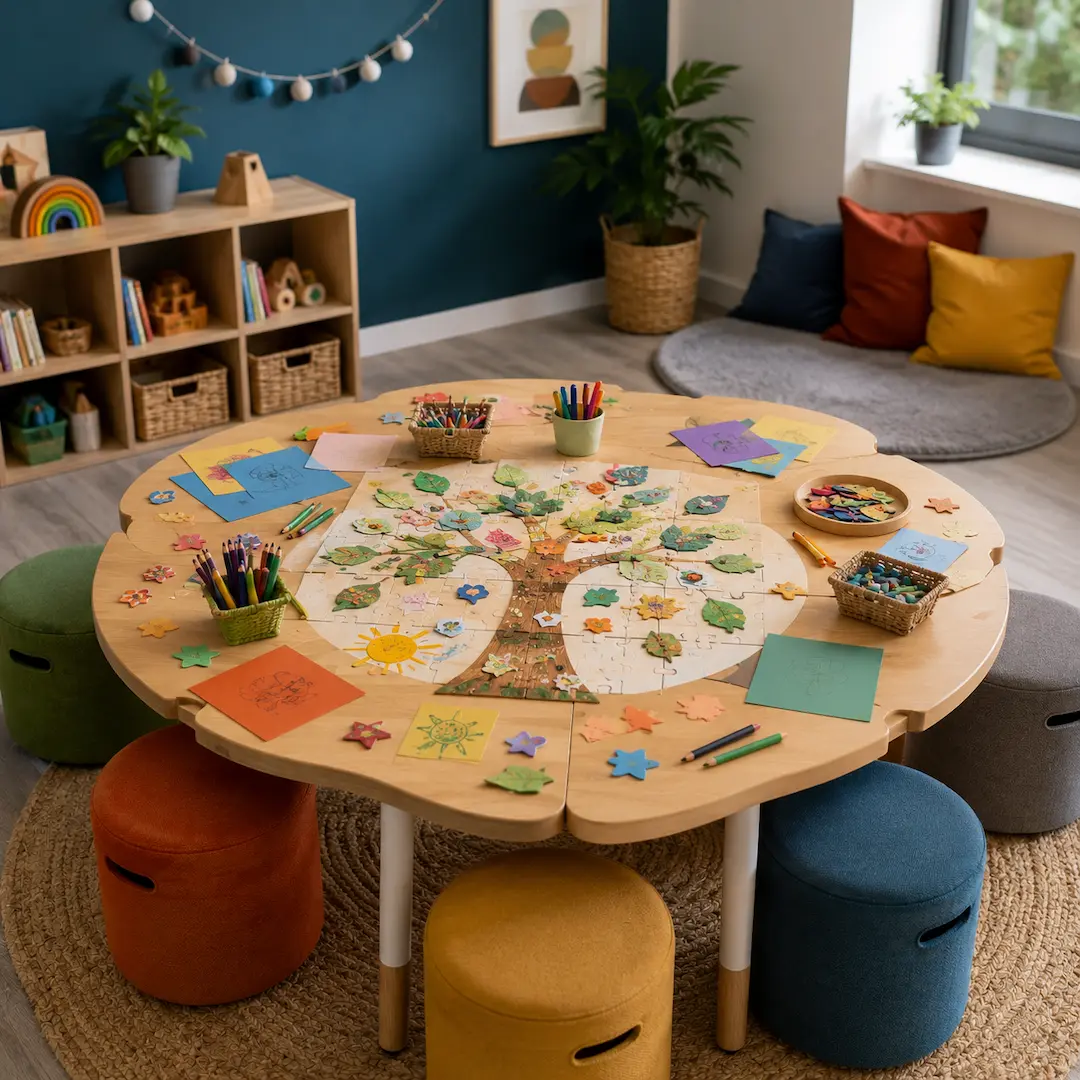
Parents can encourage group learning by arranging playdates, collaborative art projects, or games that involve teamwork, helping to reinforce social confidence in an at-home environment.