Have you ever watched your child squish mud between their fingers, splash happily in a puddle, or stare mesmerized at a glitter jar? While it might look like messy fun (and sometimes it certainly is!), these moments are actually powerful learning experiences. This is sensory play in action, and it is a vital part of your child’s early development.
At Children’s Choice, we believe that play is the work of childhood. Through safe, nurturing environments and play-based learning, we see firsthand how sensory experiences help children make sense of the world around them. Whether you are looking for activities to do at home or seeking a childcare centre that prioritizes development, understanding sensory play is a great first step.
In this guide, we will explore why sensory play matters, the different types of senses involved, and simple, engaging activities you can try with your little ones right here in Australia.
What is Sensory Play?
Put simply, sensory play includes any activity that stimulates your child’s senses. Most of us are familiar with the five main senses: touch, sight, sound, smell, and taste. However, sensory play also engages less obvious senses, such as movement (vestibular), balance, and spatial awareness (proprioception).
From birth, children use their senses to explore. They turn toward sounds, put objects in their mouths, and reach out to touch interesting textures. Sensory play encourages this natural curiosity. It isn’t just about making a mess; it is about providing opportunities for children to investigate, experiment, and learn through direct experience.
Benefits of Sensory Play
Engaging in sensory activities does more than just keep children occupied. It supports holistic growth in several key areas:
Boosts Early Brain Development
Every time your child engages their senses, they are building nerve connections in the brain’s pathways. These connections are the architecture for future learning, supporting the ability to complete complex tasks later in life.
Enhances Cognitive Growth
Sensory play supports problem-solving and decision-making. When a child pours water from one cup to another, they are learning about volume and cause-and-effect. It also supports language development as they learn new words to describe what they are feeling, seeing, and doing (e.g., “slimey,” “cold,” “loud”).
Supports Emotional Well-being
Sensory activities can be incredibly calming. For an overstimulated or anxious child, playing with water, sand, or playdough can help regulate their nervous system. It encourages emotional exploration and provides a safe outlet for expression.
Promotes Creativity and Imagination
There is no “right” way to play with sensory materials. This open-ended nature encourages children to use their imagination. A tub of rice can become a construction site, a bakery, or a buried treasure island depending on the day.
Develops Fine Motor Skills
Many sensory activities involve scooping, pouring, pinching, and squeezing. These small movements strengthen the muscles in the hands and fingers, which are essential for later skills like writing, buttoning clothes, and using scissors.
Types of Sensory Play
To support a well-rounded developmental experience, it helps to offer a variety of sensory inputs. Here are the main types to consider:
- Tactile Play: This focuses on touch. It involves exploring textures, temperatures, and pressure. Think playing with slime, feeling different fabrics, or finger painting.
- Vestibular Sensory Play: This relates to movement and balance. Activities like swinging, rolling, jumping, and hanging upside down stimulate the vestibular system in the inner ear.
- Proprioception Sensory Play: This is about body awareness. “Heavy work” activities like pushing a wagon, carrying heavy blocks, or jumping on a trampoline help children understand where their body is in space.
- Auditory Sensory Play: This focuses on sound. Making music with pots and pans, listening to birds, or playing with shakers helps differentiate sounds.
- Visual Sensory Play: This involves sight. It includes exploring colours, light and shadow, patterns, and shapes.
- Olfactory (Smell) and Gustatory (Taste) Play: This explores scents and flavours. Cooking together or smelling herbs in the garden are great examples.
Sensory Play Activities for Australian Kids
You don’t need expensive toys to create rich sensory experiences. Here are some simple, fun ideas using items you likely have at home or can find in your local Australian environment:
Beach Sensory Bin
If you can’t get to the coast, bring the beach to your backyard. Fill a plastic tub with sand, water, and sea shells. Add small scoops and plastic marine animals. This creates a wonderful tactile experience.
Nature Walk
Take advantage of our beautiful parks and bushland. Go for a walk and encourage your child to collect different items,crunchy gum nuts, smooth river stones, or textured leaves. This combines tactile, visual, and auditory experiences.
Edible Sensory Play
For babies and toddlers who still put everything in their mouths, edible play is safest. Try creating “mud” using cocoa powder and water, or let them squish cooked spaghetti. It’s messy, tasty fun!
Water Play
On a hot Aussie afternoon, nothing beats water play. Set up buckets, sponges, funnels, and measuring cups. Add a few drops of blue food colouring or some tear-free bubbles to change the visual and tactile experience.
Playdough with a Twist
Making playdough is a classic activity. Enhance it by adding natural scents like lemon myrtle or eucalyptus oil (ensure it is skin-safe/diluted), or mix in textured elements like rice or sand for a different feel.
Incorporating Sensory Play at Home
Integrating sensory play into your routine doesn’t have to be complicated.
Create a Sensory Bin
Keep a sturdy plastic storage tub handy. You can rotate the “base” material weekly,try dry pasta, coloured rice, shredded paper, or water. Add kitchen utensils like tongs and ladles for tools.
Designate a Play Area
Sensory play can get messy, so pick a spot where spills are okay. An outdoor patio, a tiled kitchen floor, or even the bathtub are great options. Using a drop sheet can make clean-up much easier.
Engage with Your Child
While independent play is great, your involvement adds value. Ask open-ended questions like, “How does that feel?” or “What happens if we mix these two together?” This builds vocabulary and connection.
Children’s Choice: Supporting Sensory Development
At Children’s Choice, we understand that every child learns differently. That is why our programs are designed to be flexible and responsive to the children’s interests. We integrate sensory play deeply into our daily rhythm because we know it supports school readiness and overall development.
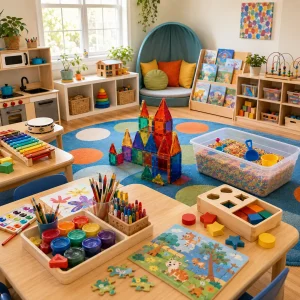
Our safe, nurturing childcare environments provide diverse opportunities for children to explore textures, sounds, and movements. From sandpits and water troughs to quiet corners with soft fabrics and light boxes, we ensure every child has the space to explore their senses at their own pace.
Finding the Best Childcare Centre for Your Family
Choosing a childcare provider is one of the biggest decisions a parent makes. When touring a centre, look for environments that encourage exploration. Are there different textures available? Is there space for messy play? Does the environment feel calm and inviting?
If you are looking for the best childcare centre Raceview has to offer, or perhaps the best childcare centre Raceview families trust, we invite you to visit us. We pride ourselves on being a leading childcare centre Raceview parents recommend for our commitment to play-based learning.
Whether you are searching for the best childcare centre Ipswich wide or specifically in our local suburbs, looking for a team that values sensory development is key to finding a supportive early learning home for your child.
Children’s Choice: Your Partner in Early Learning
Sensory play is a joyful, essential part of childhood. It builds brains, bodies, and confidence. By encouraging these messy, magical moments at home and choosing a childcare provider that values them too, you are giving your child a wonderful foundation for life.
At Children’s Choice, we are here to support you on this journey. If you have questions about our programs or want to see sensory play in action, reach out to us today.
Frequently Asked Questions (FAQs)
What is sensory play and why is it important for my child?
Sensory play involves any activity that stimulates a child’s senses, including touch, smell, taste, sight, and hearing, as well as balance and body awareness. It is crucial because it helps build nerve connections in the brain. This supports cognitive growth, language development, fine motor skills, and emotional regulation. At Children’s Choice, we incorporate sensory play daily to support holistic child development and help children make sense of their world.
How does sensory play help with school readiness?
Sensory play builds the foundational skills needed for school. For example, squeezing playdough strengthens the hand muscles required for holding a pencil (fine motor skills). Pouring water helps with early math concepts like volume and capacity. Additionally, sensory activities help children learn to self-regulate their emotions and follow instructions, which are vital social skills for the classroom.
Is sensory play suitable for babies?
Yes, absolutely! Babies are natural sensory learners. Simple activities like tummy time on different textured blankets, playing with water during bath time, or shaking rattles are forms of sensory play. Always ensure activities are age-appropriate and supervised to avoid choking hazards. Our nursery programs are designed to provide gentle, safe sensory experiences for our youngest learners.
How can I make sensory play less messy at home?
We know mess can be stressful! To manage it, try taking sensory activities outside where you can easily hose down the area. If playing inside, use a large plastic tub to contain materials and place a towel or shower curtain underneath. Start with “dry” sensory bases like large blocks, fabric scraps, or large pasta shapes before moving on to wetter, messier options like water or paint.
What makes a centre the leading childcare centre Raceview has for sensory programs?
A leading centre will have dedicated spaces and resources for sensory exploration, integrated into a play-based curriculum. When looking for the leading childcare centre Raceview offers, look for educators who actively facilitate these experiences rather than just setting out toys. They should be asking questions, encouraging curiosity, and ensuring the environment is safe and nurturing, just like we do at Children’s Choice.